
AI models quickly lose their value when they remain unchanged in an ever-changing world. Generative AI continues to progress and changes from traditional static systems to dynamic models that learn and adapt continuously.
The tech world stands at the beginning of a transformation from building static AI tools to nurturing dynamic AI learners. Generative AI has started taking a new shape. Self-improving generative AI makes systems smarter, faster, and more affordable to maintain instead of staying fixed after the original training. These advanced models learn independently from feedback and experiences. They refine their knowledge and skills without a human engineer rewriting code. On top of that, it promises the most important benefits as they become more accurate and efficient with experience. This reduces the need to get pricey manual re-training.
This piece shows how generative AI works with self-improving capabilities. It explores the mechanics behind these autonomous systems. Reinforcement learning and meta-learning to evolutionary algorithms help us analyse the methods. These enable generative AI solutions to spot and fix weaknesses in their decision-making processes. Organisations can now implement more adaptive and affordable generative AI applications that progress with changing business needs.
Why Static Generative AI Models Fall Short
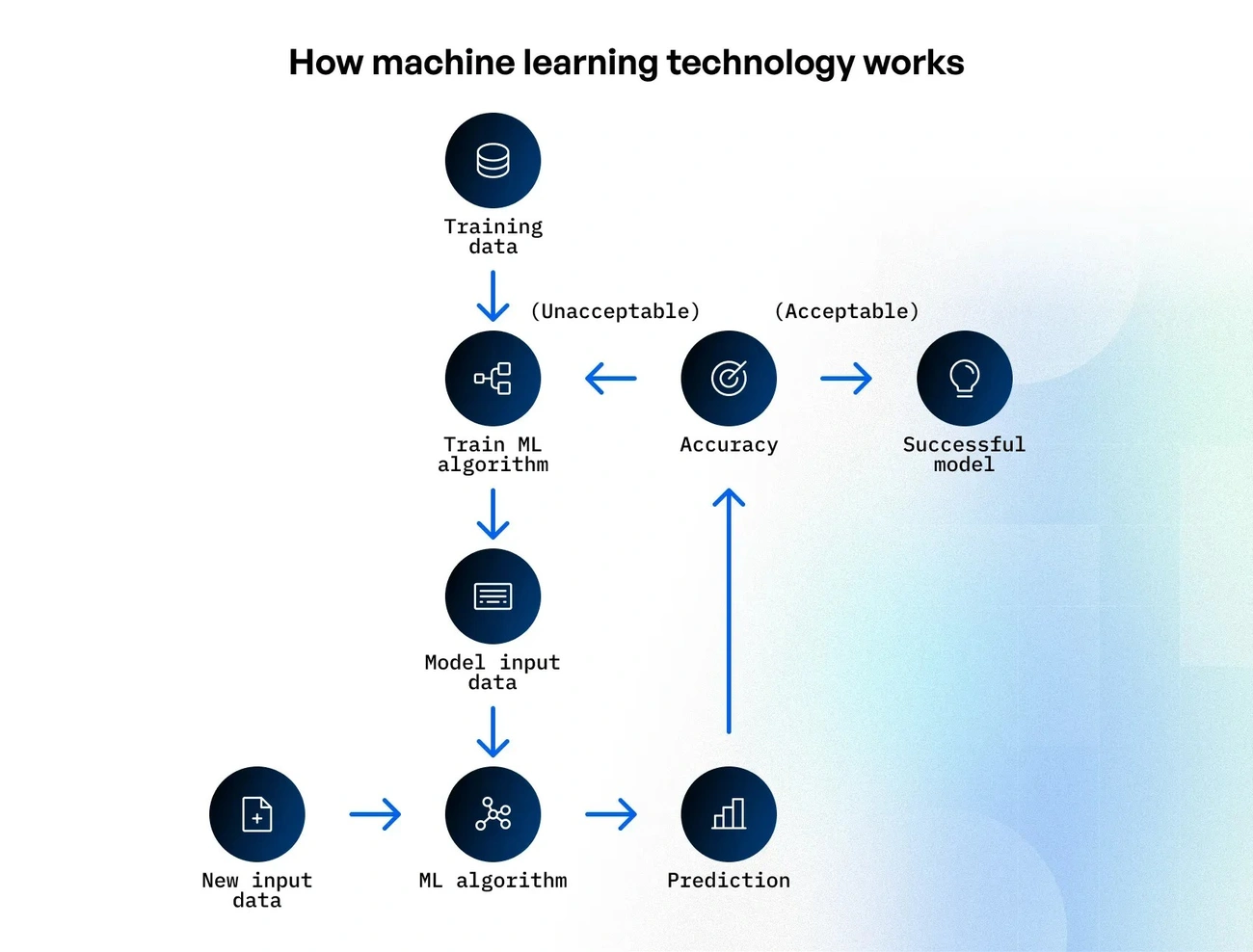
Image Source: WL
Traditional generative AI models work like snapshots frozen in time. Humans adapt continuously to changing environments, but these models stay fixed after their original training phase. This creates nowhere near ideal results in real-life applications.
Lack of adaptability in traditional LLMs
Static generative AI relies only on pre-set rules and historical data without knowing how to evolve beyond its original parameters. This biggest problem becomes especially when you have a changing world around these models. These deployed models work under a flawed assumption that their training data will always match real-world conditions. Notwithstanding that, this static nature guides them toward worse performance over time. We noticed this mainly because of two reasons: data drift (when production data changes statistically) and concept drift (when target variable’s statistical properties change). Then, models that showed great results at first start producing less accurate or relevant outputs as conditions change.
Manual retraining cycles and their cost
The cost to update static models has grown exponentially. Training costs for state-of-the-art models like Gemini range between £23.82 million and £151.68 million before adding the core team salaries. These expenses have shot up by over 4300% since 2020. Money isn’t the only concern – the retraining process creates major organisational friction. Teams must coordinate—from data scientists to business stakeholders to engineers—which delays model updates. This complex cycle of waiting for performance to drop before manual fixes becomes harder to maintain as AI systems grow.
Examples of outdated generative AI applications
The most obvious limitation shows up in models with knowledge cutoff dates. To name just one example, an LLM trained on data up to 2020 knows nothing about most important events like COVID-19 developments in 2021 and 2022. These models might give outdated information about vaccination rates or discontinued products. Their extensive training doesn’t help them update their knowledge by themselves, making them unreliable when current information matters. ChatGPT generates varied responses but doesn’t retrain on new information immediately.
Static generative AI’s built-in limitations show we urgently need more adaptable approaches—systems that can evolve faster alongside our changing world.
Self-Improving Models: Learning from Feedback in Real Time
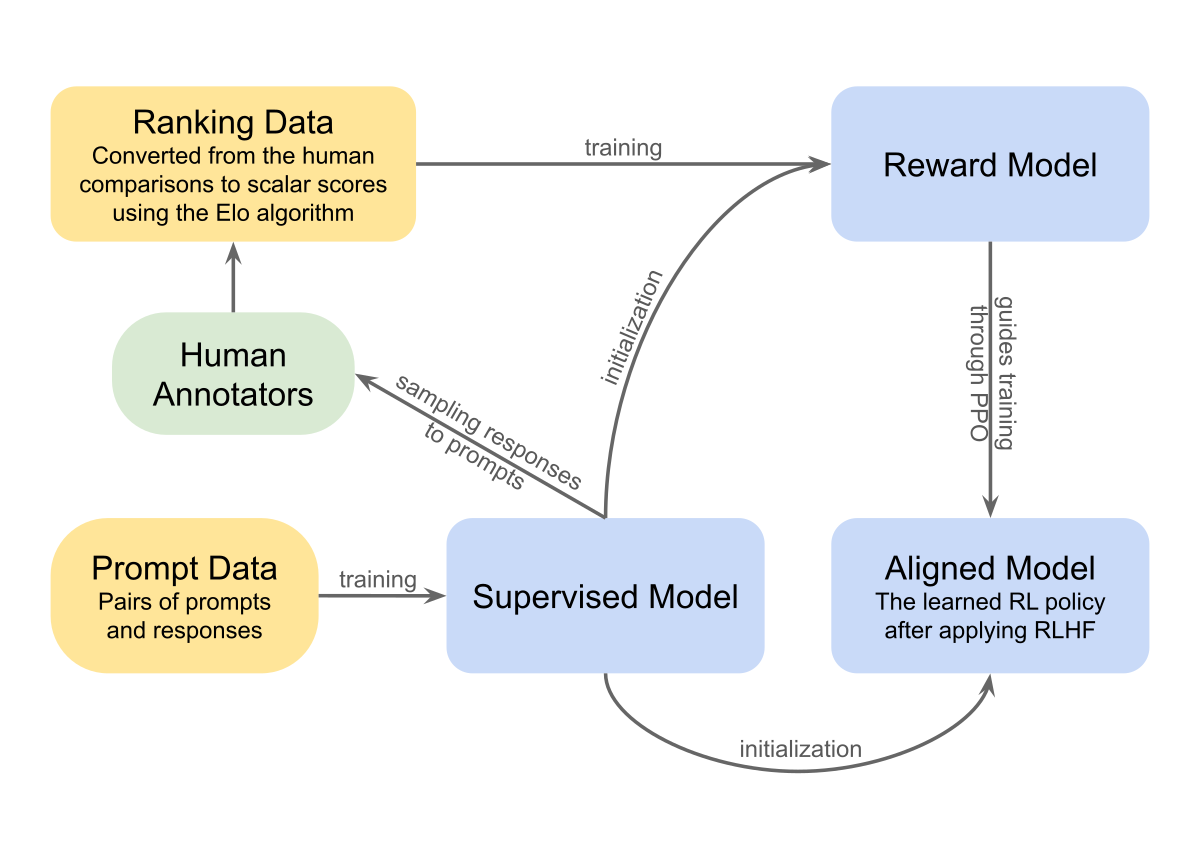
Image Source: SAMW
Self-improving generative AI transforms passive learning systems into active ones. Traditional models stay static after training, but self-improving models evolve with each interaction.
Reinforcement learning for continuous optimisation
Reinforcement learning (RL) is a vital mechanism that drives continuous AI improvement. This approach creates new training signals by developing novel objectives from unused feedback sources. RL performs three main functions: it generates outputs without specified objectives, maximises objective functions during generation, and embeds desired characteristics into the generative process. RL helps solve the biggest problems in traditional generative models, such as a lack of precision, control issues, and personalisation challenges.
Memory-based learning in generative AI
Memory modules revolutionise how generative AI stores and uses knowledge. These systems store context and patterns instead of processing each interaction separately, and apply this knowledge to future tasks. UCL research shows memory-based generative networks can extract conceptual knowledge from experience. This enables them to recall specific experiences and imagine new scenarios flexibly. The networks learn efficient “conceptual” representations that capture meaning rather than storing every detail.
Autonomous retraining triggers and thresholds
Self-improving models track their performance and automatically start updates when accuracy drops below set thresholds. Two approaches to retraining exist: fixed (scheduled cadence) and dynamic (triggered by performance metrics). Prediction drift, performance degradation, feature drift, and embedding drift serve as ideal metrics to trigger retraining. Small software agents monitor performance, prepare data, and execute retraining without human input.
Generative AI examples using self-improvement
Ground applications of self-improving generative AI show remarkable performance gains. MIT researchers developed Self-Adapting Language Models (SEAL) that surpassed GPT-4.1 at knowledge incorporation tasks with only 7 billion parameters. SEAL achieved this success by creating its own training materials and finding the best approach to improve performance. The system reached a 72.5% success rate on abstract reasoning puzzles by learning to generate its own training strategy.
Self-improving generative AI redefines our approach to artificial intelligence. These systems act as continuous learners that grow smarter with each interaction, unlike static models that need periodic updates.
Self-Debugging Capabilities: From Error Detection to Correction
Modern generative AI systems can identify and fix their own mistakes while learning continuously. This self-debugging capability marks a breakthrough in how these systems maintain and improve their performance.
Self-Refine loop: generate, critique, improve
The Self-Refine methodology works just like human editing through a three-step cycle. The model creates its output first. The same model then reviews that output. It refines the response based on its own critique. This approach needs no supervised training data, additional training, or reinforcement learning. The model acts as its own generator, critic, and editor simultaneously. Quality improves with each iteration – to name just one example, code optimisation scores climb from 22.0 at first to 28.8 after three refinement cycles.
Prompt-based self-evaluation techniques
Self-evaluation methods range from simple to complex. Simple techniques ask a model to review its previous answer. More advanced approaches use structured reflection prompting. This technique guides generative AI to analyse its outputs against specific criteria like clarity or factual accuracy. Constitutional AI offers another approach where models examine their responses for harmful content. These evaluations can run multiple times, and each iteration gets checked again for undesirable elements.
Limitations of self-debugging in factual tasks
AI systems face critical limitations. Research shows that AI systems confirm their original responses over 90% of the time whatever their correctness when checking their own reasoning in the same conversation. Experts call this “intrinsic self-correction failure”. Models recognise and prefer their own generations while showing confirmation bias from initial token generation. AI-generated code often contains subtle errors that developers might not spot right away, leading to long debugging sessions.
Tool-Using Models: Expanding Capabilities Beyond Text
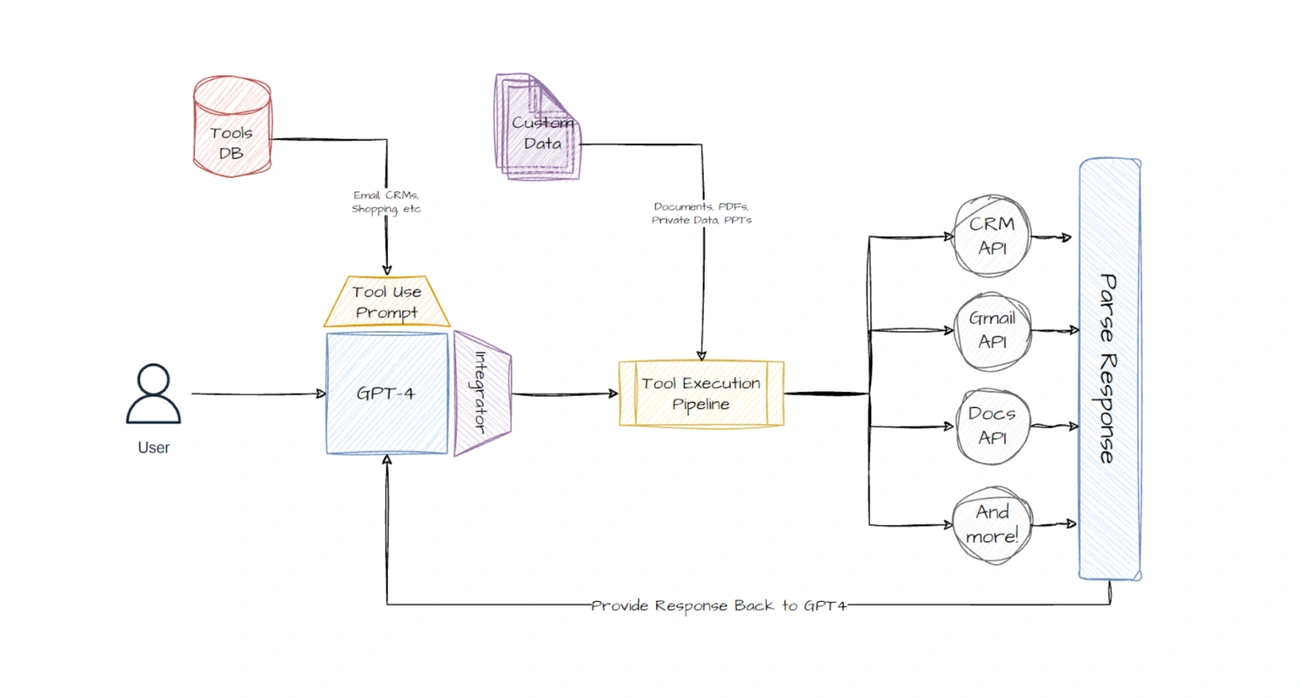
Image Source: QFluence
Modern AI models can now use external tools to improve their capabilities. This transformation extends generative AI beyond simple text generation and creates more versatile systems.
Toolformer and API integration in LLMs
Meta AI Research made a breakthrough in 2023 with Toolformer, which changed how language models interact with external systems. This innovation lets LLMs use simple APIs through a self-supervised process. Toolformer works with calculators and search engines to solve critical problems like factual hallucination and outdated information.
Gorilla models have made API interaction more refined and show better performance in generating accurate API calls. These models use a fine-tuned LLaMA architecture to handle over 1,600 APIs while reducing hallucination problems substantially.
Memory modules for long-term context
Reliable memory capabilities are essential for proper tool use. Current systems use both long-term memory for information across multiple sessions and short-term memory for context within current interactions. Memory modules give critical context to the agent core for planning and reasoning, which often takes the form of vector stores or in-session variables.
Planning and execution in agentic workflows
Agentic workflows offer a new approach where autonomous AI agents manage, coordinate, and execute tasks within business processes. These workflows follow an iterative Thought-Action-Observation loop until they reach resolution. The core components include planning, execution, monitoring, and feedback.
How does generative AI work with external tools?
Tool calls help models create contextually relevant responses in the integration process. Generative AI systems can break complex goals into manageable subtasks through task decomposition frameworks. The AI then chooses which external tools to use—from web browsers to databases—which extends its capabilities beyond native knowledge.
Conclusion
Generative AI has reached a turning point in its development, as it transforms from basic, limited systems into dynamic, self-sustaining entities. These advanced models now know how to improve themselves, which solves the biggest problem with traditional approaches that don’t deal very well with adaptation without getting pricey manual updates. Organisations that implement these sophisticated systems gain major benefits through lower maintenance costs and better performance as time goes on.
Modern AI systems can now find and fix their own mistakes through mechanisms like the Self-Refine loop without human supervision. This marks another vital advancement in AI development. Some limitations still exist, especially when it comes to fact-checking, where models tend to stick to their original responses.
Tool integration has completely changed what generative AI can do. Models that can access external tools exceed their built-in knowledge limits by utilising up-to-the-minute data and specialised functions. When combined with strong memory systems, these capabilities help AI maintain context and complete complex multi-step tasks on its own.
This combination of self-improvement, self-debugging, and tool integration marks a fundamental change in AI technology. AI systems now work more like independent agents that can grow and adapt rather than static tools. Companies that embrace these technologies will likely secure major competitive advantages as their AI systems grow alongside changing business needs.
Future developments will focus on tackling remaining challenges, especially fact-checking and ethical issues. The direction seems clear – generative AI moves toward systems that learn, adapt, and work together with humans instead of just following preset instructions. This development promises to transform how organisations use and benefit from artificial intelligence in every industry.
FAQs
1. What is the next stage in the evolution of generative AI?
The next stage of generative AI involves self-improving models that can learn from feedback in real-time, self-debug their outputs, and use external tools to expand their capabilities beyond text generation. These advancements allow AI systems to continuously adapt and improve without constant manual intervention.
2. How do self-improving AI models work?
Self-improving AI models use techniques like reinforcement learning and memory-based learning to continuously optimise their performance. They can autonomously trigger retraining when accuracy falls below certain thresholds, allowing them to adapt to changing conditions and improve their outputs over time.
3. What are the limitations of self-debugging in AI systems?
While self-debugging capabilities in AI are advancing, they still face challenges, particularly in factual tasks. Research shows that when AI systems attempt to check their own reasoning, they tend to confirm their initial responses over 90% of the time, regardless of correctness. This “intrinsic self-correction failure” can lead to persistent errors in certain types of tasks.
4. How are AI models integrating external tools to enhance their capabilities?
AI models are now able to use external tools through innovations like Toolformer and API integration. This allows them to access calculators, search engines, and other resources to supplement their knowledge. Additionally, memory modules help maintain context across interactions, enabling more complex and contextually relevant responses.
5. What advantages do self-improving generative AI models offer over traditional static models?
Self-improving generative AI models offer several advantages over static models, including reduced maintenance costs, improved performance over time, and the ability to adapt to changing environments without manual retraining. This makes them more versatile and cost-effective for organisations implementing AI solutions.