
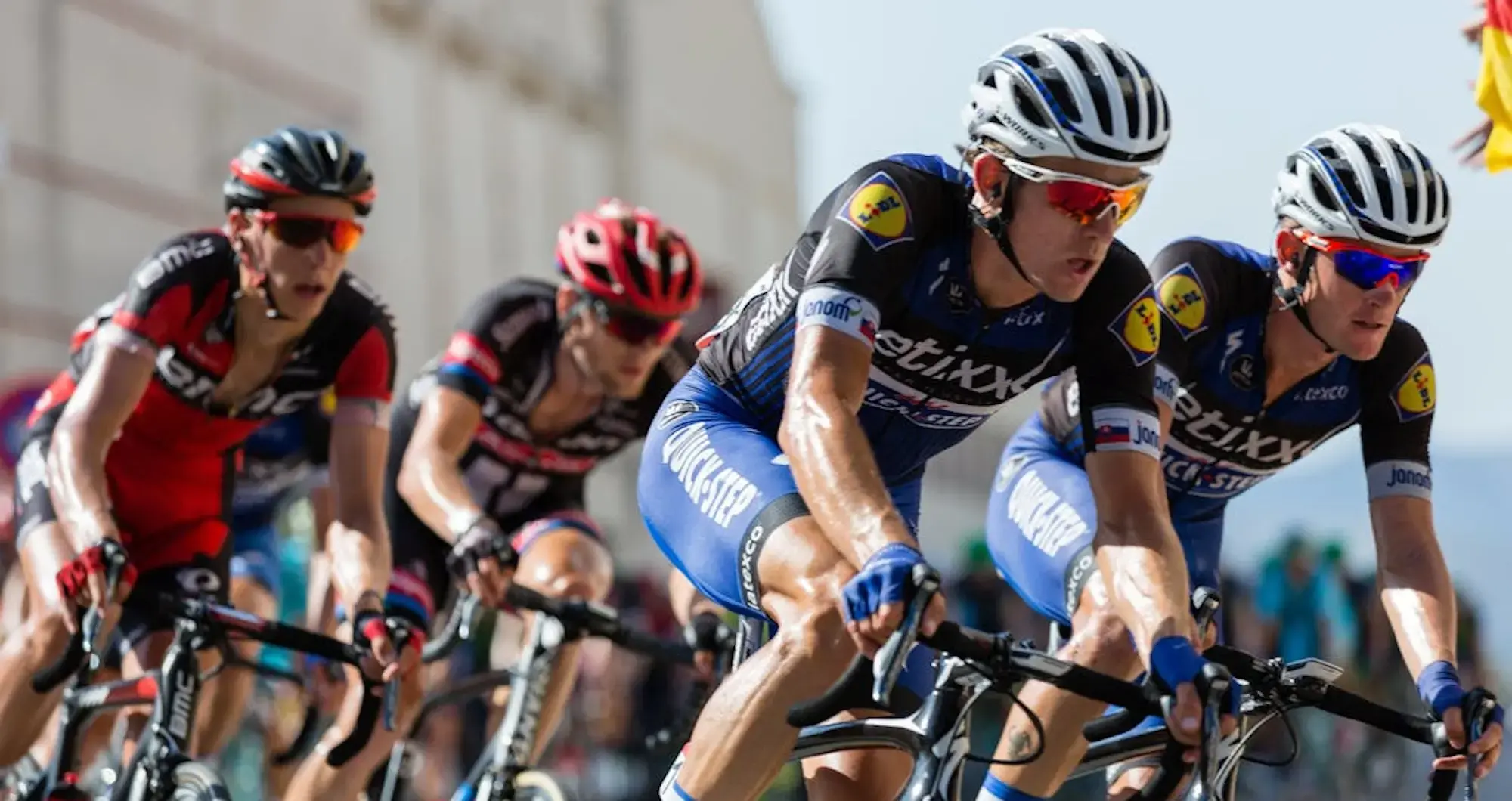

In sports, where rivalry is fierce and individual skill is praised, teamwork is vital. Sports collaboration embodies camaraderie, respect, and a shared goal that motivates individuals to excellence; it is not only coordination. On the pitch, court or rink, teamwork defines success.
The basis of team dynamics
Team dynamics define effective sportsmanship. These dynamics are predicated on the notion that every team member is indispensable. Team approaches and personal skills have to connect. Players and coaches know that assembling a squad calls for more than ability. It calls for openness, trust, and a culture where everyone feels valued and inspired.
Mass participation events, including marathons, triathlons, and charitable runs, clearly show teamwork. For the same purpose, these events usually bring people from many backgrounds and skill levels together. Participant effort and support demonstrate the value of teamwork and the fact that sports success depends on group efforts to reach a target.
Teamwork depends on communication
Good communication connects a team. Effective communication can ruin or enhance a sports performance. On the field, players coordinate, forecast, and make snap decisions using both verbal and nonverbal cues. Fast-paced sports such as basketball, soccer, and hockey rely on this synchronisation to enable rapid and accurate communication.
Communication develops team ties beyond the game. Team meetings, comments, and honest communication help address issues, mark successes, and improve performance. Coaches and team leaders stress active listening and helpful criticism to ensure everyone’s voice is heard and valued.
Mutual trust and respect
Sports teamwork calls for respect and trust. Trust is developed by consistent performance, dependability, and team goals. Athletes who trust one another take measured risks, knowing their peers will help them. Trust enhances cooperation and allegiance to team strategy and decisions between players and coaches.
Good team member respect creates a friendly environment. Respecting each other’s strengths, constraints, and efforts helps us be together. Respect keeps the team focused on sports, where emotions can run strong, and helps avoid clashes. Celebrating achievements and learning from mistakes helps one develop resilience and teamwork.
Leadership role
Any team player who encourages and motivates others can lead. Sports leaders are modelled by their commitment, tenacity, and optimism. Arriving early and leaving late, they set a model. They often help others, showing dedication to the team’s success. They communicate effectively, ensuring that everyone understands their roles and responsibilities. Additionally, they foster an environment where feedback is valued and used for continuous improvement.
Team morale also depends on effective leadership. Sportsmen are adept at helping, encouraging, and addressing problems for fellow workers. A strong leader can unite the team by reminding them of their objectives and the need for cooperation amid trying conditions. Sportsmen inspire others, encourage responsibility, and guide the team towards excellence.
Overcoming challenges together
Any team has internal problems, injuries, and losing streaks. Team handling of these problems determines success. Sports teams tackle these problems using the strengths of every member. Overcoming obstacles together strengthens team resilience and cohesiveness. Effective communication and mutual support are crucial in navigating these challenges and maintaining team morale.
A major sporting challenge is loss. Cooperation makes losses into teaching moments. By means of performance analysis, identification of areas for development, and cooperative problem-solving, teams can grow for the next contests. Cooperation and the will to overcome obstacles help one recover from them.
Beyond sports: Teamwork impact
The values of sports teamwork transcend the field. The communication, trust, leadership, and resilience skills acquired are useful throughout life. Usually, athletes bring these qualities to work, relationships, and community service. Sports inspire people to cooperate and better society, as well as to build friendship and mutual support.
Sports teams help to promote diversity and inclusion. People from many origins, cultures, and experiences find a common enthusiasm. Diversity sharpens team viewpoint, originality, and creativity. Sports teams show society by example the value of cooperating despite differences.
Conclusion
Ultimately, athletic cooperation is essential. It propels many of the greatest achievements in sports history. Teams that use effective communication, trust, respect, and leadership can overcome challenges and succeed. In sports, teamwork helps people meet obstacles in daily life. A team’s ultimate strength is its cohesion and combined effort as we honour successes and grow from mistakes.







