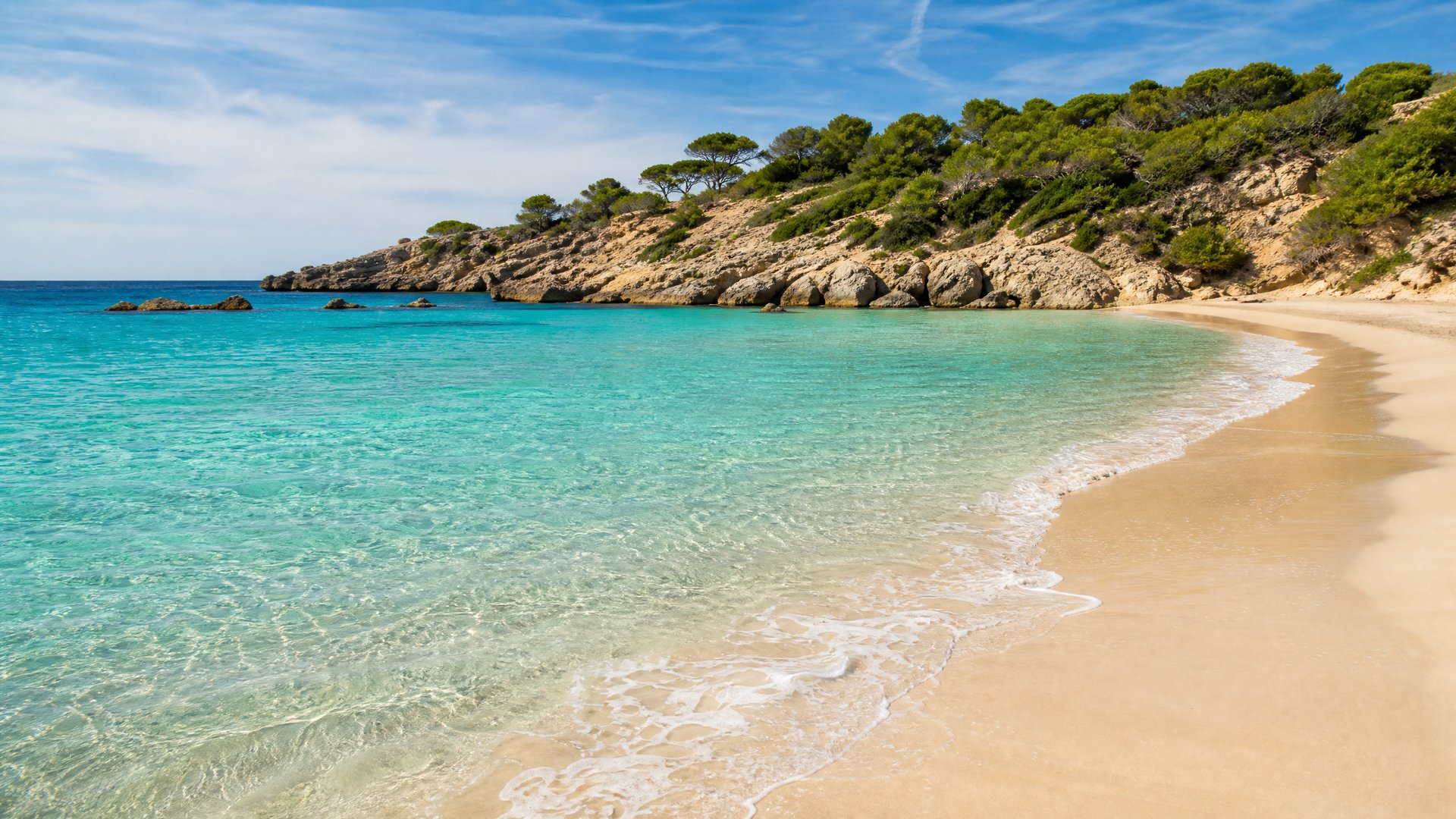

The British seaside has always had a pull to it. But something changed after 2020. What had been a slightly nostalgic choice, often dismissed in favour of a cheap European flight, became the preferred option for a huge slice of the UK travelling public.
Coastal self-catering didn’t just recover post-pandemic. It grew into something that has genuinely reshaped how people in this country think about taking time off. Carry on reading to discover how it all happened, and where the market stands today.
How the Pandemic Flipped the Script on UK Holidays
When international travel collapsed in 2020, millions of people who would ordinarily have headed to Spain or Greece found themselves looking at the British coastline instead. Cornwall, Devon, Northumberland, Pembrokeshire, the Scottish Highlands. Places that had long been adored by a loyal few suddenly had waiting lists.
What surprised many was that the conversion stuck. People who had never considered a UK seaside holiday came back the following year and the year after that. The quiet beach walk before breakfast, the self-catering kitchen without the restaurant schedule, the dog coming along for the week. It forced some Britons to connect with their home in a way they hadn’t before.
Self-Catering vs. Hotels: Why Cottages Won
The appeal of a coastal cottage over a hotel isn’t just about cost, though that’s obviously part of it. Space is a big factor. A family of four in a hotel room is a very different experience to the same family in a three-bedroom cottage with a garden, a ten-minute walk away from the beach.
Flexibility matters too. You can eat when you want, bring your own food, stay up late without worrying about noise complaints, and leave muddy wellies by the back door. For groups and families especially, self-catering accommodation offers a kind of freedom that hotels are structurally unable to provide.
How Aggregator Platforms Changed UK Holidays
One of the less-discussed drivers of the coastal cottage boom is how much easier it has become to find and compare properties. A decade ago, discovering a decent self-catering cottage often meant trawling through individual agency websites or relying on word of mouth. That process was slow, inconsistent and frequently unreliable.
Specialist platforms changed that completely. Beach Stays, for example, brings together more than 9,000 coastal and sea-view properties across England, Scotland, Wales and Ireland into a single searchable collection. You can filter by location, dates, number of guests, pet-friendly options, hot tubs and more, in the time it used to take to make a phone call to a letting agent.
This kind of aggregation has also introduced a level of transparency that benefits travellers. Pricing is comparable across properties, availability is accurate, and the range on offer at any one time is genuinely broad. From a one-bed fisherman’s cottage in Cornwall to a large group house on the Norfolk coast.
A Trend That Outlasted the Circumstances That Sparked It
The telling thing about the coastal cottage boom is that it didn’t unwind when European travel returned to full availability. People had the option to go back to Lanzarote or Tuscany and many did, but a significant portion chose to stay closer to home. That suggests the shift was about more than restricted options.
Part of the explanation is simply that a lot of people discovered something they genuinely liked. The slower rhythm of a week by the sea, with no transfers or airport queues, proved harder to give up than expected.
The shoulder seasons have also drawn in more visitors, with coastal stays in autumn or early spring offering their own quieter appeal for those willing to trade guaranteed sunshine for emptier beaches and cheaper rates.
Slower Holidays, Instagram Cottages and the Mood That Drove It All
There’s something else going on beyond the practical. There’s been a broader reassessment of what a good holiday actually looks like. Slower, quieter and closer to nature has gained real cultural traction, and the British coast fits that mood well.
Social media has played a part too. Coastal cottage interiors, the wood burner, the sea view from the bedroom window, the stone walls, photograph well and travel far on Instagram. That visibility has introduced a generation of younger travellers to a type of holiday they might not have considered before.
Closing Remarks
The coastal cottage holiday’s rise from reliable favourite to mainstream first choice has been striking. It’s been driven by a mix of circumstances, changing tastes and better technology, and the evidence in 2026 is that it’s not a temporary trend. The British seaside, it turns out, doesn’t need much of a second chance once people actually give it one.