

As UK households brace for winter energy bills, new analysis of government data reveals the nation’s most common energy efficiency upgrade is not insulation or new windows, but modern heating controls.
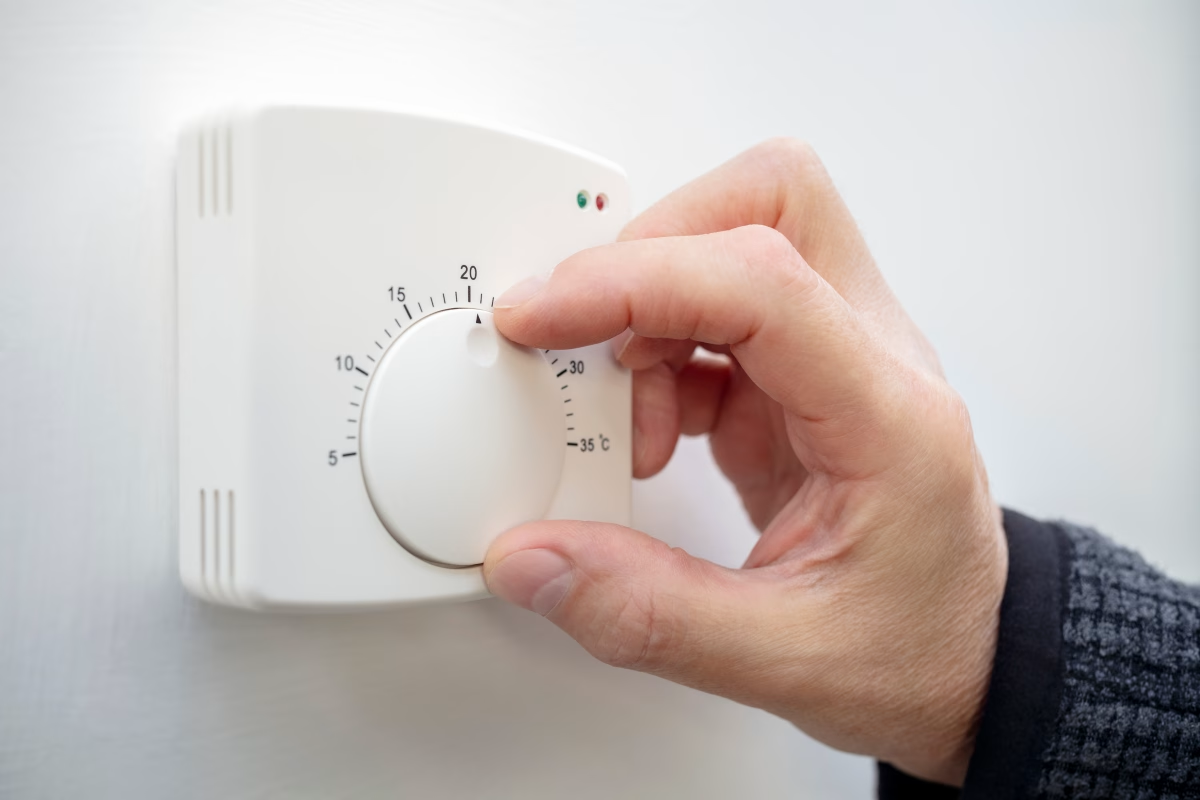
Official statistics show that in 2024, the installation of heating controls—such as thermostats, programmers, and radiator valves—accounted for 45% of all measures installed under the UK’s flagship energy efficiency scheme, the Energy Company Obligation (ECO). This makes them the single most-installed measure, outpacing more widely discussed upgrades like loft and cavity wall insulation.
This finding challenges the common perception that major fabric-first improvements are the primary focus of energy efficiency efforts. While insulation remains critical, the data indicates that upgrading a heating system’s ‘brain’ is the most frequent action taken by households seeking to reduce energy consumption and cut costs.
The trend is being reflected across the heating industry, with suppliers reporting significant increases in demand for heating control products as winter approaches. According to Plumb2u, one of the UK’s leading heating and plumbing suppliers, sales of heating controls have surged in recent months, with three brands consistently leading consumer demand.
“We’re seeing unprecedented interest in heating controls this year,” explains a spokesperson from Plumb2u. “The top three brands flying off our shelves are Honeywell Home, Salus, and EPH Controls. These aren’t just random purchases—customers are making informed decisions about energy efficiency.”
With the Ofgem energy price cap set at £1,755 for a typical household this winter, the focus on affordable and effective measures is more critical than ever. According to the Energy Saving Trust, installing a full suite of heating controls can reduce a typical gas bill by up to £110 per year.
The Smart Money is on Smart Controls
The data reveals a sophisticated understanding among UK homeowners about where to invest their energy efficiency pounds. Rather than jumping straight to expensive insulation projects, many are starting with heating controls—a strategy that industry experts say makes financial sense.
“The data points to a significant, yet quiet, revolution in how UK homes are becoming more efficient,” said Jamie Irwin, a B2B SEO and Digital PR strategist. “This data is a classic example of how official statistics can reveal market dynamics that are otherwise invisible. For businesses in the heating and plumbing sector, it’s a clear signal that the volume market is in smart, accessible upgrades, not just big-ticket installations.”
The Cost-Effectiveness Comparison
A comparison of common energy efficiency upgrades highlights why heating controls have become the go-to first step for many households:
| Measure | Typical Installation Cost | Typical Annual Savings |
|---|---|---|
| Full Heating Controls | £550 | £110 |
| Loft Insulation | £480 | £215 |
| Cavity Wall Insulation | £1,000 | £235 |
While insulation offers higher potential savings, the lower upfront cost and ease of installation for heating controls make them a more accessible starting point for millions of properties. For many homeowners, it’s about taking that first step towards energy efficiency without the disruption and expense of major building work.
What’s Driving the Heating Controls Boom?

Several factors are contributing to the surge in heating control installations across the UK. The combination of rising energy costs, improved technology, and greater awareness of energy efficiency has created a perfect storm of demand.
Modern heating controls offer features that were unimaginable just a decade ago. Smart thermostats can learn household patterns, be controlled remotely via smartphone apps, and provide detailed energy usage data. Thermostatic radiator valves (TRVs) allow room-by-room temperature control, ensuring energy isn’t wasted heating unused spaces.
The government’s own data supports this trend. Under the broader umbrella of government-supported schemes, over 420,600 energy efficiency measures were installed in 2024, a 27% increase on the previous year. The prevalence of heating controls within this figure underscores their role as a foundational element in the UK’s journey towards more energy-efficient housing stock.
The Winter Preparation Rush
As autumn progresses into winter, heating suppliers are reporting their busiest period for control system upgrades. The timing makes sense—homeowners want to optimise their heating systems before the coldest months arrive, when energy consumption peaks.
For those considering an upgrade, the choice of brand appears to be crucial. The three market leaders—Honeywell Home, Salus, and EPH Controls—each offer different strengths, from advanced smart features to robust reliability and competitive pricing.
Industry suppliers like Plumb2u are seeing customers become increasingly sophisticated in their approach to heating efficiency. Rather than simply replacing like-for-like, homeowners are researching the latest technologies and investing in systems that offer both immediate comfort and long-term savings.
Looking Ahead: The Future of Home Heating
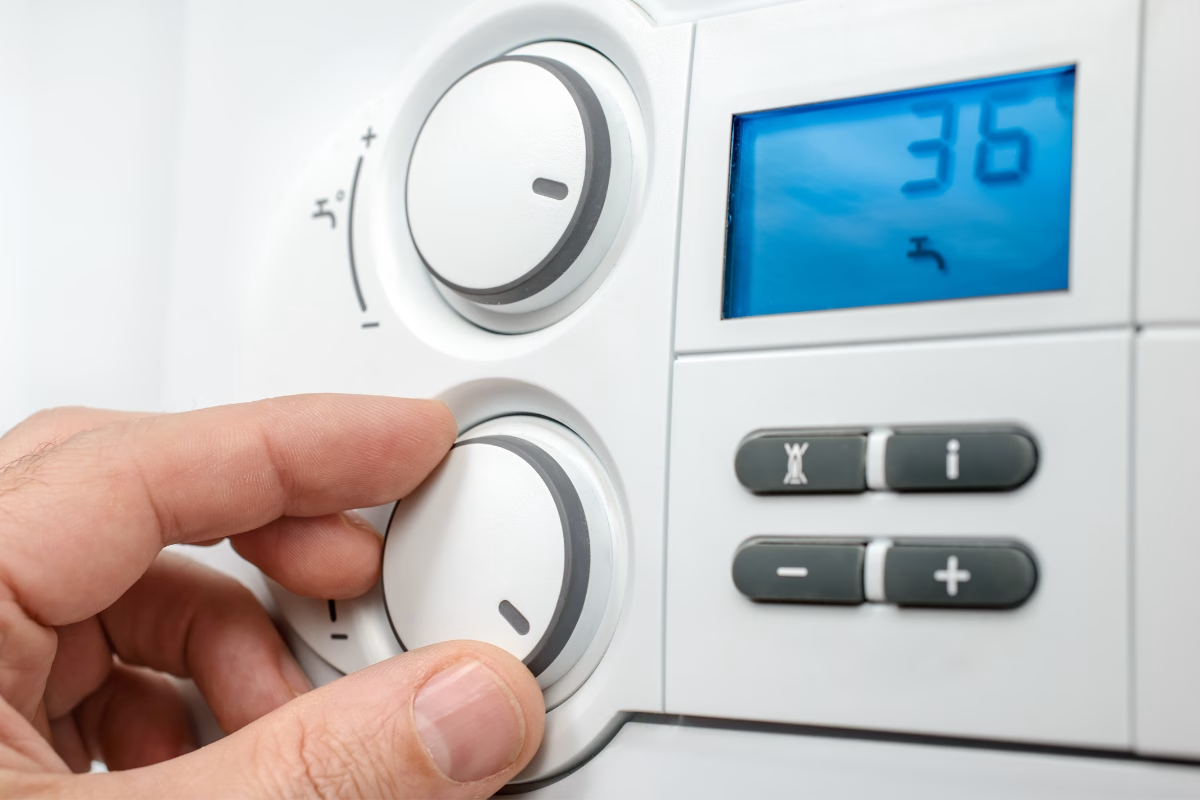
The dominance of heating controls in the government’s energy efficiency statistics suggests a broader shift in how UK households approach energy management. Rather than viewing heating as a binary on-off system, more homeowners are embracing the concept of intelligent, responsive heating that adapts to their lifestyle and usage patterns.
For homeowners, landlords, and facilities managers, this trend highlights the importance of assessing and upgrading heating control systems as a primary strategy for managing energy costs. With winter energy bills set to remain high, the £550 investment in a comprehensive heating control system represents one of the most cost-effective ways to regain control over energy expenditure.
The data doesn’t lie—when it comes to energy efficiency upgrades, the UK has quietly voted with its wallets, and heating controls have won by a significant margin.

Sources:
- Department for Energy Security and Net Zero (DESNZ): Household Energy Efficiency Statistics, Detailed Release March 2025
- Ofgem: Energy Price Cap data for October-December 2025
- Energy Saving Trust: Heating Controls guidance and cost estimates
- Plumb2u: UK heating and plumbing supplier sales data and market insights