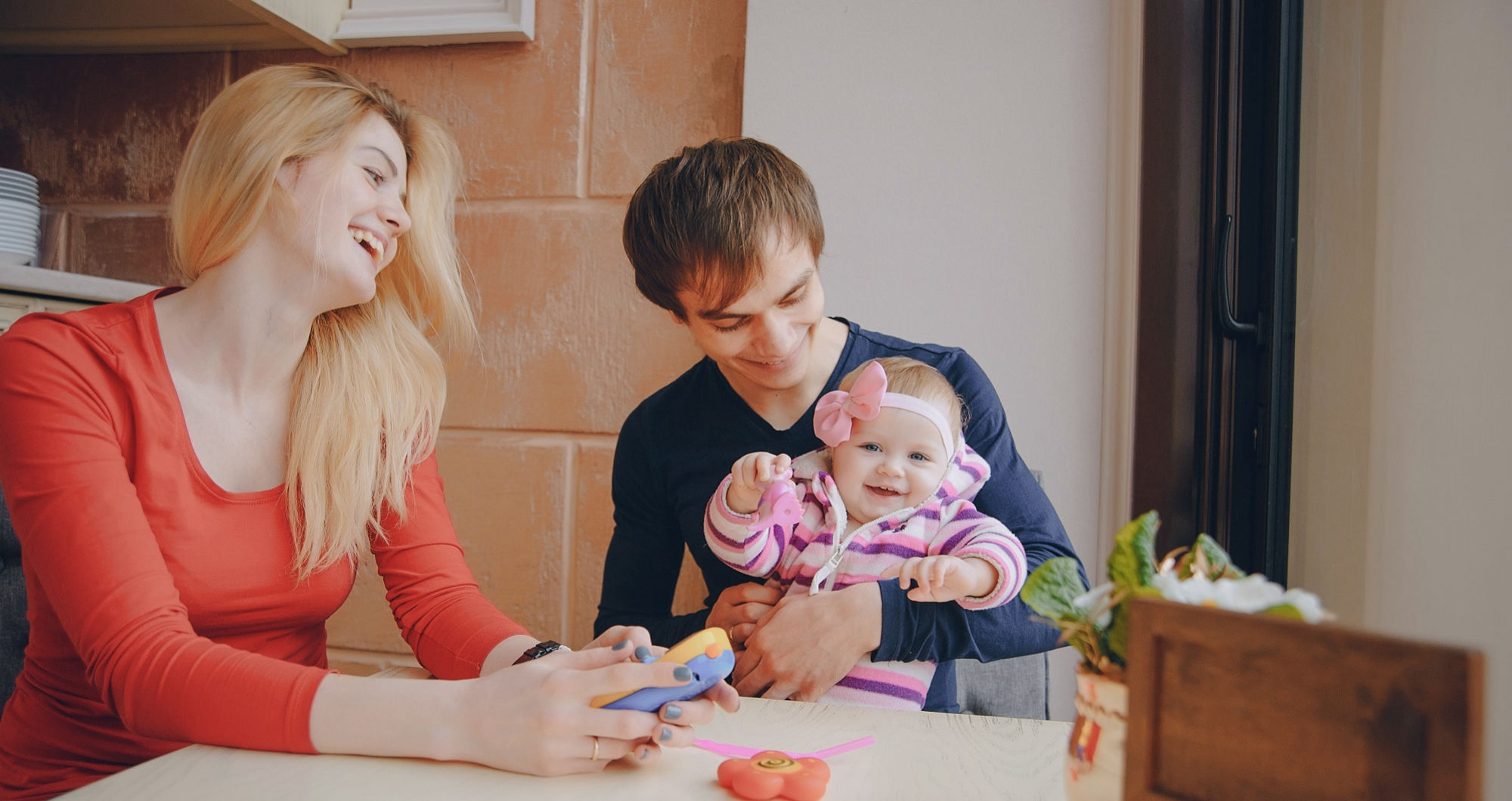

Nothing quite prepares you for the reality of bringing a baby home. You’ve read the books, attended the classes, assembled the crib, and washed all those impossibly tiny clothes. Yet somehow, when you’re standing in your living room at 2 AM with a crying infant, realising you’ve completely lost track of which side you last fed from and whether that was twenty minutes ago or two hours, the gap between preparation and reality becomes startlingly clear.
Early parenthood exists in this strange temporal space where days blur together yet individual moments stretch with surprising intensity. A smile—their first real smile, not just gas—can make you forget an entire week of sleep deprivation. The weight of their head resting on your shoulder feels simultaneously like the most natural thing in the world and the most profound responsibility you’ve ever held.
This isn’t the carefully curated version of parenthood you see in advertisements, where babies sleep peacefully in pristine nurseries and parents glow with well-rested contentment. This is the messy, beautiful, sometimes overwhelming, often hilarious reality of learning to care for a tiny human who communicates primarily through crying and whose needs change faster than you can figure out the patterns.
But here’s what the books don’t always tell you: amid the chaos and exhaustion, there’s also profound joy. The quiet moments when it’s just you and this little person, existing together in the predawn darkness. The way they smell after a bath. The startling realisation that you’d walk through fire for someone you’ve only known a few weeks. The unexpected ways you discover your own strength, patience, and capacity for love.
Creating Comfort in the Early Days
Those first weeks home feel like navigating completely uncharted territory. Everything is new—new sounds, new routines, new worries you never imagined you’d have. (Will they be warm enough? Too warm? Why are they making that noise? Is that noise normal? Should I call the paediatrician about that noise?)
One of the most valuable realisations many new parents have is that comfort—both the baby’s and your own—matters more than perfection. The perfectly designed nursery is lovely, but your baby doesn’t care if their changing table matches their crib. They care about being clean, comfortable, and close to you.
Temperature regulation puzzles many new parents. Babies can’t regulate their body temperature as effectively as adults, making them vulnerable to both overheating and getting too cold. The general guideline—dress them in one more layer than you’re comfortable in—works as a starting point, but you’ll quickly learn to read your particular baby’s cues. Some run warm and kick off blankets. Others seem perpetually chilly despite multiple layers.
The feeding journey takes different forms for different families. Whether you’re breastfeeding, formula feeding, or doing a combination, the early days often involve a steep learning curve. Breastfeeding, despite being “natural,” doesn’t always come naturally—positioning matters, latch matters, and sometimes it takes weeks for both you and baby to figure it out. Formula feeding requires its own expertise: the right temperature, proper measurements, and finding a bottle system that works for your baby.
What matters most isn’t which method you choose but that your baby is fed, growing, and that you’re not suffering in silence if things aren’t going well. Lactation consultants, paediatricians, and experienced parents can offer guidance when you’re struggling. And if you need to change your approach—switching from nursing to formula, adding supplementation, trying different bottles—that’s not failure. That’s responsive parenting.
When Tiny Skin Needs Extra Care
Baby skin is remarkably soft and remarkably sensitive. That delicate texture that makes you want to nuzzle their cheeks constantly also means their skin reacts to things adult skin shrugs off. Many parents are caught off guard by just how common skin issues are in infancy.
Diaper rash surprises people with its frequency and sometimes its severity. Even with frequent changes and careful cleaning, many babies develop red, irritated skin in the diaper area. Sometimes it’s simple irritation from moisture and friction. Other times it’s a yeast infection requiring specific treatment. The range of products marketed for diaper rash can be overwhelming—pastes, creams, balms, powders, each claiming to be the solution.
For babies with eczema, the challenges multiply. Those red, dry, itchy patches can appear anywhere, but commonly show up on cheeks, scalps, and in the creases of elbows and knees. Eczema isn’t just a cosmetic concern—it’s genuinely uncomfortable for babies, potentially disrupting sleep and causing distress. Managing it requires attention to multiple factors: keeping skin moisturised, identifying and avoiding triggers, choosing gentle products, and sometimes using medicated treatments.
The intersection of diaper rash and eczema creates particular challenges since babies with eczema-prone skin often react more severely to the irritation in the diaper area. Finding effective diaper rash cream and eczema solutions that address both concerns without harsh chemicals becomes a priority for these families. Products specifically formulated for sensitive skin, using minimal ingredients and avoiding common irritants, can make a significant difference in keeping babies comfortable.
Parents quickly become experts in reading their baby’s particular skin. You learn which products work and which cause reactions. You figure out whether your baby needs diaper cream at every change or only when showing signs of irritation. You discover whether they react to certain laundry detergents, whether their eczema flares with temperature changes, and whether their skin prefers frequent short baths or less frequent longer ones.
The trial-and-error nature of finding the right skincare approach can be frustrating. What works beautifully for your friend’s baby might make your baby break out in hives. Generic advice from well-meaning relatives—”just use coconut oil” or “a little cornstarch will fix it”—sometimes helps and sometimes makes things worse. Your paediatrician becomes an essential partner in navigating persistent skin issues, helping distinguish between normal newborn skin changes and problems requiring intervention.
Prevention strategies help, but don’t eliminate all skin issues. Frequent diaper changes reduce moisture exposure. Barrier creams protect against irritants. Gentle, fragrance-free products minimise reactions. But sometimes, despite your best efforts, babies still get rashes and dry patches. This isn’t a reflection of your care—it’s just the reality of sensitive infant skin adjusting to the world outside the womb.
Capturing These Fleeting Moments
Time moves strangely in early parenthood. The nights feel endless when you’re up for the fourth time trying to soothe a fussy baby. Yet somehow, weeks pass in what feels like days, and suddenly your newborn has chubby wrists and a double chin and doesn’t quite fit into those tiny preemie outfits anymore.
This paradox—time simultaneously crawling and racing—makes many parents anxious about preserving memories of these early days. You’ll take hundreds of photos on your phone, of course. Pictures of them sleeping, eating, making funny faces, wearing adorable outfits, being held by visitors. Your camera roll becomes 90% baby photos practically overnight.
But there’s something different about professional photography, particularly for newborns. Those first two weeks of life represent a unique window—babies are still curled up, still incredibly sleepy, still in that bridge between womb and world. They can be gently posed in positions that won’t work even a week or two later when they’re more alert and less flexible.
Professional newborn photography requires specific expertise beyond general portrait photography. Working with newborns means understanding their rhythms, knowing how to keep them comfortable and safe during posing, and having the patience to work around their needs. The best photographers make it look effortless, creating those impossibly peaceful images of sleeping babies in dreamy setups, but behind each shot is significant skill in handling, positioning, and soothing tiny subjects.
For families in Australia, finding a skilled Melbourne newborn photographer who understands both the technical aspects of capturing those early days and the emotional significance of the work creates lasting treasures. These aren’t just pretty pictures—they’re tangible memories of a time that, despite feeling endless in the moment, passes with startling speed.
The decision to invest in professional photos sometimes feels complicated for new parents already navigating significant expenses. Diapers, formula or nursing supplies, childcare costs, medical appointments—the financial demands of a new baby add up quickly. Yet many parents who do commission professional newborn photos describe them as among the most treasured possessions years later, images they return to repeatedly as their children grow.
Timing matters significantly for newborn sessions. Most photographers recommend scheduling within the first two weeks, ideally within the first ten days, when babies are sleepiest and most easily posed. Booking while you’re still pregnant ensures you’ll have a spot reserved, since the best photographers often have limited availability. Then you simply update them when the baby arrives and schedule the actual session within that ideal window.
The experience of a professional newborn session differs from the casual snapshots you take daily. There’s intentionality in the lighting, the props, the posing. Photographers create images that are beautiful and timeless, avoiding trendy elements that might look dated in a few years. The result is a collection of photographs that capture what your baby looked like and the tenderness and wonder of those early days.
Finding Your Own Creative Outlet
Amid the constant demands of caring for a newborn, many parents find they need something for themselves—some activity that engages their hands and mind in ways that feel creative and productive but don’t require the sustained focus that reading or complex projects demand.
There’s something meditative about the repetitive motions of knitting or crocheting. The rhythm becomes almost automatic, allowing your hands to work while your mind wanders or focuses on other things. Unlike many hobbies, you don’t need to be fully mentally engaged to make progress—you can watch a show, have a conversation, or simply zone out while your hands create something tangible.
Making things for your baby adds another layer of satisfaction. That first-hand-knitted blanket, booties, or sweater carries emotional weight beyond its practical function. You’re creating something warm and beautiful for this person you love desperately, working stitch by stitch to craft something that will wrap around them, protect them, carry your love in tangible form.
The practical considerations matter too. Starting projects requires having appropriate supplies on hand, but leaving the house for shopping trips becomes complicated with a newborn. Online shopping solves this problem elegantly—you can browse extensive selections, compare options, and have materials delivered without coordinating someone to watch the baby or timing the trip around their feeding schedule. The ability to shop yarns online means you can select exactly what you need for each project, access speciality yarns that might not be available locally, and restock supplies as needed without the logistics of an outing.
Project selection matters when you’re crafting with a newborn. Complex patterns requiring constant attention and careful stitch counting might frustrate you more than relax you. Simple, repetitive patterns—basic blankets, straightforward booties, easy washcloths—allow you to make steady progress without needing to reference instructions constantly. You can work by feel, your hands remembering the pattern while your attention stays available for the baby.
The finished products serve multiple purposes. Obviously, they’re functional—babies need blankets, hats, booties. But they’re also memory markers, physical representations of this particular time in your life. Years later, you might look at a somewhat lumpy first baby blanket and remember the nights you worked on it while rocking a fussy infant, the way the rhythmic stitching calmed both of you, the love you knitted into every row.
Building Your Support Network
The romanticised version of new parenthood often shows parents managing everything perfectly and independently. The reality involves a lot more asking for help, accepting assistance, and building networks of support that make the impossible task of caring for a completely dependent human while barely functioning on interrupted sleep somewhat more manageable.
Support takes many forms. Sometimes it’s practical—someone bringing meals, folding laundry, holding the baby so you can shower. Sometimes it’s emotional—someone listening while you cry about how hard this is without judging you for not glowing with perfect maternal bliss. Sometimes it’s informational—someone who’s been through this recently sharing what worked for them or validating that yes, this particular phase is really difficult and you’re not failing.
Partners, when present, navigate their own adjustments to parenthood. The division of labour and responsibility requires explicit conversation rather than assumption. Who handles which night wakings? How do you both get some sleep? Who manages which aspects of baby care? These aren’t one-time conversations but ongoing negotiations as needs and circumstances change.
Friends without children might struggle to understand why you can’t just meet for dinner anymore or why you’re not responding to texts promptly. Friends with children, especially those slightly ahead of you in the journey, become invaluable resources. They remember how hard this is. They can offer specific, relevant advice. They won’t judge you for admitting you sometimes have no idea what you’re doing.
Professional support matters too. Your paediatrician becomes a key partner, helping you navigate medical concerns and normal newborn development. Depending on your needs, you might also work with lactation consultants, sleep consultants, mental health professionals, or other specialists. Using these resources isn’t a sign of weakness—it’s smart utilisation of expertise to help you and your baby thrive.
The Long View
Amid the intensity of early parenthood, it’s hard to imagine that this phase will end. The sleep deprivation feels permanent. The constant feeding schedule seems eternal. The responsibility feels overwhelming.
But slowly, imperceptibly at first, things shift. Smiles become frequent. Sleep stretches a bit longer. Feeding becomes more efficient. You figure out what different cries mean. The mystery of this small person starts revealing itself.
You’ll eventually sleep for more than three hours straight. Your baby will eventually fit into something other than newborn sizes. The intense fog of those early weeks will lift, though you might not notice exactly when it happens—you’ll just realise one day that you feel somewhat human again.
What you’re doing right now, in these difficult early days, is remarkable. You’re keeping a tiny human alive, learning to read their cues, meeting their endless needs while running on minimal sleep and maximum anxiety. You’re building the foundation for who they’ll become, creating their first experiences of being cared for, loved, and safe.
The photos you take, the blankets you make, the millions of small choices about how to soothe them and feed them and dress them—these aren’t just daily tasks. They’re the work of building a life, of growing into this new identity as someone’s parent, of creating the story you’ll both carry forward.
It won’t always be this hard. But these days, fleeting and precious despite their difficulty, deserve to be honoured, captured, and remembered—not just the pretty moments, but the whole messy, beautiful truth of learning to love someone more than you knew was possible while simultaneously questioning every single decision you make.
You’re doing better than you think. And on the days when you’re just surviving, just getting through, just keeping everyone alive and fed—those days count too. Some days, that’s more than enough.