

News pages sell one pull quote before they sell a mood. A minister’s sentence that already ran in print will get screenshot if the VO chops it at the thirtieth character. That is why a voice cloning pass only helps a London desk when the input box can hold the quote the paper already published.
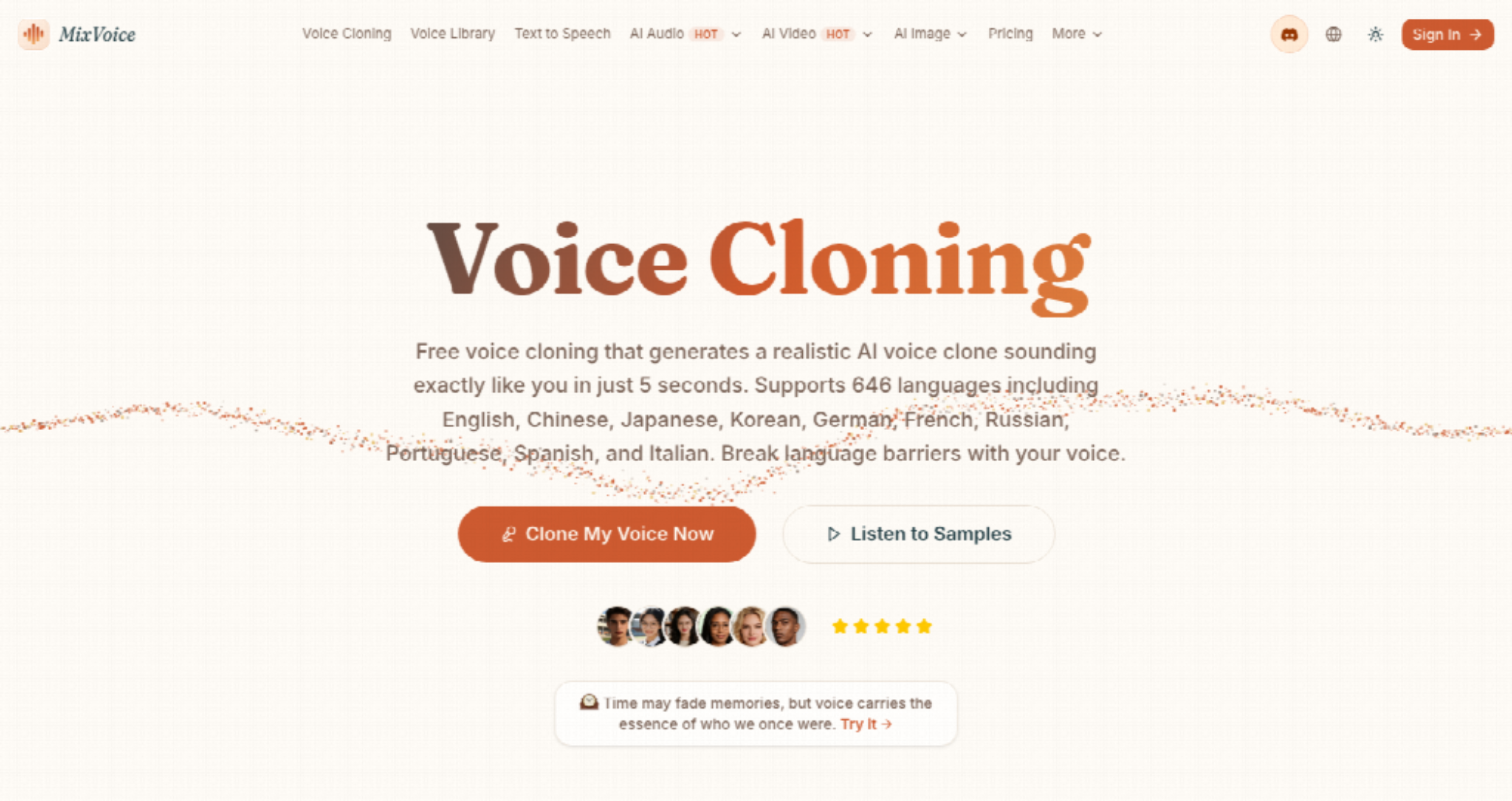
The Free row allows 30 characters per input and 200 characters per queued generation. A normal news quote is longer than that. Speech that stops halfway turns the page into a different claim. The failure is not a soft accent. The failure is a false quote readers will paste under the byline.
Printed Quotes Are Claims The Paper Already Made
A news site already treats the pull quote as a claim. The article typed the full sentence. The still of the minister sits next to it. If generated speech stops at a broken verb and never finishes the clause, the page is advertising words the minister did not say.
Editors already bounce stills for this. They reject a crop that cuts a name. They reject a paraphrase that invents a softer verb. Audio does not relax that rule. It makes the miss easier to miss because the first three words sound right. The useful reject is local. Play the file next to the printed sentence. If a reader could transcribe a different quote from the VO, the file is dead.
Reject A Crop That Cuts The Minister Verb
A still that shears “accept” into “accep” is already a kill. The same kill applies to audio. “The mayor will not accep” is not a teaser. It is a different sentence. Do not ship a half verb because the first half sounded like the briefing. Counsel will ask for the original words. The original words are the ones in the article.
Names are the same class of claim. Dropping “mayor” to squeeze the line into a short box is not compression. It is a different speaker and a different office. Keep the name. If the name will not fit, the box is wrong.
Audio Does Not Soften A Missing Clause
A warm throat does not restore a deleted object. If the printed line names a figure, a committee, or a date, the VO has to say those words. A file that stops after the verb and smiles through the rest is a rewrite. MixVoice will still generate the short string. The editor has to refuse the rewrite.
Night producers already know this from radio actuality. They do not replace a doorstep clip with a smoother actor and still call it the minister. The printed sentence is the doorstep clip. The generate is the actor. If the actor drops the clause, the card is lying.
Count The Characters Before Anyone Hits Generate
The public Free row is blunt. It supports 30 characters per input and 200 characters per free queued generation. Those two numbers are the whole newsroom problem on a free workspace. A pull quote from a briefing is rarely thirty characters. Check the count first. Generate second. The click will accept a chop. The byline will not.
- Paste the approved sentence into a character count before anyone opens the generate box. Count spaces. Count the period. The paper already published those marks.
- If the count is over 30, the Free input cannot take the line as one input. Stop there. Do not start editing for length.
- Do not “fix” the overflow by deleting the name, the verb, or the object. That is a different quote. “Mayor rejects the figure” is 24 characters and a different claim from the full minister sentence.
- Do not split one statement into six Free inputs and hope the joins will sound like one take. The first clip says the subject. The third clip says a verb from a later sentence. The join sounds fluent and is a lie.
- Watch the second wall. Even if six short inputs each stay under 30, the free queue still tops out at 200 characters for that generation. A paragraph from a statement will not fit. Stop before the sixth click invents a seventh clause.
- If the job is the live pull quote, move it to a plan that supports 10,000 characters per input, or keep the quote as text on the page. Free is not a smaller version of that job.
- If counsel later asks for the original audio, you need one take that says the printed words. Six chopped files are not that take. Kill the stitch. Print the quote.
Write the character count on the ticket next to the quote. If the number is over 30, the Free box is already the wrong tool for the byline. The rest of the night is cheaper if that decision happens before the first generation. Six chops glued later are rework, not a take.
Keep The Quote In A Box That Fits
Pro lists 10,000 characters per input and 2 million characters a month. That is the first public row that can hold a real briefing excerpt. An AI voice cloning pass on that row is useful when the quote is already approved, and the clone is only reading what the article typed. Free is a rehearsal. It can prove the voice sample. It cannot publish a minister sentence.
The homepage clone sample range used on this path is a short read, not a statement. Use it to hear whether the throat is even close. Then stop. MixVoice will keep offering the Free row. The person who owns the quote has to refuse that row when the sentence is already longer than thirty characters.
Leave Free For The Sample, Not The Byline
Load a 5–20 second sample if that is the published clone range on the workspace. Hear whether the voice is even in the neighbourhood. Do not paste the pull quote into that Free box. The byline is a claim. A chopped quote next to that byline is a second claim the paper did not mean to make.
A sample that proves the throat is useful at 4 p.m. A sample that replaces the quote at 9 p.m. is not. Keep those jobs apart on the ticket. Sample first. Quote later, in a box that can hold it.
Type The Sentence The Article Already Ran
The prompt should be the printed sentence, not a “sharper” rewrite. If the desk rewrites the quote after the sample is loaded, they have left the article. That is a different commission. Generate once on a plan that can hold the line. If the VO disagrees with the print, kill the file.
Do not shop a warmer read to hide a missing clause. The reader who screenshots the card will paste both the audio and the print. If those two disagree, the correction is already the story.
Chopped Teaser Versus The Full Minister Sentence
Last month’s thirty-character teaser is not this morning’s statement. “Mayor rejects the figure” fits the Free input. It is 24 characters. Someone still drops that teaser into the clone box because it fits. The clip sounds lively. The article under it now carries the longer line the minister actually said. Readers hear the short line and think the paper walked the story back. That is an afternoon of corrections, not a taste debate. The desk has to unsay a chop. MixVoice will keep answering if you keep sending the teaser. The editor has to refuse the extra pass.
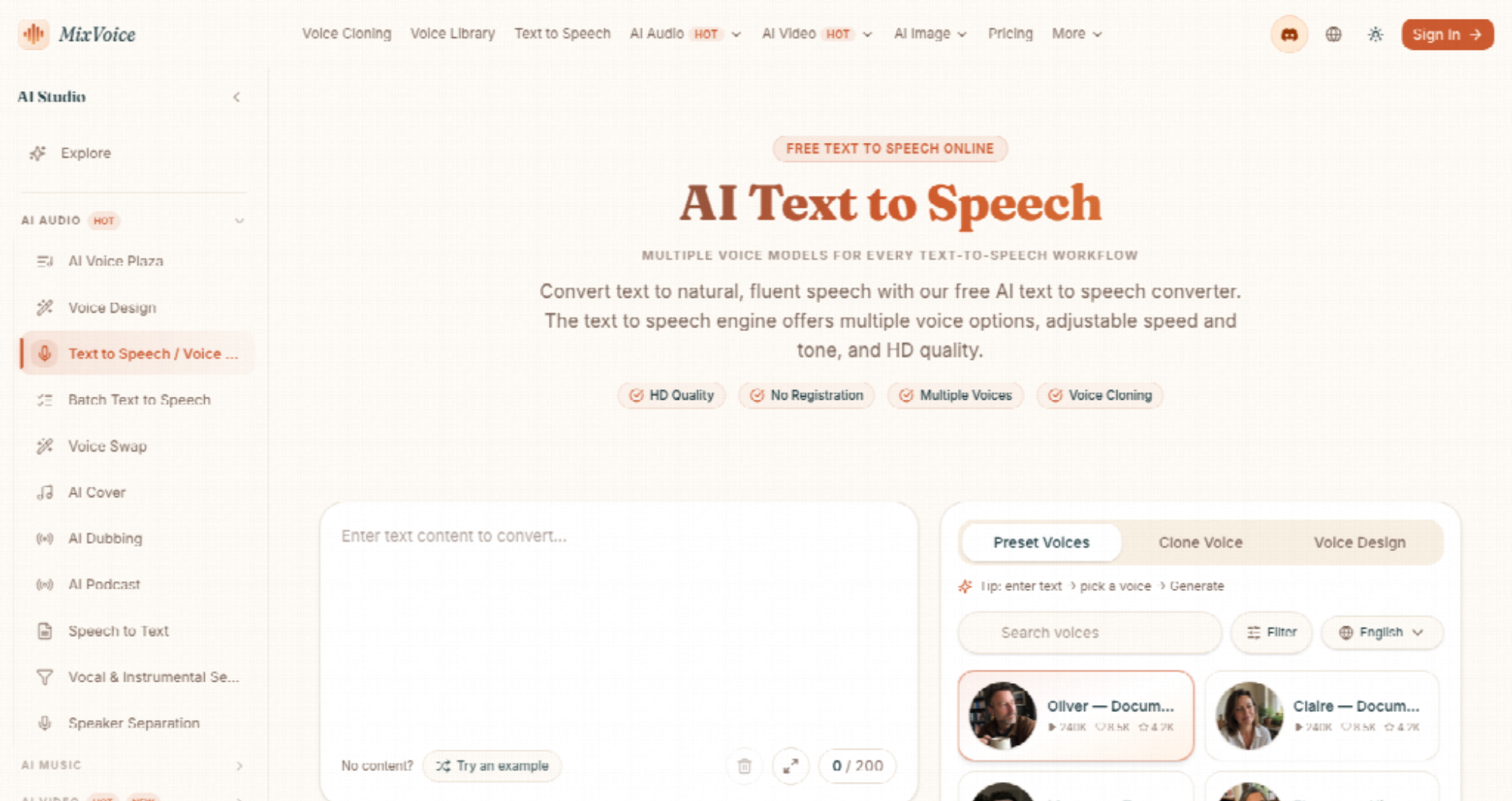
The full minister sentence is a different object. “The mayor will not accept that figure from the committee” is already past thirty characters before anyone adds a date or a second clause. It is the line the paper already ran. It is the line a reader will screenshot. It cannot live in a 30-character input, and six short generates glued in an editor will not become that line. If the card needs a voice, the sentence has to stay whole in one take. If the box cannot hold it, the card keeps the print and leaves the voice off.
Night Desk Speed Does Not Excuse A Chop
Night desks make the cheap path look reasonable. A short teaser fits the Free box and goes up first. The full statement lands an hour later. The VO still speaks the teaser. Readers think the later print walked the story back. Overnight wires will quote the print. They will also quote the chop if you give them one. Morning shows will play the clip next to the article. If those two disagree, the card becomes the story.
Export the teaser as text if the desk must move before the full line is in. Do not clone a thirty-character stub and leave it under a longer quote on the same card. MixVoice will keep rendering the stub. The night editor still has to count those characters before anyone hits generate on the live quote.
Feature image by Pexels







