
Gamification is a powerful tool that transforms ordinary interactions into exciting and rewarding experiences. By leveraging game mechanics like challenges, rewards, and competition, top brands such as Nike, limango, and Duolingo have successfully enhanced customer loyalty, driven product adoption, and motivated employees.
The key to a successful gamification strategy, however, lies in moving beyond basic tactics to achieve real, lasting results that significantly impact customer behaviour.
This article will explore the strategies behind the most effective gamification case studies, illustrating how game mechanics can convert casual users into deeply involved, loyal customers. Let’s begin!
What is gamification?
Gamification involves applying game elements—such as points, levels, challenges, and rewards—to everyday, non-game experiences to make them more immersive and engaging.
While it adds an element of fun, the core strategy of gamification is to drive specific user behaviours, incentivise participation, and encourage repeat visits.
For businesses, this means turning typical customer interactions into captivating experiences. Instead of simple transactions, customers can earn points, unlock exclusive perks, or participate in enjoyable challenges, deepening their connection with the brand.
Gamification is already a transformative force across various sectors—from education (e.g., Duolingo’s addictive learning model) and fitness (e.g., Nike’s focus on runners) to marketing (e.g., Starbucks Rewards’ customer retention). However, one of its most potent applications is in loyalty programs.
As you can tell, when designed thoughtfully using gamification software, gamification elevates customer loyalty from a routine program to a captivating, interactive experience. A great rewards program exists in the background, and what’s more, it keeps customers thrilled and coming back for more. From leaderboards and achievement badges to surprise challenges, gamification makes loyalty feel thriving and rewarding at every touchpoint.
The result? More engagement, retention, and brand advocacy. In a competitive market, that’s exactly what businesses need to stand out!
Gamification case studies
Gamification is a proven strategy that leading brands use to capture interest, strengthen loyalty, and extend customer lifetime value. Now, analyse these case studies to uncover actionable insights to create loyalty programs that attract and hold customers.
Enterprise gamification
Enterprise gamification makes experiences more interactive, rewarding, and results-driven with points, challenges, leaderboards, and rewards. It’s a powerful tool for loyalty programs, product adoption, and marketing, turning everyday interactions into something customers actually want to take part in. Tracking the right loyalty program metrics ensures businesses understand their program’s impact and make data-driven improvements. While some companies use gamification internally, its biggest impact comes from keeping customers engaged and driving business growth.
Case study: Nike+ with customised running challenges for motivation
Nike+ redefined runner experiences with personalised goals and challenges that adapt to fitness levels, habits, and past performance. Users can:
- Set custom running targets based on distance, speed, or frequency.
- Track personal bests and challenge themselves to improve.
- Earn achievement badges for reaching milestones that align with their progress.
This approach makes challenges both achievable and engrossing, giving runners the flexibility to progress at their own pace rather than conform to a one-size-fits-all system.
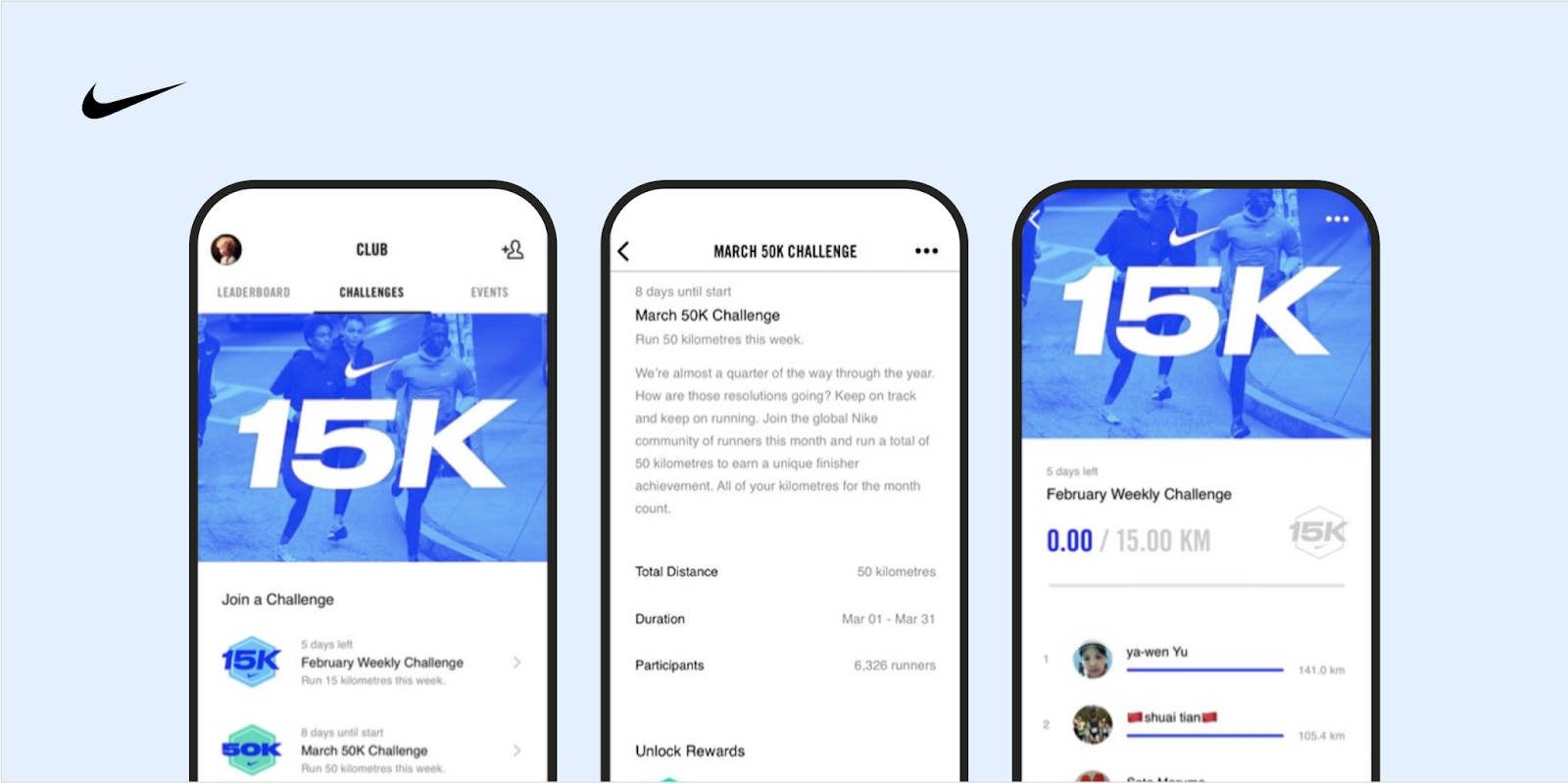
Nike+ as one of the gamification examples with a customised running challenge. Source: https://www.nike.com/jp/en/nrc-app
Case study: Duolingo with adaptive language learning for long-term engagement
Duolingo’s gamification mechanics have made it one of the most useful language learning platforms by continuously adapting to user performance. Unlike traditional learning methods, Duolingo personalises learning moments through:
- Adjusting lesson difficulty dynamically.
- Encouraging consistent practice streaks through daily challenges.
- Providing customised feedback and progress rewards tailored to individual learning speed.
Such a level of personalisation ensures that learners stay focused without feeling stuck or demotivated, leading to higher customer retention rates and more fruitful learning.
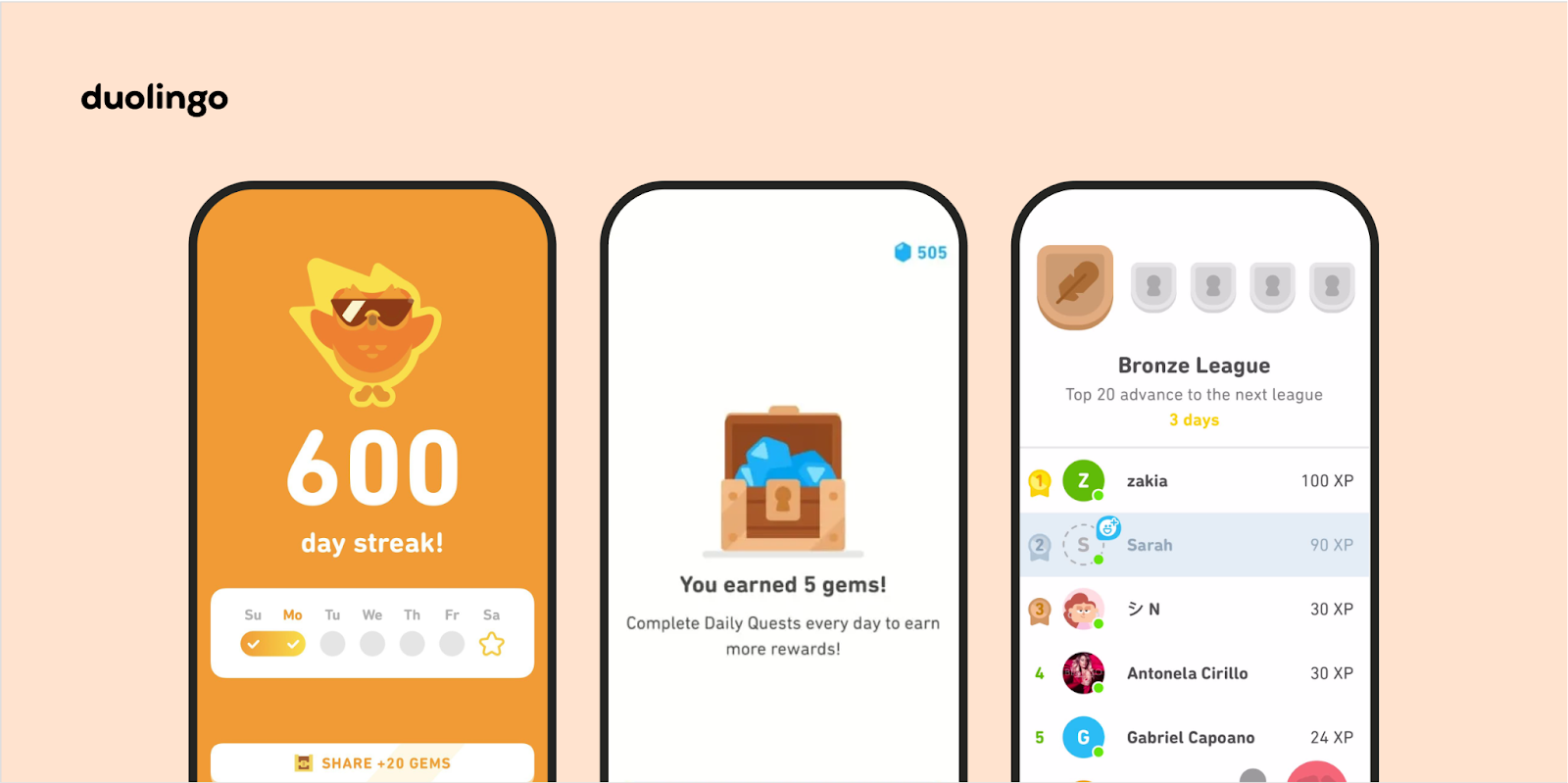
Duolingo with adaptive language learning that rewards users for each new level with experience points. Source: https://www.openloyalty.io/insider/loyalty-program-trends
The impact of enterprise gamification
Enterprise gamification works best when it keeps customers engaged and motivated over time. When interactions feel rewarding, interactive, and goal-driven, people stick around instead of losing interest after a single experience.
When done right, enterprise gamification can:
- Build stronger customer loyalty with interactive rewards and tiered perks.
- Help users explore products through challenges that make learning fun.
- Boost sales and retention by making engagement more dynamic and exciting.
- Turn customers into brand advocates by encouraging participation in community-driven experiences.
From loyalty programs to product adoption, gamification makes experiences more engaging and keeps users coming back for more.
Sales and product gamification
Adding game mechanics to the sales process or product experience makes customer interactions more engrossing, intuitive, and fulfilling. Sales teams benefit from features like leaderboards, incentives, and real-time progress tracking, which help drive motivation and performance. On the product side, gamified experiences encourage users to explore key features, take meaningful actions, and build habits.
Case study: Autodesk with gamified trials to increase sales
Autodesk, a global leader in 3D design and engineering software, faced a common challenge – getting trial users to fully explore the software and recognise its value before the trial ended. Many signed up for free trials of tools like Autodesk Maya but never engaged deeply enough to justify a paid subscription, leading to lower conversion rates.
To solve this, Autodesk introduced gamified onboarding, turning the learning process into an interactive and rewarding experience. Users could:
- Earn points and progress rewards by completing key tasks in Maya.
- Follow structured challenges that guided them through essential features.
- Engage with interactive tutorials rather than passively exploring the software.
https://www.youtube.com/watch?app=desktop&v=99CzhwwnFCQ
Instead of simply testing the software, customers actively learned how to use it, increasing their likelihood of recognising its value and committing to a purchase. This led to a significant boost in trial-to-paid conversions.
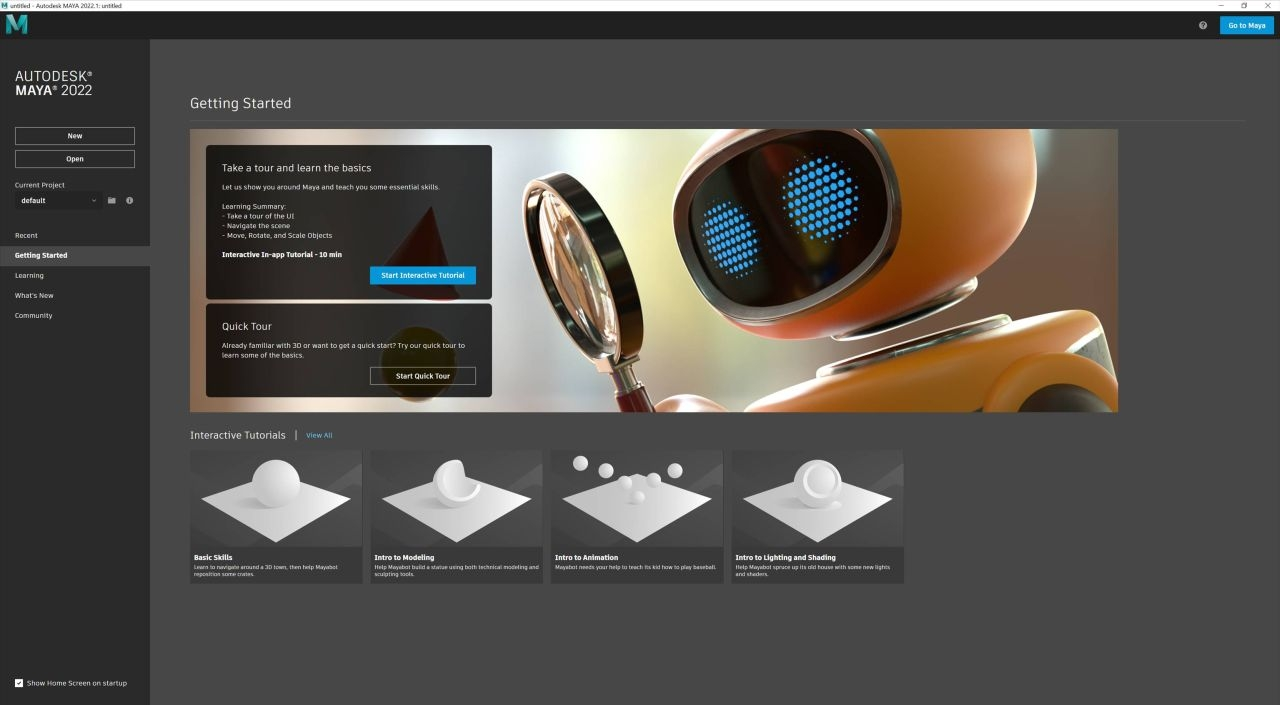
Autodesk as one of the gamification examples. Teams increase user engagement in the onboarding. Source: https://www.awn.com/news/autodesk-update-overhauls-user-onboarding
Case study: Microsoft with gamification for better product quality
Microsoft applied gamification in a different way – to improve the quality of its translations across various languages. Instead of relying solely on professional translators, the company encouraged users to contribute to language improvements through a gamified platform.
Participants could submit, review, and vote on translations, earning points and recognition for high-quality contributions. This approach drew in a large community and led to faster, more accurate translations in multiple languages.
As you can see, gamification transformed what could have been a passive product improvement process into an active, community-driven effort.
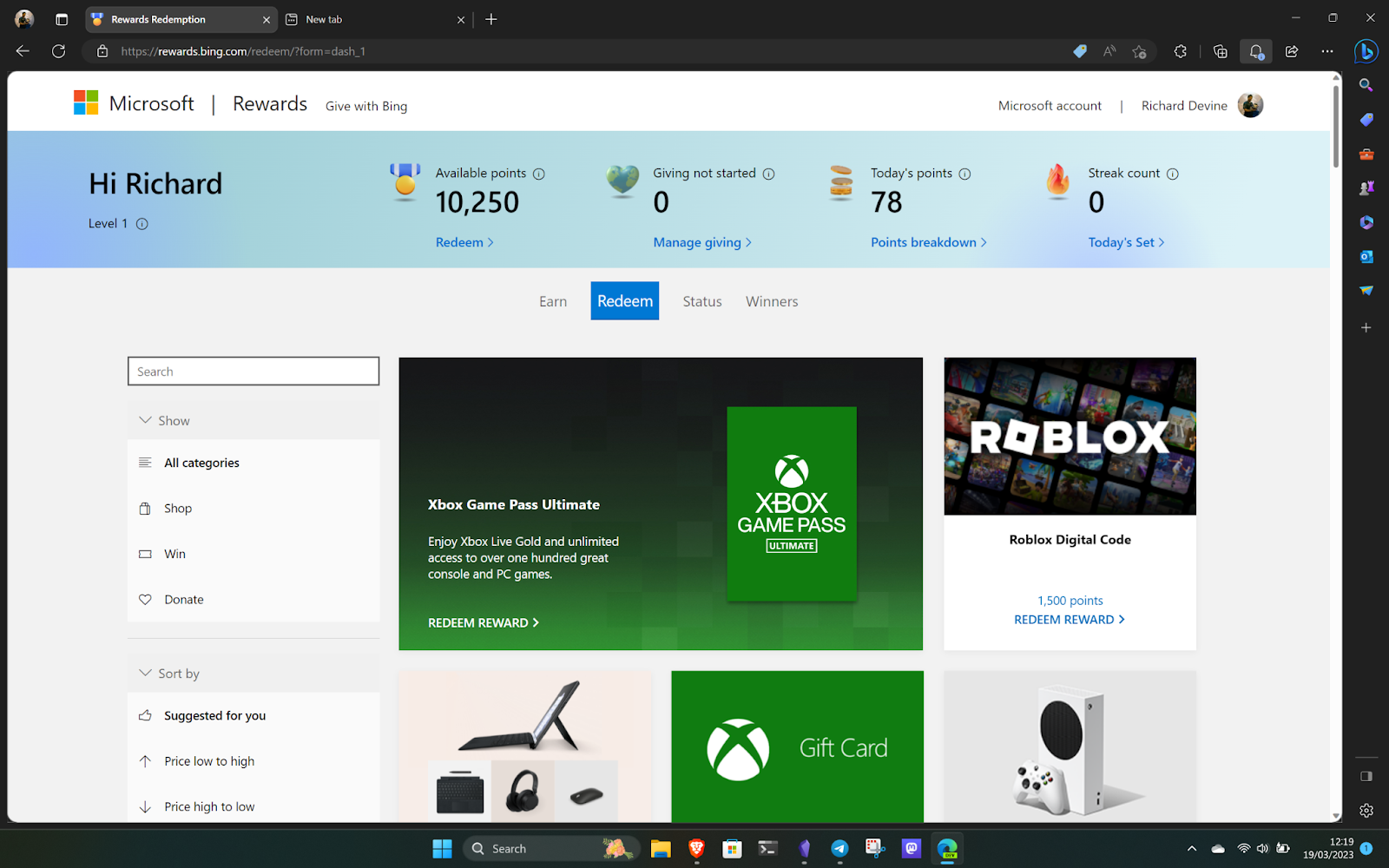
Microsoft Rewards leverage gamification. Source: https://www.windowscentral.com/software-apps/browsing/the-microsoft-rewards-program-is-seemingly-back-to-normal-with-users-getting-up-to-30-points-per-reward-again
The impact of sales and product gamification
When applied strategically, gamification in sales and product experiences can:
- Boost sales conversions with more compelling and free trials or demos.
- Increase product adoption by guiding users to key features.
- Enhance customer engagement with rewards for participation and interaction.
- Improve product quality by attracting user input and feedback.
If you integrate game mechanics into the sales journey and product experience, it can help you spark curiosity, sustain interest, and create lasting customer relationships.
Lifestyle gamification
Lifestyle gamification takes gamification elements like challenges, progress tracking, and reward management and applies them to everyday activities, helping people build better habits.
Many companies use the mentioned approach to encourage actions that benefit health, sustainability, and personal growth. Instead of relying on sheer willpower, users get an interactive, rewarding experience that keeps them busy for a long time.
Case study: OPower with gamifying energy conservation
Saving energy isn’t the most exciting task – at least not on its own. OPower, a company specialising in energy efficiency, realised that simply telling customers to reduce their energy consumption wasn’t enough. So, they introduced gamified feedback reports that compare a household’s energy use to similar homes in the area.
Customers could see how they ranked against their neighbours, with badges and positive reinforcement rewarding energy-efficient behaviours. This subtle mix of social comparison and recognition led to tangible, measurable changes: users consistently reduced their energy use after receiving these reports.
https://www.youtube.com/watch?v=w7SE-BD12b0
By making energy conservation a social and competitive experience, OPower turned an everyday responsibility into a meaningful and rewarding challenge.
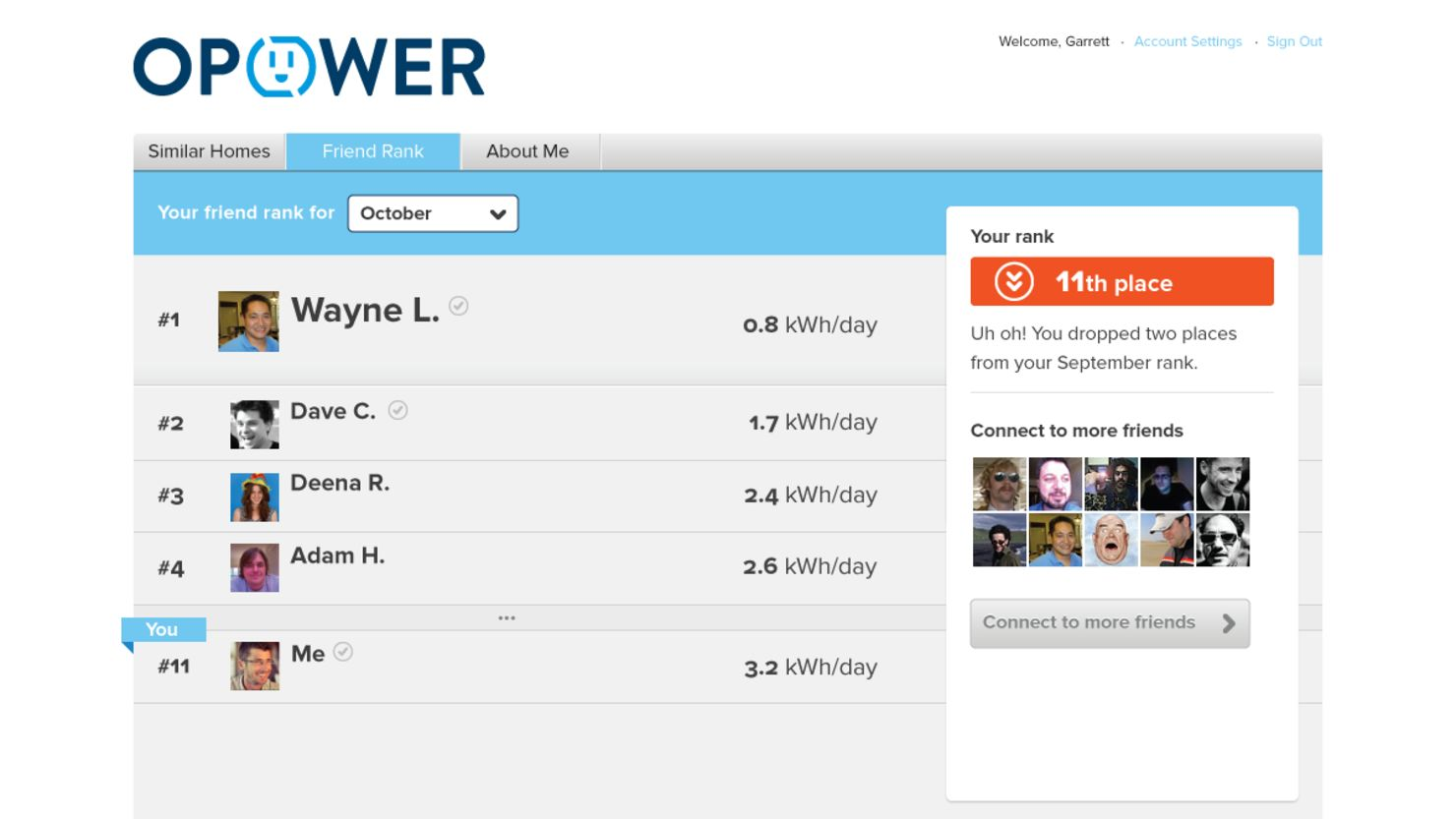
OPower as one of the gamification examples. Source: https://edition.cnn.com/2011/10/17/tech/social-media/opower-facebook-energy-app/index.html
Case study: Aetna making health and wellness engaging
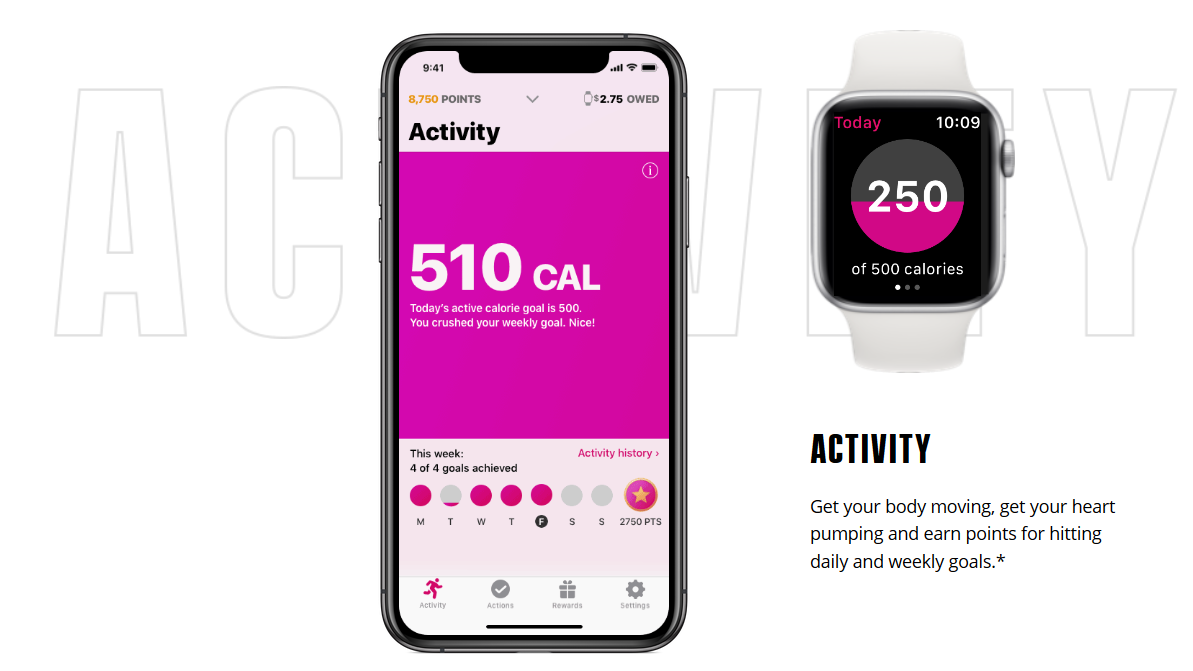
Aetna, a major health insurance provider, tackled a different challenge: getting people to adopt healthier habits. Instead of relying on traditional incentives, they introduced a gamified wellness mobile program app where people could track their activity, complete challenges, and earn rewards for making healthier choices.
Users received points for things like daily exercise, sleep tracking, and mindfulness activities, with personalised goals and milestones keeping them engaged. This approach led to higher participation rates, improved employee well-being, and lifelong behaviour change.
Aetna uses gamification to trigger proper user behaviour. Source: https://www.pcmag.com/news/earn-an-apple-watch-through-aetnas-new-wellness-program
Case study: Dacadoo driving health engagement through gamification
Dacadoo turns wellness tracking into an interactive and motivating experience. Instead of passive health monitoring, the platform uses game mechanics to keep users engaged in their fitness journeys.
A key feature is the Health Score, which updates in real-time based on activity, nutrition, and lifestyle choices. Personalised challenges encourage users to set and achieve health goals, while a reward system with badges, points, and social recognition reinforces progress.
Dacadoo makes health management dynamic and rewarding, thus enabling users to invest in long-term health and build sustainable commitment.
Read the full case study on Dacadoo and gamification.
The impact of lifestyle gamification
The viability of lifestyle gamification hinges on sustaining user interest and participation over time. When tasks are rewarding, interactive, and occasionally competitive, people are more likely to develop lasting habits without relying on constant short-term incentives.
When designed effectively, lifestyle gamification can:
- Entice sustainable habits through conservation efforts.
- Promote healthier lifestyles with challenges and rewards.
- Increase motivation through progress tracking and milestone celebrations.
- Create long-lasting behavioural change through consistent reinforcement of positive actions.
Be it to reduce energy waste, improve fitness, or encourage mindfulness, gamification taps into intrinsic motivation and makes everyday decisions more meaningful.
Employee engagement gamification
Keeping employees motivated isn’t always easy, especially when tasks start feeling repetitive. Gamification shakes things up by adding challenges, rewards, and friendly competition, making work more interactive and goal-driven. Leaderboards, achievement badges, and real-time progress tracking keep things exciting, while instant feedback helps employees stay on track. When work feels rewarding, people are more engaged, productive, and invested in what they do.
Case study: SAP with gamified training for employee engagement
SAP, a global leader in enterprise software, took a fresh approach to employee training with leaderboards and achievement badges. Instead of relying on traditional, passive learning methods, they transformed training into a lively and immersive experience.
Staff tracked their progress, earned recognition for key milestones, and participated in friendly competition, making the process more stimulating. This shift resulted in higher participation rates, improved knowledge retention, and enhanced job performance.
The game mechanisms presented create an interactive “playground” that allows employees to actively participate in building the skills needed for success.
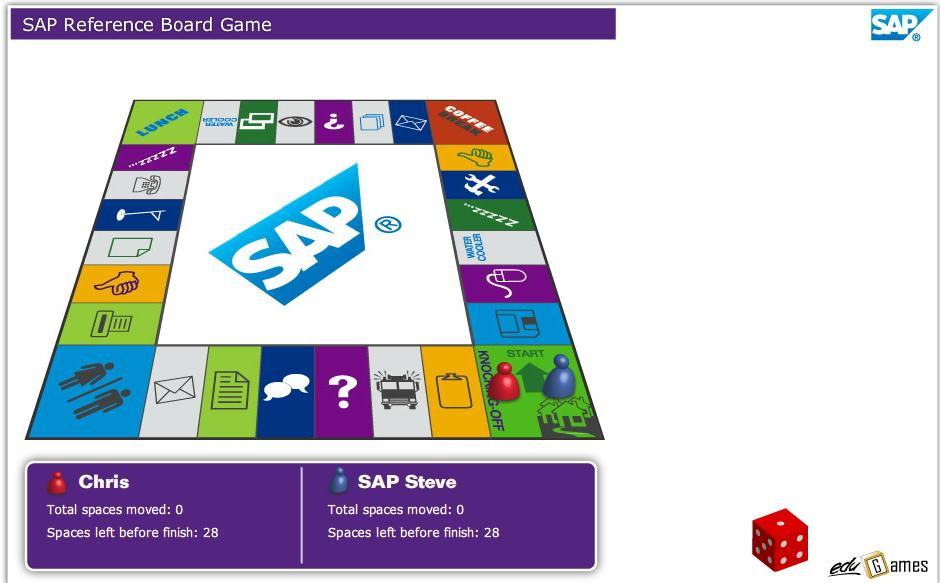
SAP Reference Board Game. Source: https://community.sap.com/t5/sap-learning-blog-posts/gamification-the-right-approach-for-corporate-learning/ba-p/12970751
Case study: McDonald’s with interactive simulations for better customer service
McDonald’s turned to gamification to upgrade employee training, particularly in customer service. Instead of using traditional manuals or static e-learning modules, the company introduced simulations where workers could practice handling customer interactions in a controlled, game-like environment.
These simulations provided instant feedback and allowed employees to refine their abilities in real time. As a result, workers became more confident in their roles, leading to faster onboarding, improved service quality, and higher customer satisfaction.
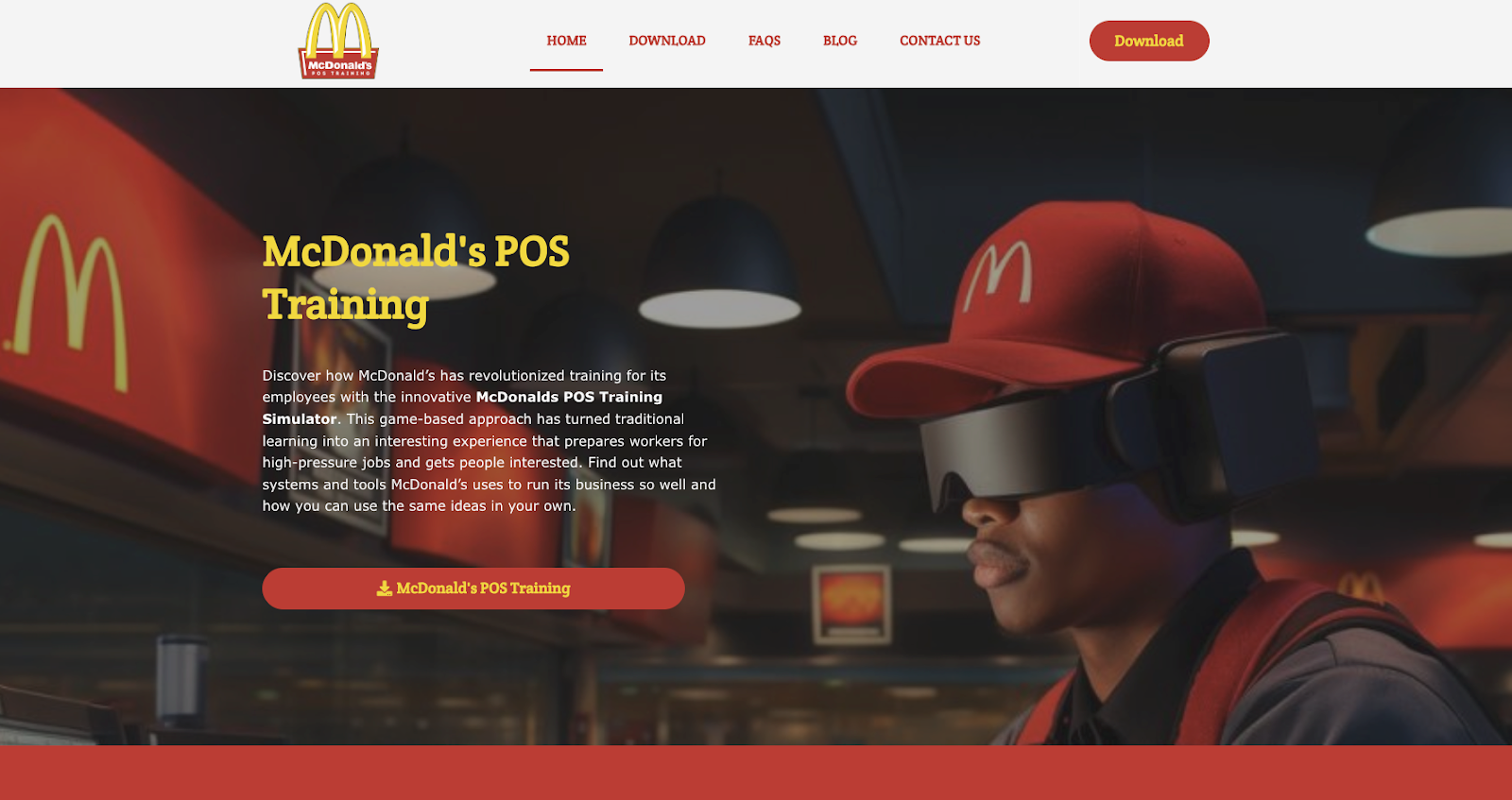
McDonald’s simulators. Source: https://mcdonaldspostraining.com/
The impact of employee engagement gamification
When implemented well, enterprise gamification can:
- Increase productivity with goal-oriented tasks.
- Improve training outcomes through participation and knowledge retention.
- Boost employee motivation with recognition and achievement-based rewards.
- Enhance customer service with well-trained and dedicated employees.
A recognised workforce is truly crucial to business success. Workers who feel valued are more likely to deliver exceptional customer experiences, stay committed to the company, and help build a strong workplace culture.
Make work enjoyable for everyone and see how incorporating gamification into internal processes creates an environment that stimulates continuous learning and collaboration while increasing productivity.
Plus, find out how to build an engaged loyalty team of loyalty champions in your case.
Gamification strategies
The right strategy turns a simple interaction into an ongoing journey where users feel rewarded, challenged, and connected. (We covered these aspects also in our Loyalty Trends Report 2025.) At its core, successful gamification is about understanding human psychology. People are naturally drawn to progress, achievement, and social interaction – and gamification taps into those instincts.
A well-designed strategy goes beyond surface-level rewards to create significant commitments that drive accurate business ROI.
So, what makes a gamification strategy truly powerful?
Personalised challenges and achievements
One of the biggest mistakes in gamification is assuming that all users respond to the same incentives. Some thrive on competition, others focus on self-improvement, and many are drawn to rewards that feel personally meaningful. And this is where personalised challenges and achievements make a real impact.
Personalised gamification adjusts goals, rewards, and difficulty levels based on an individual’s behaviour, preferences, and past interactions. Instead of a static, one-size-fits-all system, businesses can create vibrant experiences that evolve alongside the user. This keeps engagement levels high and ensures that participants feel challenged but not overwhelmed.
Key strategies for personalised gamification
To successfully implement personalised challenges and achievements, you should focus on the following strategies:
1. Dynamic goal-setting
Instead of generic progress markers, allow users to set their own goals or use AI-driven recommendations to suggest realistic yet challenging milestones. This ensures that users feel a sense of control over their journey.
✔ Example: A fitness app could analyse past workout data to suggest a slightly higher challenge for the next session, keeping the user progressing at a sustainable pace.
2. Adaptive difficulty and progression
A challenge that’s too easy is boring. A challenge that’s too hard is frustrating. Smart gamification adapts the difficulty level based on user performance to keep the experience on point.
✔ Example: Language learning apps like Duolingo automatically adjust lesson difficulty based on accuracy, ensuring learners remain challenged but not discouraged.
3. Personalised milestone rewards
Recognising achievements is important, but rewards should feel relevant and valuable to the user. Businesses can tailor rewards based on user preferences, behaviours, and loyalty status.
✔ Example: A retail loyalty program could offer early access to new products for high-spending customers while offering discounts or loyalty points to budget-conscious users.
4. Behavioural triggers and notifications
Personalisation is certainly about customising challenges, but on the other hand, it’s also about when and how users are prompted to take action. Well-timed nudges and reminders based on past engagement patterns can seriously affect participation rates.
✔ Example: A productivity app could detect when a user usually completes tasks and send a motivational reminder right before that time, reinforcing their habit.
5. Social and community integration
Personalised challenges don’t have to be solo experiences. Allowing users to compete against friends, join teams, or compare their progress with similar users adds an extra layer of engagement.
✔ Example: Nike allows runners to create custom group challenges, combining personal goal-setting with friendly competition.
Case study: Limango’s Family Star Program enhances customer loyalty through gamification
Limango, a members-only online shop catering to families, has effectively utilised gamification to boost customer engagement and loyalty. Through its Family Star program, Limango offers members opportunities to earn “family points” by participating in various challenges, which can be redeemed for rewards on future purchases.
Key gamification strategies include:
- Members earn points by completing specific purchase-related tasks, such as placing their first order.
- Points are awarded for engaging with the platform, like downloading the app or activating push notifications.
- Accumulating points allows members to advance through different levels, unlocking exclusive benefits and enhancing their shopping experience.
Implementing these gamification elements led to a 41% increase in average order value among active customers who completed targeted challenges. Additionally, purchase frequency tripled, with customers making more frequent purchases over three months.
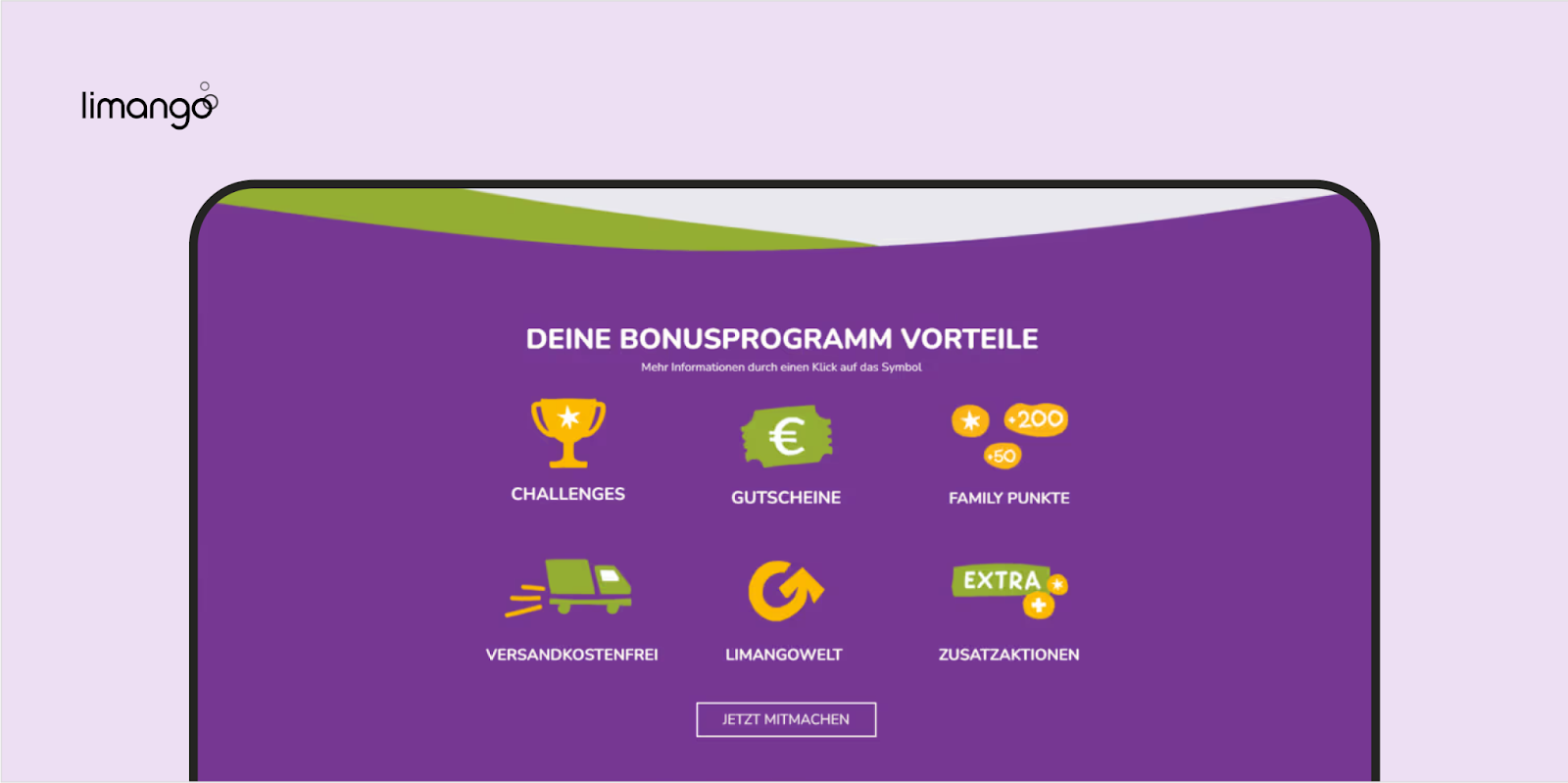
Limango Family Star program. Source: https://www.openloyalty.io/insider/loyalty-program-trends
Social competition and community building
Humans are naturally social beings. We seek connection, recognition, and a sense of belonging – especially when staying in touch with brands and products. That’s why social competition and community-building are among the proven gamification strategies for driving long-term relations.
Instead of focusing solely on individual achievements, these strategies leverage shared experiences to drive deeper engagement. Leaderboards, collaborative challenges, and social recognition inspire users to participate, compete, and connect with others, transforming interactions into a more memorable brand experience.
Key strategies for social competition and community building
To foster strong engagement through social gamification, you should focus on:
1. Leaderboards and competitive rankings
People are naturally driven by competition and progress, especially when comparing their achievements with friends, colleagues, or a wider community. Leaderboards introduce a competitive edge that motivates users to participate and improve. However, their success depends on thoughtful design. Companies should inspire dedication and progress, not frustration or lack of enthusiasm.
✔ Example: Instead of ranking every user globally, leaderboards can group users into tiers (for example, the top 10% of participants or the top performers in a local area) to ensure fair and achievable competition.
2. Collaborative challenges and team-based goals
Bear in mind that competition isn’t the only motivator. Many users thrive in collaborative environments where success is a shared experience. Team-based challenges foster cooperation, collective progress, and a sense of community, making achievements even more impactful.
✔ Example: A fitness brand could create regional step challenges, where participants join local teams and contribute their steps toward a shared goal, reinforcing team spirit and collective achievement.
3. Social recognition and status-based rewards
Gamification works best when users feel recognised and valued for their participation. Status-based rewards, such as exclusive badges, VIP access, or public acknowledgments, spur users to share their achievements.
✔ Example: Starbucks Rewards enhances its loyalty program with tiered membership levels (Green, Gold, and so on), unlocking exclusive perks and social recognition that give members a sense of status and belonging within the brand’s community.
4. User-generated content and social sharing
Allowing users to share progress, achievements, and experiences enhances engagement and strengthens community bonds. When users post about their participation, it prompts others to join, creating organic word-of-mouth marketing.
✔ Example: Fitness apps like Strava let users share running routes, milestones, and achievements on social media, reinforcing both competition and camaraderie.
5. Exclusive community challenges and VIP access
Building private, invite-only challenges for top users creates a sense of exclusivity and deepens brand loyalty. When users feel like they are part of a select group, they are more likely to remain engaged and advocate for the brand.
✔ Example: A brand could offer VIP leaderboard competitions where only the most engaged users get access to special events, products, or experiences, making participation feel more rewarding.
Case study: Fitbit turning fitness into a social game
Fitbit has redefined personal fitness with social-driven challenges and interactive features that keep users motivated.
Users can:
- Compete with friends in weekly step challenges.
- Join groups based on their fitness interests, such as marathon training or weight loss.
- Earn badges and milestones that recognise progress and consistency.
This structure builds lasting involvement, using goal-setting and community interaction to make fitness an ongoing and enjoyable experience.
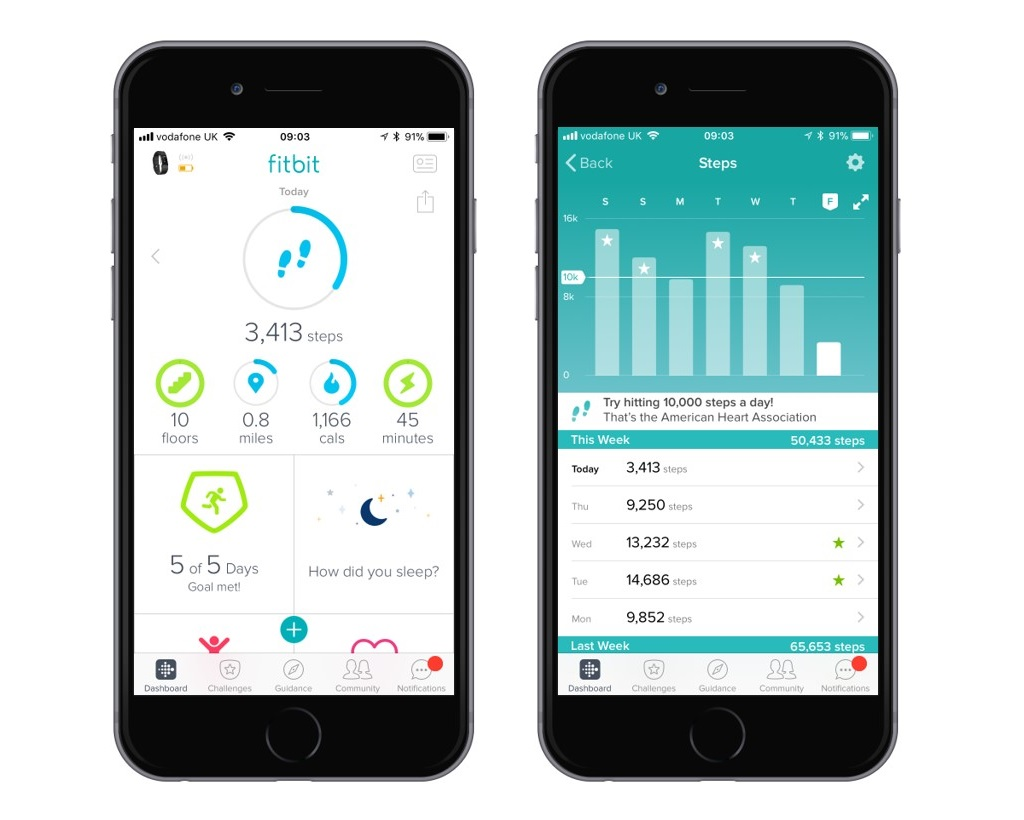
Fitbit app actively using game elements. Source: https://www.uxforthemasses.com/10-gamification-lessons/
Case study: The North Face XPLR Pass with team-based challenges
The North Face XPLR Pass transforms their gamified system by incorporating elements of outdoor experiences alongside purchases. The program involves members in real-world challenges that invite exploration while fostering a deeper connection to the brand.
Key gamification features of XPLR Pass include:
- Group-based challenges, where members log miles hiked or climbed to reach shared goals and earn rewards.
- Community recognition, with leaderboards highlighting top explorers and social sharing options to showcase achievements.
- Exclusive adventure rewards, granting early access to expedition gear and extraordinary outdoor experiences.
Such an approach strengthens brand loyalty while resonating with customers’ passion for the outdoors.
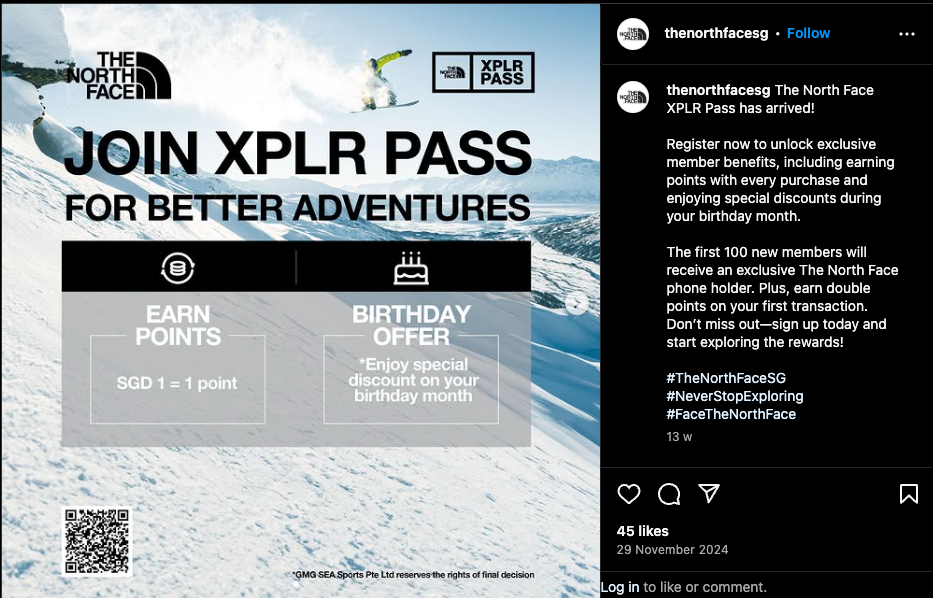
The North Face XPLR Pass together creates engaging experiences where users earn points. Source: https://www.instagram.com/thenorthfacesg/p/DC8OrbDMjMG/?img_index=1
Gamification can be your growth engine
Gamification is a powerful strategy for significantly boosting client loyalty, strengthening relationships, and driving measurable business results. By applying game mechanics to areas like customer loyalty programs, reward systems, employee training, or product adoption, businesses can create experiences that are inherently interactive, rewarding, and effective at building long-term habits.
For maximum effectiveness, strategies should prioritise components that genuinely resonate with customers, such as personalised challenges, social competition elements, and exclusive rewards. True success lies in designing experiences that are naturally enjoyable and centred on progress, achievement, and community, rather than merely superficial additions like points and badges.
When implemented thoughtfully, gamification excels at improving user retention, fostering deeper brand connections, and sustaining active user involvement. Businesses that adopt a game designer’s mindset and use superior gamification software can create truly lasting engagement.