
London remains one of the busiest cities in the world, especially when it comes to getting around. With an extensive public transport network and increasingly connected travel technology, making greener journeys is becoming easier for everyone. From live travel updates to contactless payments, digital tools help people plan trips, get around the city, and pay for their journeys with less hassle.
Technology alone won’t solve London’s transport emissions. However, by making public transport easier to access and use, it can help more people leave the car at home – or at least consider an electric alternative.
Making public transport easier with smarter technology
London’s transport network offers plenty of alternatives to driving, including the Underground, buses, trams, trains and cycling routes. The challenge is finding the best way to combine them, particularly when services change or journeys involve several connections.
One of the best solutions to this is digital journey planners. Digital journey planners make this easier. TfL Go, for example, provides travel information to help passengers plan routes and check live service updates so that Londoners can check their options before leaving home and make informed decisions if delays disrupt their usual commute.
Better access to travel information can also make unfamiliar journeys feel less daunting. Someone travelling across the city might combine a train with a bus, or walk part of the way rather than drive the entire distance.
That said, these tools don’t automatically make every journey greener, but their value lies in helping people find practical alternatives to private car travel. When public transport is easier to plan and more predictable, choosing it for everyday journeys becomes a more realistic option.
How transit payments are changing the way London travels
Paying for public transport has become much simpler than buying a separate paper ticket for every journey. London’s transition to Oyster cards back in 2003 and contactless technology has helped make travelling across different services far more convenient.
Passengers can use contactless payments across much of the network, including buses, the Underground, the DLR and London Overground. Rather than purchasing tickets in advance, they can tap in and out using an accepted card or device, depending on the service.
Fare capping adds another useful feature. When passengers make multiple journeys, their total fares are limited to the relevant daily or weekly cap, which ultimately makes costs easier to manage without requiring them to calculate every individual fare.
Simpler transit payments can also help visitors and occasional passengers get around London without needing to understand every ticket option before travelling – as there’s a lot, and it can become confusing, even for a local!
Let’s have a look at the tech that’s making travel and transport greener and easier for Londoners.
Contactless payments
Starting with the most obvious, and probably the most revolutionary, contactless payments have completely transformed how we travel across the world, not just London.
Passengers can use anything from their smartphones and bank cards to smartwatches to pay for their journeys. Not having to rush to a ticket machine and get a printed ticket not only saves time, but helps reduce paper wastage, as most tickets are only used once or twice before they’re discarded.
While contactless payments don’t necessarily directly cut emissions, they do help to make the passenger experience simpler and support a transport network where choosing a bus or train can be as convenient as possible.
Cleaner buses and smarter transport infrastructure
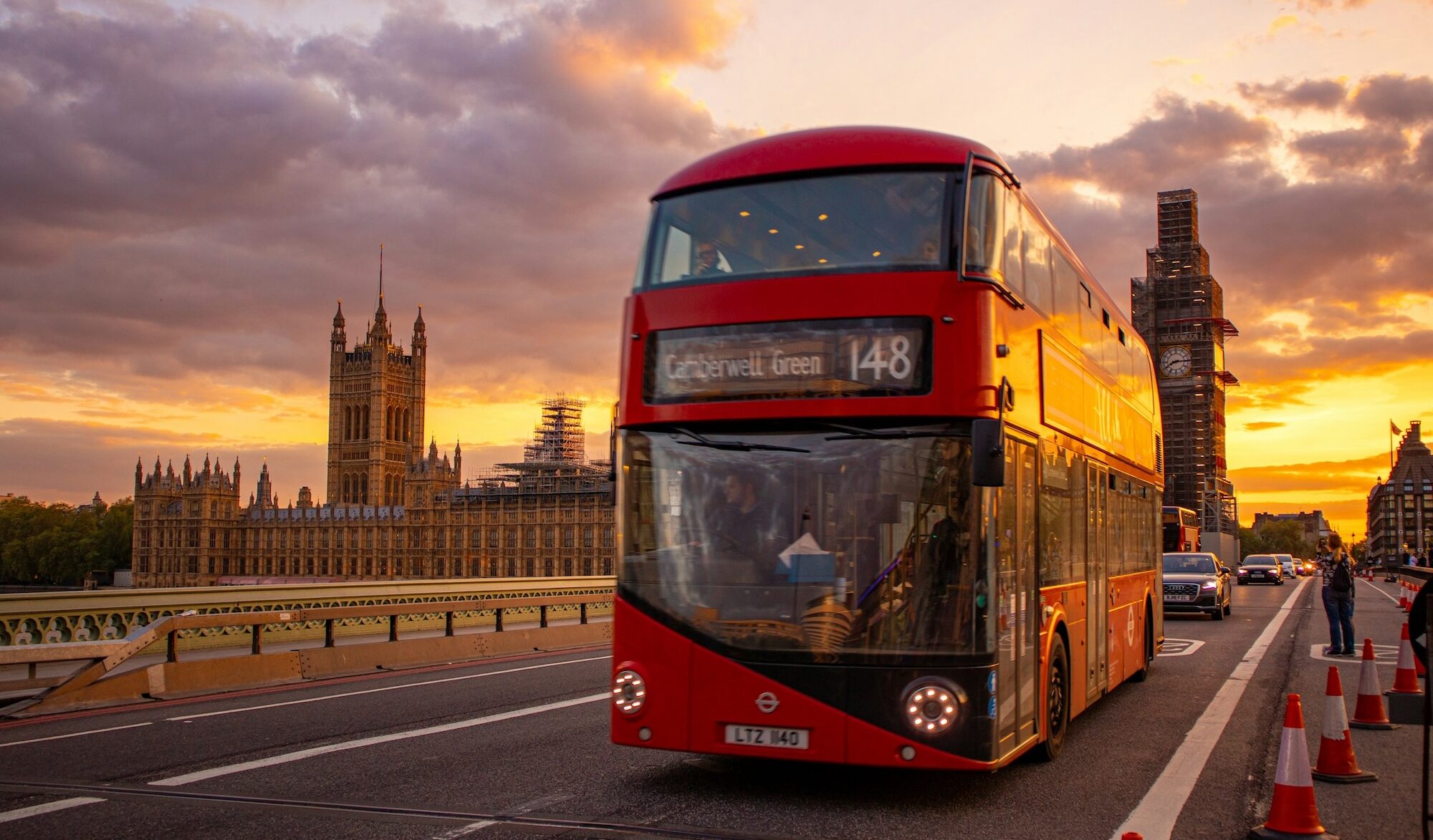
Using tech like LittlePay, which allows commuters to tap on and tap off, makes public transport much quicker and easier to use, and these cleaner vehicles are also important in reducing London’s transport emissions. One major development that has happened over the past few years is the growth of electric and zero-emission buses across the capital.
In fact, London now has over 2,600 zero-emission buses operating on over 100 bus routes in London, with another 1,500 on order, which will bring the total to 46 per cent of the fleet.
Unlike diesel buses, battery-electric buses produce no exhaust emissions while driving, which helps reduce roadside air pollution, particularly in busy areas where large numbers of vehicles share the same streets. However, their overall environmental impact still depends on factors such as electricity generation and vehicle manufacture.
Technology can also help buses run more efficiently; for example, using traffic signals that give buses priority can reduce delays and improve journey times. Better service information helps passengers plan around disruptions, while operational data can support decisions about routes and service frequency.
These improvements work best together, with cleaner buses reducing emissions from public transport, while reliable services give people more reason to leave their cars at home.
Connecting walking, cycling and public transport
We’re already seeing London becoming more pedestrianised, especially with the pedestrianisation of Oxford Street. And sustainable travel doesn’t have to involve choosing between a bus, train or bicycle. In fact, the most practical option combines several modes of transport to get people from their front door to their destination.
Again, digital journey planners are great for helping passengers get around more easily and efficiently. For example, someone might walk to their nearest station, take the train into central London and cycle the final stretch. Others might use a bus for part of their journey before walking the rest.
Apps and online services can also make cycling more accessible. London’s Santander Cycles scheme, for example, allows users to hire bikes through an app rather than having to go out and buy and store their own bike.
Combining transport options can reduce reliance on travelling by car (especially for shorter journeys), and walking and cycling also offer a great way to build physical activity into everyday routines.
Essentially, the easier it becomes to plan these journeys, the more likely people will entertain them.
Can transport technology make London greener?
Yes and no. Technology can definitely help Londoners make more sustainable travel choices, but it’s by no means a complete solution to tackling transport emissions.
Contactless payments, journey-planning apps and real-time updates remove some of the friction associated with using public transport, and cleaner buses and better infrastructure can make those journeys better for the environment, too.
However, people still need services that are reliable, affordable and accessible. Passenger rail performance in the latest quarter (1 April to 30 June 2026) has worsened, and there have been deteriorations in both punctuality and reliability compared with the same quarter in the previous year.
So we need to see some improvement in these areas, as things like poor connections, overcrowding or limited services can make driving feel like the only realistic option for some journeys.
Reducing emissions therefore requires investing in public transport, improving walking and cycling routes, and making cleaner vehicles part of the wider network.
The future of sustainable travel in London
It’s positive to see the changes being made to make London travel greener. Its transport network will continue to evolve as digital services and cleaner tech develop, and in theory, we should see a drop in emissions and more efficient journey planning.
Contactless payments already remove some of the hassle of getting around, while improvements to vehicles and infrastructure can help reduce the environmental impact of journeys. The next step is making these benefits work together across the wider network.
Small steps go a long way here, and greener travel doesn’t have to mean completely changing how they get around overnight. Small things like taking the bus instead of driving, cycling to a station, or using a journey planner to find a better route. With the right technology and investment, those small choices can add up to a more sustainable city.