
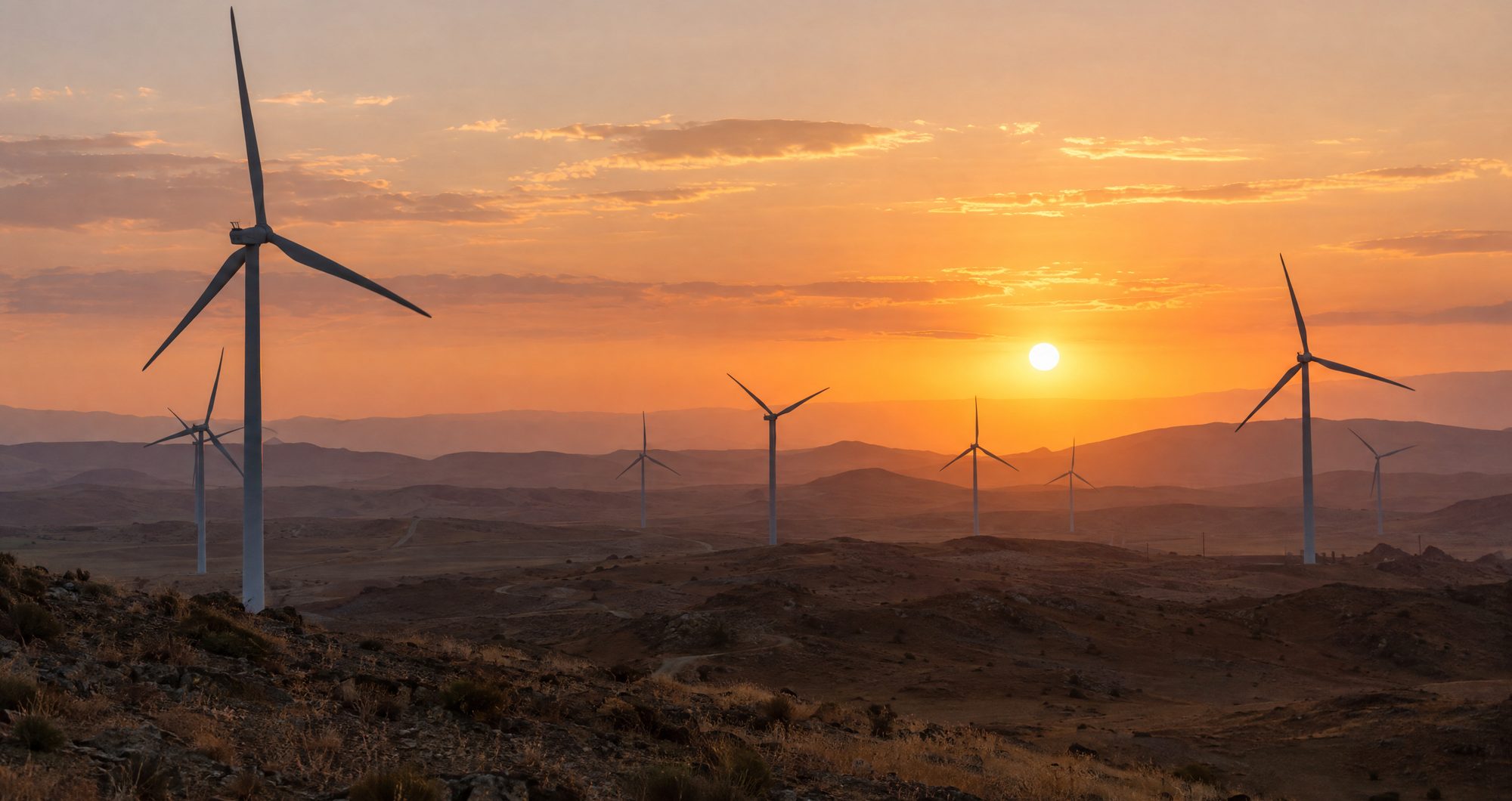

Turkmenistan has presented plans for a regional climate technology centre in Ashgabat, with discussions at the COP31 climate conference focused on water use, technical cooperation and the preparation of joint projects.
The concept was presented on 13 November at a session in Turkmenistan’s pavilion in Antalya, Turkey. Representatives of Central Asian countries, international organisations and development partners took part in the event, which was organised by the Turkmen side with United Nations agencies.
The centre is intended to begin work in early 2027. That timetable was announced separately at the conference’s leaders’ summit before the presentation. It is a planned start date, not confirmation that the centre is already operating or that its projects have been financed.
The proposed centre would be based in the Turkmen capital and would seek to introduce climate technologies, develop scientific and technical cooperation and attract international funding for regional projects. The presentation brought those aims together for discussion; it did not announce a new financing total or identify a completed project.
From technology to practical cooperation
At the panel session, participants discussed the centre’s priorities, its institutional development and the scope for international partnerships. A representative of the United Nations’ food and agriculture agency joined representatives from the region and other international bodies.
Efficient use of water was one of the subjects raised, alongside technologies suited to a changing climate, stronger regional capacity and the preparation of joint projects. Participants also emphasised continuing consultations with countries in the region and international partners ahead of the intended start of operations.
Climate technology can cover both ways of reducing greenhouse gas emissions and ways of adapting to impacts that communities are already experiencing. The 2024 concept included both purposes. A technology-sharing role would involve more than identifying an invention: countries would also need the expertise, funding and institutional arrangements to put suitable approaches to use.
How the proposal developed
Turkmenistan has promoted the centre for several years. In 2023, its president proposed an Ashgabat-based regional centre in a speech to the United Nations General Assembly. Later that year, the country’s environmental ministry and the UN environmental agency signed a memorandum of understanding that was described as a step towards establishing it.
A concept prepared for climate talks in 2024 envisaged the centre as a regional coordination and information hub. It proposed helping countries gain access to climate technologies, supporting applied research and bringing together regional priorities when seeking international finance. It also envisaged cooperation with existing national and regional institutions rather than replacing them.
The 2024 concept suggested a non-profit model, with Turkmenistan financing the first three years and a gradual move towards self-financing thereafter. Those were elements of an earlier proposal. The Antalya presentation did not set out a final budget or establish how the centre’s operations will ultimately be funded.
Why water crosses borders
Water management is a shared issue for Central Asia. The region’s major river systems connect countries, and snow and glaciers in mountain areas contribute to river flows used further downstream. Water supports farming as well as energy generation, creating a need to consider how and when supplies are available.
Warmer conditions can change the timing of snowmelt and river flows. Water arriving earlier in the year may not coincide with the period when crops need irrigation. Droughts and floods also pose different challenges for communities and the agencies responsible for managing water.
Regional cooperation can help countries compare needs and share expertise across those linked systems. The COP31 discussion identified water and climate-resilient technology as priorities, but did not specify which technologies the centre will deploy or where its first projects will take place. Those decisions, together with the practical arrangements for staffing, funding and partnerships, remain important to its planned launch.







