

For generations, booking “the room above the pub” was how most people in Bromley sorted a wake, a christening, a work Christmas do or a darts club presentation evening. It was cheap, it was local, and somebody else pulled the pints. That option is quietly disappearing. According to the British Beer and Pub Association, working with research partner NIQ, 161 pubs closed across England, Scotland and Wales in the first three months of 2026 alone, roughly two a day, a 26% jump on the same period last year.
That’s not just a story about where people drink. Every pub that closes takes its function room with it, and that room was often the default venue for exactly the kind of local, low-key event that still needs somewhere to happen. This piece looks at what’s actually being lost, why searches for pub function rooms in Bromley remain strong even as fewer of them exist, and where that demand is landing instead.
Two Pubs a Day: The Numbers Behind a Quiet Local Change
The BBPA’s figures for early 2026 aren’t a one-off blip. Net closures across the UK ran to 336 pubs in 2025, and the total pub count has fallen from 46,829 to 44,656 over five years, a loss of nearly 2,200. Around 2,400 jobs went with the Q1 2026 closures alone, roughly half of them roles typically held by younger workers.
None of that is unique to Bromley, but the effect plays out locally in a very ordinary way: the pub that used to host the school reunion, the retirement do or the monthly committee meeting simply isn’t there to book anymore, and whoever’s organising the event has to find somewhere else.
What Actually Disappears When a Pub Closes
A pub function room did more than provide four walls. It was usually:
- Free or cheap to book, often in exchange for a bar tab rather than a separate hire fee.
- Genuinely local, walkable for older guests and regulars who’d used the room for years.
- Flexible on notice, since a landlord who knew the group could often turn a booking around in days rather than weeks.
- The default venue for the less glamorous events, wakes, quiz nights, small club AGMs, that never had a big budget behind them in the first place.
None of that disappears cleanly when a pub shuts. It just means the people who relied on it are searching for an alternative, often for the first time in years, with far less idea of what a proper venue booking actually involves.
The Search Data Backs This Up
This isn’t just anecdotal. Search activity for “pubs with function rooms bromley” has generated real click-through traffic on local venue listings, evidence that people are still actively hunting for that specific, familiar format even as fewer genuine options exist locally. The demand hasn’t gone away. It’s the supply that’s shrinking.
So Where Do the Parties, Meetings and Wakes Go Now?
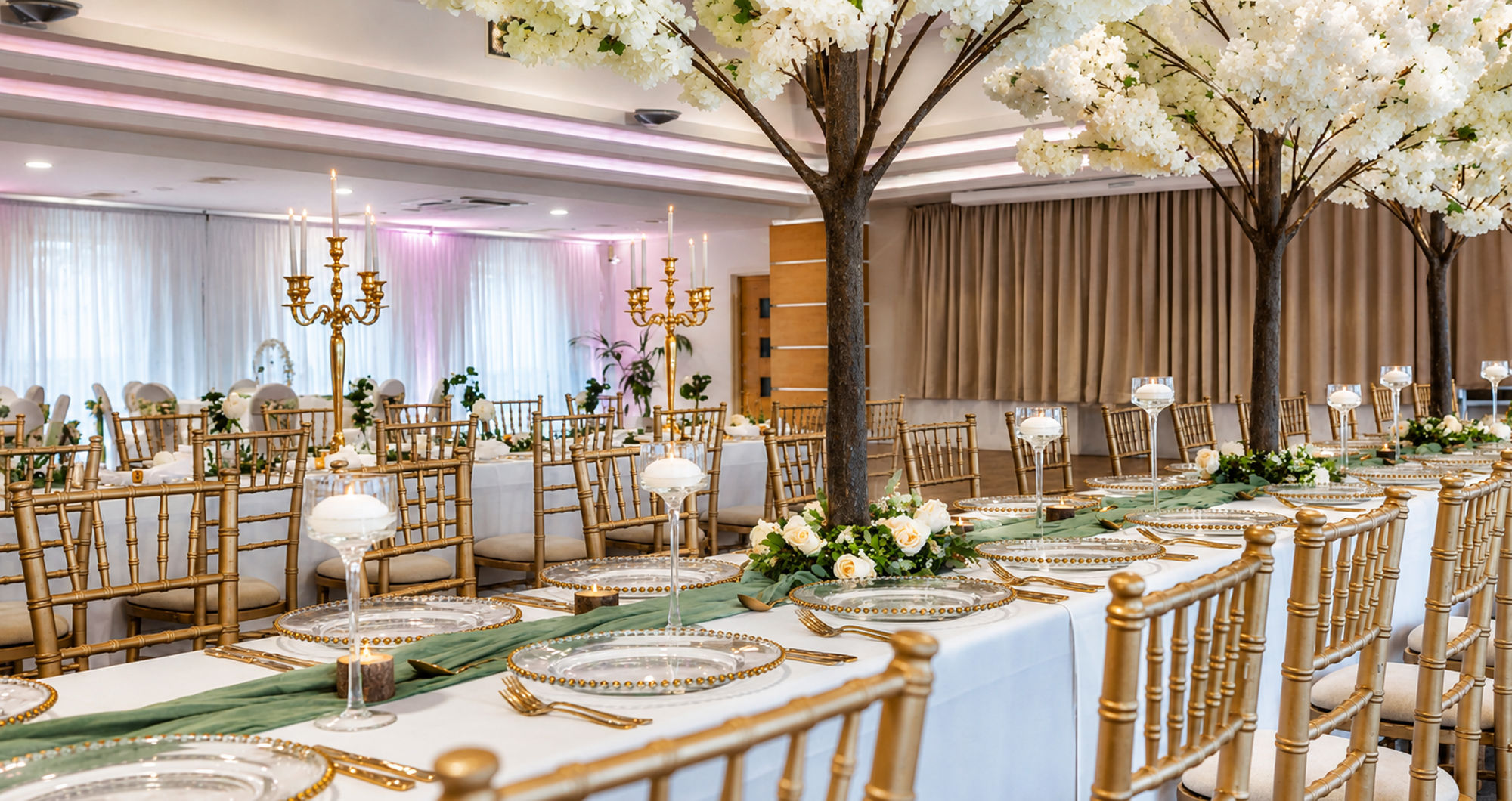
The gap left by a closed local is increasingly being filled by dedicated function venues, spaces built specifically for hire rather than pubs that happened to have a spare room upstairs. It’s a different kind of booking: usually a proper deposit, a minimum guest number, and a website rather than a landlord’s mobile number, but it also tends to come with things the old pub room never had, dedicated parking, in-house catering, and a room that can actually be laid out for the event rather than just cleared of bar stools.
For anyone in South East London facing this for the first time, it’s worth comparing options for Function Room Hire Bromley directly, since pricing and what’s included varies more between dedicated venues than it ever did between pubs, where the format was fairly standard.
What to Check When the Pub Round the Corner Isn’t an Option Anymore
Moving from a pub function room to a dedicated venue means asking questions that never used to come up:
- Is there a minimum spend or a flat hire fee? Pubs often waived a fee for a decent bar tab; dedicated venues usually charge one or the other outright.
- What’s included in that fee? Tables, linen, a sound system and Wi-Fi may or may not be bundled in, unlike a pub room where the fittings were simply whatever was already there.
- Is outside catering allowed? Some venues run exclusively in-house catering, which is a change for anyone used to bringing in sandwiches from the corner shop.
- What’s the deposit and cancellation policy? A pub booking was often informal and forgiving; a venue contract usually isn’t.
- Is there parking and step-free access? This matters more for older guests than it ever did for a pub within walking distance of home.
A Venue Built for What the Pub Used to Do
Some venues have effectively absorbed the role the local pub function room used to play, just at a larger scale. The Warren, a Grade II listed manor set in 22 acres near Bromley, is one example, hosting everything from wakes and christenings to retirement parties and corporate away days across rooms ranging from small private spaces to a hall licensed for up to 300, with catering and parking built into the day rate.
It’s a reminder that the format hasn’t vanished, it’s just moved from behind the bar to somewhere purpose-built for it.
Frequently Asked Questions
What’s the difference between hiring a meeting room and booking a day delegate rate?
Hiring a meeting room usually means paying for the room itself, by the hour or the day, with catering and equipment charged separately unless stated otherwise. A day delegate rate bundles the room, refreshments, a working lunch and standard AV equipment into a single per-person price, which tends to work out simpler to budget for a full-day session.
What’s the difference between renting a boardroom versus a standard conference room?
A boardroom is generally a smaller, more formal space built around a single table, suited to executive meetings or interviews. A conference room is typically larger and more flexible, able to seat a bigger group in theatre or classroom style, and better suited to presentations, training sessions or larger client meetings.
How is hiring a dedicated training room different from using a general conference room?
A dedicated training room is usually set up specifically for interactive sessions, with movable furniture, breakout space and equipment suited to workshops rather than a single presenter. A general conference room can often be adapted for training, but it’s worth checking the layout options before assuming it will suit a hands-on session.
How do boardroom rental options at dedicated venues compare to those at hotel business centres?
Dedicated venues often work out more cost-effective for a full day, since parking, catering and equipment are more likely to be included in a single rate. Hotel business centres can be convenient for a short meeting or when overnight accommodation is also needed, but extras are more commonly charged separately.
When is it worth paying a premium for a dedicated corporate venue over a standard hotel meeting room?
It tends to be worth it when the setting itself matters, for a client pitch, an awards event or a milestone celebration, where grounds, a private bar or a more distinctive space add something a standard hotel conference room doesn’t. For a routine internal meeting, the extra cost is harder to justify.
What should I know about function room hire cancellation and flexibility policies in the UK?
Terms vary considerably by venue, but it’s common for a non-refundable deposit to be taken at booking, with the remaining balance due somewhere between six weeks and six months before the event depending on its size. Always ask directly about rescheduling terms, since a pub landlord’s informal approach rarely carries over to a dedicated venue’s contract.
The Room Above the Pub Isn’t Coming Back
Two pubs closing a day isn’t a trend that’s likely to reverse quickly, and neither is the informal function room that used to come with each one. What’s changed isn’t the demand for somewhere local to gather, that’s clearly still there, but where people now have to look for it. For anyone used to booking the room above the local, the adjustment is less about finding a replacement venue than about learning to ask the questions a pub landlord never made necessary.







