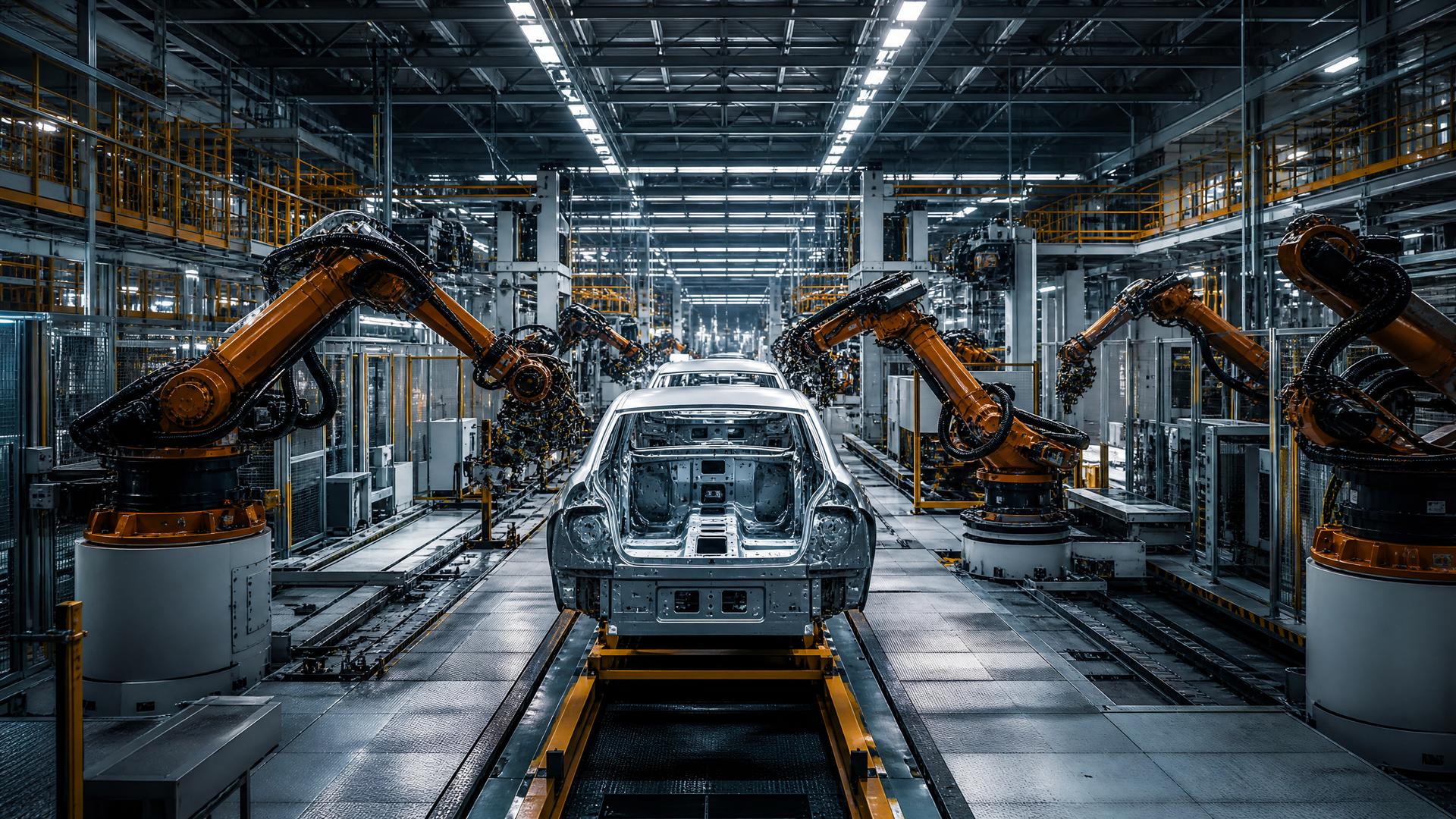

UK auto industry freezes factory investment amid electric vehicle mandate uncertainty
Manufacturing activity in the UK’s car sector has cooled as plans to invest in new factory equipment and retool plants are being put on hold amid uncertainty over the government’s zero-emission vehicle (ZEV) mandate for 2030. Workers and industry contacts warn that without clearer rules and long-term certainty, planned upgrades that would support battery-electric vehicle production may be delayed — with consequences for jobs, supply chains and the pace of the UK’s transition to electric vehicles.
Why investment decisions are being postponed
Automotive manufacturers and their supply chains make large, multi-year investment decisions based on regulatory certainty. A requirement that a rising proportion of new cars be zero‑emission by a given date shapes what models companies produce, which production lines they reconfigure and where they locate battery and assembly plants. Where the precise details or phasing of a mandate are unclear, businesses face a higher risk that expensive factory changes will become stranded assets.
That commercial logic is behind recent reports that some capital expenditure plans have been paused. Workers and industry contacts say the lack of firm, unambiguous regulations from the centre makes it harder for plant managers and boards to sign off on investments in battery assembly lines, stamping equipment or new automated paint shops that are optimised for electric vehicle (EV) models.
What the ZEV mandate aims to do — and where clarity is needed
The government’s objective to end the sale of new conventional petrol and diesel cars in favour of zero-emission alternatives is part of the UK’s wider net-zero and air quality commitments. Policy aims to accelerate adoption of battery electric vehicles, reduce tailpipe emissions and support the clean‑technology sector.
However, the industry needs clarity on the mandate’s timetable, compliance rules, any transition allowances for plug-in hybrids, and support measures for manufacturing and charging infrastructure. Clear, stable regulation allows firms to plan investment, lenders to underwrite projects and training providers to prepare the workforce.
For official detail on current UK policy positions and government commitments, read the Department for Transport and Cabinet Office material on plans for phasing out petrol and diesel vehicles and the remit of the Office for Zero Emission Vehicles: Office for Zero Emission Vehicles.
Implications for jobs, suppliers and regional economies
Any pause or slowdown in plant investment has a ripple effect. Re-tooling a car factory typically creates demand for local suppliers, engineering firms, and contractors, and supports apprenticeships and skilled jobs in manufacturing hubs across the UK. Delay to these projects can stall hiring, slow training and increase uncertainty for smaller suppliers who may already be operating on tight margins.
At the same time, a strategic shift towards electric vehicles presents opportunities: new battery and electric powertrain activities can create high-value jobs and attract inward investment. Policymakers and industry leaders must therefore balance short-term disruption with the potential long-term benefits of a successful transition.
What this means for Londoners and UK drivers
For residents in London and beyond, a temporary freeze on factory investment does not immediately change everyday options. But there are several practical considerations:
- Vehicle availability and choice: A disrupted manufacturing timetable could influence the range and supply of new EV models available to buyers, potentially affecting prices and delivery times for some models.
- Used-car market dynamics: Any supply disruption in new vehicles can reverberate into the used-car market, altering resale values and availability.
- Charging infrastructure and local air quality: The shift to EVs must be accompanied by expanded public and residential charging. Londoners can find information on local charging plans, ULEZ policy and guidance from Transport for London.
Commuters and drivers should also weigh public transport options, active travel and the growing network of charge points when planning vehicle purchases. For wider context on how transport policy affects city commuters, see our coverage in the transport section: Transport.
How government, industry and unions can act
Policymakers can reduce uncertainty by publishing clear, detailed compliance rules and transitional arrangements for industry. That includes transparency over phase-in rates, any exemptions, support for local supply chains and funding for skills and apprenticeships. Targeted incentives for battery manufacturing and charging infrastructure would make it easier for firms to commit capital.
Industry must also engage constructively with government and workforce representatives to provide realistic timelines for production transformation and to identify bottlenecks in the parts supply chain. Unions and worker representatives can press for training guarantees and redeployment plans so that the shift to EVs supports, rather than undermines, long-term employment.
Practical steps for prospective car buyers and households
While the industry sorts through investment decisions, buyers can take practical steps:
- Assess charging needs: Check home and local public charging availability before switching to an EV. Government guidance on home charging and grants is available via official channels such as the Office for Zero Emission Vehicles and GOV.UK.
- Compare total cost of ownership: EVs can offer lower running and maintenance costs; compare typical energy costs and any workplace or public charging schemes.
- Consider timing: If you are not urgently replacing a vehicle, monitor market developments for clearer model availability and incentives. For immediate commuting needs, review public transport or car‑sharing alternatives covered in our automotive section: Automotive.
Outlook: a pause, not necessarily a reverse
A temporary freeze on investment does not automatically mean the end of the UK’s EV transition. The challenge is to turn short-term uncertainty into long-term clarity. If government sets out a consistent, well-signposted path to 2030 and backs it with targeted measures for manufacturing, charging infrastructure and skills, investment is likely to resume — and the UK can secure the jobs and environmental benefits of a successful shift to zero-emission transport.
For now, stakeholders — from factory workers to city residents — will be watching closely for concrete announcements that remove doubt and unlock the next wave of industrial investment.