
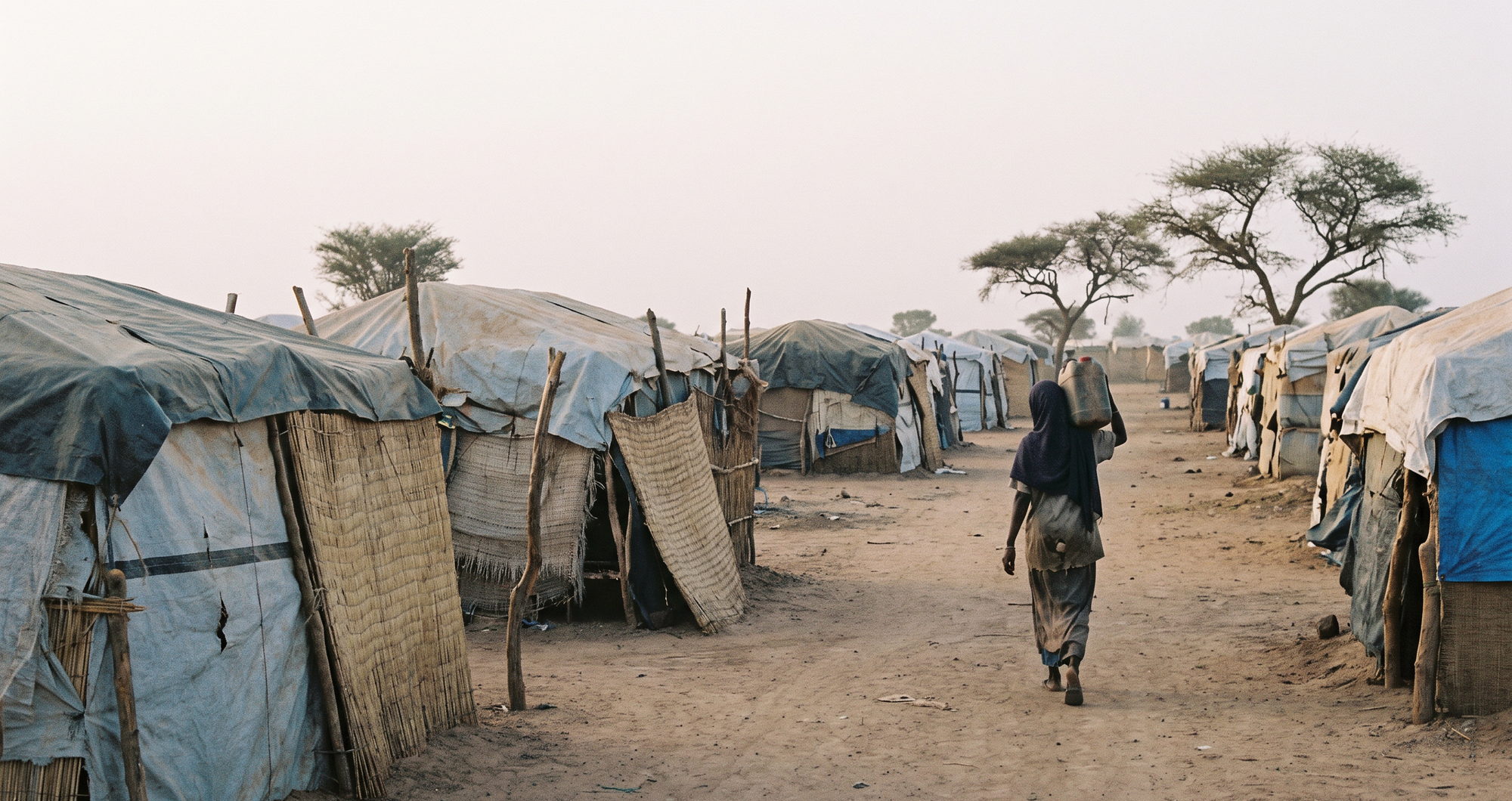

Two United Nations agencies warned on 6 November that 15.4 million people in Sudan urgently need emergency shelter and essential household items, while funding allows them to prioritise only about 10 per cent of those in need.
The funding gap
The UN refugee agency and the International Organization for Migration said they had assisted 936,000 people so far. The shelter caseload sits within a wider response: Sudan’s 2026 Humanitarian Needs and Response Plan requires $2.9 billion to reach 20.4 million of the 33.7 million people assessed as in need, and the appeal is only about 47 per cent funded. The gap between those two figures, 13.3 million people, is the part of the assessed need that the plan does not cover.
The shortfall has forced the agencies to scale back essential services and to concentrate on the most urgent cases. Their statement put the proportion they can prioritise at about a tenth of the 15.4 million people in need, and said funding is now the constraint on how many families can be reached.
With stocks running low, they said, families face the coming months without adequate protection from the elements and without the basic items needed to cook, sleep and keep warm. The agencies count emergency shelter and household items as a single caseload, which is why the tenth applies to both.
Displacement and returns
About 8.6 million people remain displaced inside Sudan. More than 4.6 million have fled abroad, and over 5.2 million have returned to their areas of origin, so the agencies are counting movement in both directions. Those returning add to demand for shelter in places where homes and infrastructure have been damaged.
Continued fighting, insecurity and drone attacks are driving further displacement and restricting humanitarian operations, the agencies said. Damaged infrastructure and logistical constraints are hampering the movement and pre-positioning of emergency supplies, which limits how quickly stock can reach the families who need it.
The warning was repeated at the United Nations briefing in Geneva on 6 November by the refugee agency’s deputy representative in Sudan, the same day the two agencies issued their joint statement. The figures are agency estimates rather than independently audited counts, and the funding percentage reflects contributions recorded against the appeal at the time of the briefing.
The appeal figure and the 10 per cent prioritisation rate measure different things: the plan’s overall funding against its requirement, and the share of the shelter and household item caseload that agencies can reach.
What happens next
The agencies did not announce a revised appeal or a new distribution target on 6 November. Their stated approach is to keep prioritising the most urgent cases within the money available, so the number assisted depends on fresh contributions and on stock becoming available. No timetable was given for the release of further stock, the agencies did not say how many people they expect to reach before the end of the year, and they did not say whether further cuts to services are planned.
For families in the affected areas, the immediate consequence is that shelter, bedding, cooking equipment and other household items will reach about one in ten of those who need them. Those not reached will depend on host communities, on their own resources, or on movement to places where assistance is available.
The figures issued on 6 November are the position as at that date, and any change in the percentage will follow from contributions recorded against the 2026 plan.







