

United Nations human-rights chief Volker Türk has urged Malaysia to stop returning Myanmar nationals after a reported air strike at a crowded market in western Rakhine State killed and injured civilians.
The strike hit Kyauktaw township on Monday, 28 September, according to accounts cited by United Nations officials. The office said at least 50 people were reported killed and at least 58 injured. It warned that the toll could rise, with many of those hurt said to be in a critical condition.
The deaths and injuries have not been presented as a final independently verified tally. Independent reports said details of the attack could not immediately be confirmed, but cited both the Arakan Army, which controls the area, and a rescue official who said workers at the scene had reported the casualties.
Strike reported at a busy market
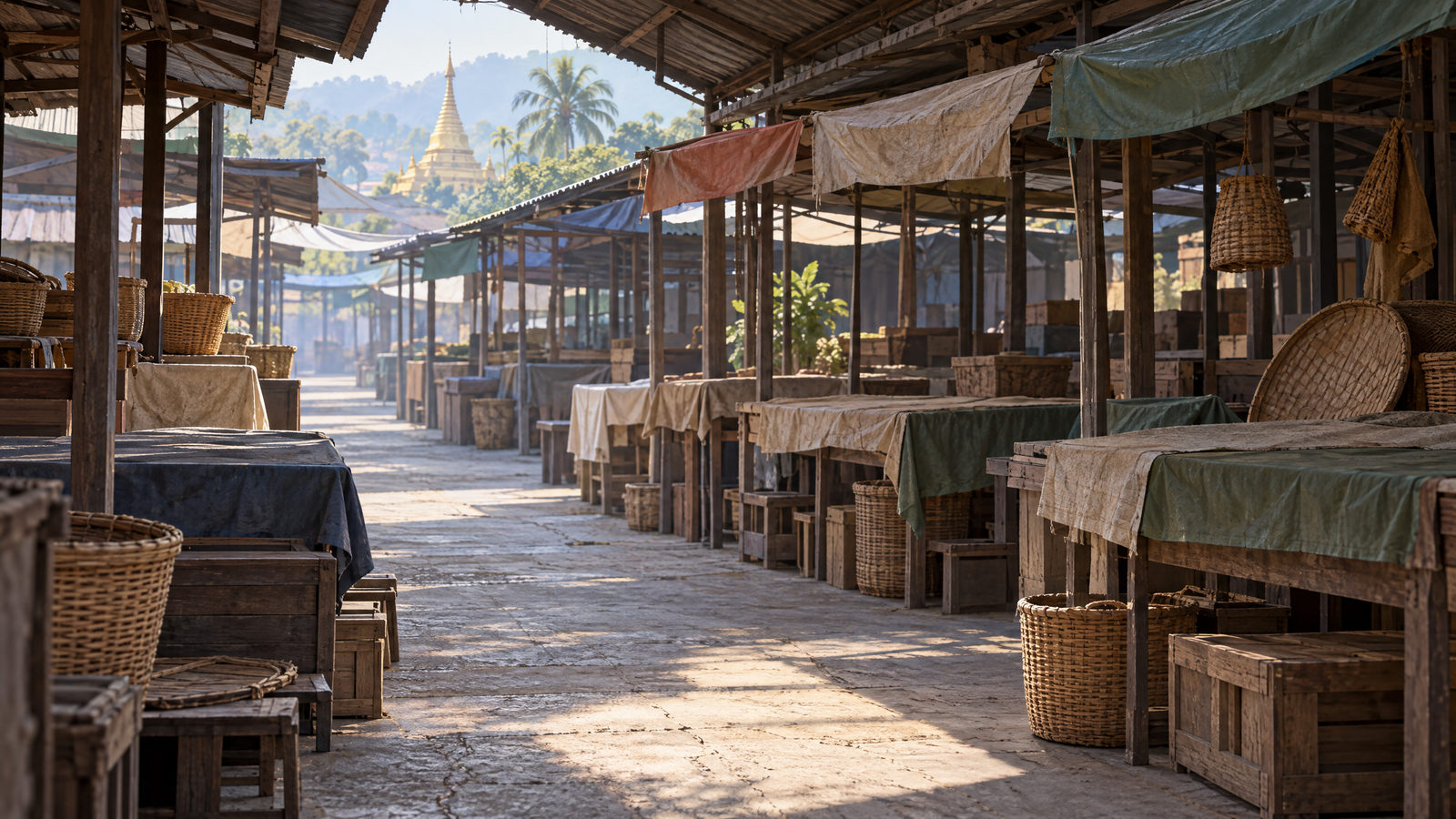
United Nations reporting said the market’s more than 200 shops were busy with vendors, customers and transport workers when forces from Myanmar’s military reportedly struck around midday. Women and children were among those reported dead.
The market was described as serving people from several communities, including Rakhine, Rohingya, Hindu and Daingnet residents. That mix is significant in a state where civilians have endured years of conflict, displacement and restrictions on movement and trade.
One independent account, based on a statement from the Arakan Army, said a fighter jet dropped two bombs near the market. That specific description remains an account from a party to the conflict rather than an independently established finding. Myanmar’s military did not immediately comment on the reported attack. It has previously said that it targets legitimate military objectives and seeks to avoid civilian harm.
Türk said the reported strike raised serious concerns about compliance with international humanitarian law. The United Nations secretary-general separately condemned the attack and called on all sides in the conflict to protect civilians and allow safe, sustained humanitarian access.
Returns plan under renewed scrutiny
The appeal to Malaysia came as a plan to return Myanmar nationals was beginning. The United Nations said the market strike occurred hours before Malaysia started implementing a programme that could involve about 5,000 people.
Reports said roughly 1,500 Myanmar nationals were returned in the first phase. Malaysian authorities have described the arrangement as voluntary repatriation, but the United Nations refugee agency said it had not been involved in identifying those being returned. The people concerned were reported to have been held in detention centres.
Türk said conditions in Myanmar were far from safe and sustainable, and called for the process to stop immediately. The United Nations position is that nobody should be sent to a place where they face a risk of persecution or torture. It said continuing violence in Rakhine underlined why the conditions for safe, voluntary returns were not in place.
Conflict context
Myanmar has been in armed conflict since the military seized power in a 2021 coup. The Arakan Army is one of several ethnic armed groups fighting the military and has taken control of large parts of Rakhine State, including Kyauktaw. The group’s territorial control does not remove the obligation on parties to protect civilians.
For families affected by the Kyauktaw strike, the immediate questions are whether the reported casualty figures change, how the injured can be treated and whether aid can reach the area. For those facing return from Malaysia, the United Nations intervention adds urgency to questions about how individual circumstances are assessed and whether any departure is genuinely voluntary.
The casualty reports, responsibility for the strike and the status of the returns remain matters requiring continued scrutiny. The latest United Nations intervention places both developments in the same humanitarian frame: civilians in Rakhine are still exposed to severe violence, while people outside the country may face serious risks if sent back.







