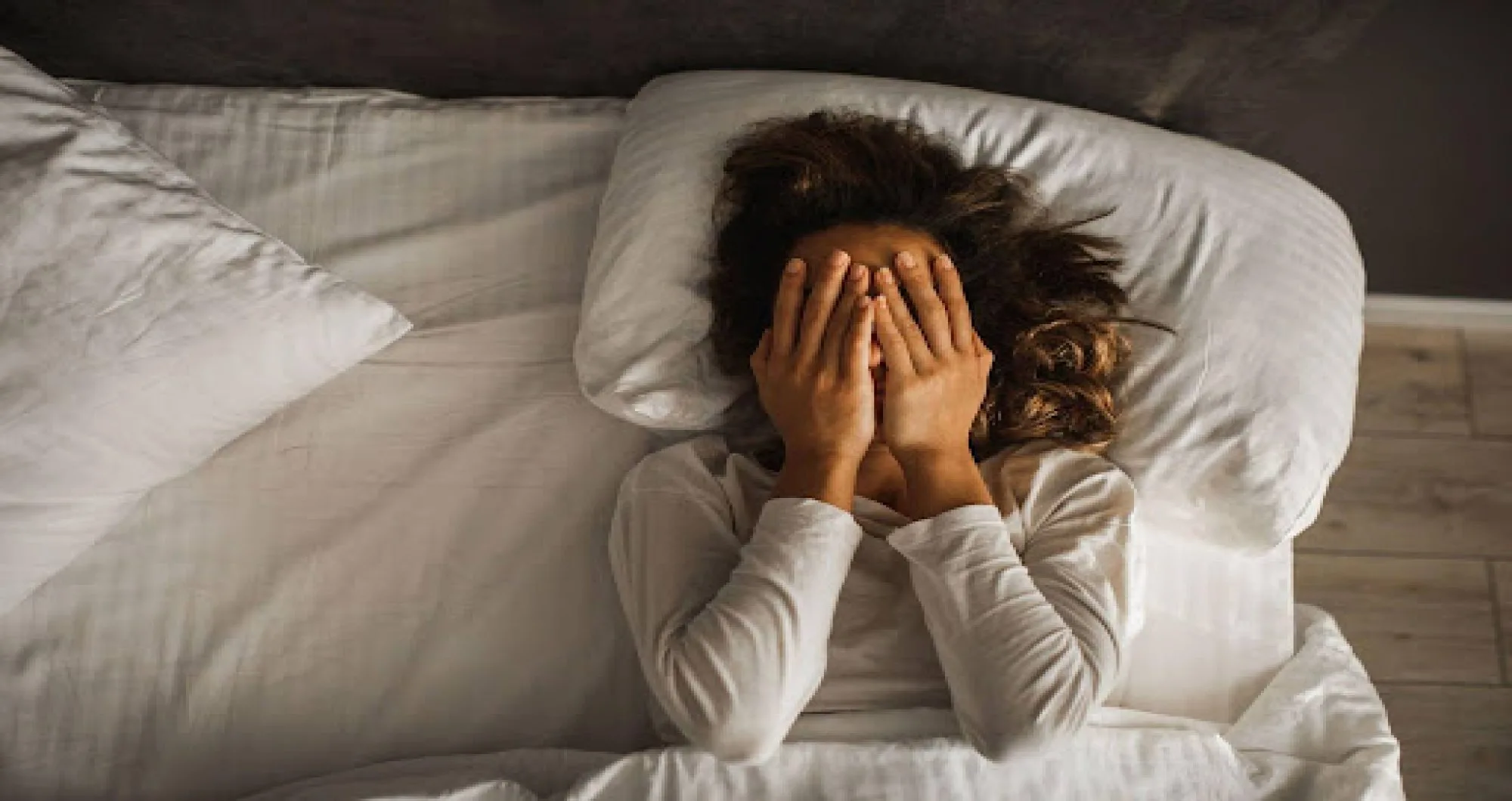

Sleep apnea is often associated with common symptoms like loud snoring or daytime fatigue, but there are lesser-known signs that may indicate the condition. Recognizing these uncommon symptoms can lead to earlier diagnosis and treatment.
This guide explores unusual signs of sleep apnea that you might be overlooking. For those seeking alternatives, a non-surgical solution for obstructive sleep apnea (OSA) may offer effective relief.
Morning Headaches
Morning headaches can be an unusual indicator of sleep apnea, often due to disrupted sleep and oxygen deprivation during the night. The frequent interruptions in breathing lead to reduced oxygen levels and increased carbon dioxide, which can result in headaches upon waking. These headaches may be persistent and dull or severe and throbbing. If you regularly experience headaches in the morning, it’s important to consider sleep apnea as a possible cause, especially if accompanied by other symptoms like snoring or excessive daytime sleepiness.
Excessive Daytime Sleepiness
Excessive daytime sleepiness is a common sign of sleep apnea that might be overlooked. Individuals with sleep apnea often experience fragmented sleep due to repeated breathing interruptions, leading to significant daytime drowsiness. This can manifest as a constant need for naps, difficulty staying awake during daily activities, or feeling unrefreshed despite a full night’s sleep. This excessive sleepiness can impact daily functioning, productivity, and overall quality of life, making it essential to address if it persists and affects your day-to-day activities.
Unexplained Mood Swings
Unexplained mood swings can be an indirect sign of sleep apnea. The poor quality of sleep and intermittent oxygen deprivation caused by sleep apnea can affect brain function and emotional regulation. This may result in irritability, depression, anxiety, or sudden mood changes. Individuals might find themselves unusually emotional or have difficulty managing stress. Recognizing these mood changes as a potential symptom of sleep apnea can prompt further investigation and lead to appropriate treatment, improving both emotional well-being and sleep quality.
Frequent Nighttime Urination
Frequent nighttime urination, also known as nocturia, can be a lesser-known symptom of sleep apnea. The condition often causes disturbances in sleep cycles, leading to increased urine production during the night. The body’s stress response to interrupted breathing can also affect fluid balance, prompting more frequent trips to the bathroom. If you find yourself waking up multiple times during the night to urinate, it’s worth considering whether sleep apnea could be the underlying cause, particularly if accompanied by other related symptoms.
Persistent Dry Mouth
Persistent dry mouth can signal sleep apnea, particularly when associated with mouth breathing during sleep. People with sleep apnea often breathe through their mouths due to obstructed nasal passages or airway blockages. This mouth breathing can lead to dryness, discomfort, and even dental issues. If you wake up with a dry mouth regularly and experience other symptoms like loud snoring or daytime sleepiness, it may be a sign of sleep apnea, warranting further evaluation and potential treatment to address both the sleep disorder and oral health.
Difficulty Concentrating
Difficulty concentrating can be an overlooked sign of sleep apnea. The fragmented sleep caused by repeated breathing interruptions leads to poor cognitive function and decreased alertness during the day. Individuals may struggle with focus, memory retention, and decision-making. Persistent daytime sleepiness and poor sleep quality affect cognitive processes, making it challenging to stay attentive and productive. If you find yourself frequently distracted or unable to concentrate, it’s important to consider sleep apnea as a potential underlying issue, especially if accompanied by other symptoms like snoring or excessive daytime sleepiness.
Snoring with Gasping
Snoring with gasping is a classic sign of sleep apnea. This condition involves loud, irregular snoring accompanied by periods where breathing stops or becomes very shallow. These interruptions in breathing often result in gasping or choking sounds as the body attempts to resume normal airflow. If your snoring is accompanied by these alarming gasps, it may indicate obstructive sleep apnea, which requires medical attention. Recognizing these symptoms can prompt further evaluation and diagnosis, leading to effective management and treatment to improve sleep quality and overall health.
Restless Sleep
Restless sleep, characterized by frequent tossing and turning, can be a sign of sleep apnea. The repeated disruptions in breathing cause fragmented sleep, leading to an inability to maintain a restful, continuous sleep cycle. Individuals may wake up multiple times throughout the night or have a sensation of not being able to get comfortable. This restlessness affects the quality of sleep and can contribute to daytime fatigue. If you experience restless sleep along with other symptoms like excessive daytime sleepiness or snoring, it’s worth exploring whether sleep apnea might be the cause.
Chronic Fatigue
Chronic fatigue is a significant symptom of sleep apnea. The condition disrupts sleep cycles, leading to inadequate rest and reduced energy levels during the day. People with sleep apnea may feel persistently tired, despite getting what seems like a full night’s sleep. This constant fatigue affects daily functioning, productivity, and overall quality of life. If you’re experiencing ongoing tiredness and lack of energy, combined with other symptoms such as snoring or difficulty concentrating, sleep apnea might be contributing to your chronic fatigue, warranting further investigation and treatment.
Increased Blood Pressure
Increased blood pressure can be an indirect effect of sleep apnea. The repeated episodes of oxygen deprivation and stress on the cardiovascular system during sleep can lead to elevated blood pressure levels. Over time, this condition can contribute to hypertension, which increases the risk of heart disease and stroke. Monitoring blood pressure and evaluating its potential link to sleep apnea is crucial for managing both conditions effectively. Addressing sleep apnea can help stabilize blood pressure and improve overall cardiovascular health.
Unusual Memory Problems
Unusual memory problems can be a subtle sign of sleep apnea. The frequent interruptions in sleep caused by the condition lead to impaired cognitive function and memory issues. Individuals may experience difficulties with short-term memory, recalling recent events, or retaining new information. These memory problems are often a result of poor sleep quality and lack of restorative sleep. If you notice a decline in memory or cognitive abilities, especially if combined with other symptoms like snoring or daytime fatigue, sleep apnea might be a contributing factor and should be evaluated.
Recognizing uncommon signs of sleep apnea, such as morning headaches, frequent nighttime urination, weight changes, mood swings, and persistent dry mouth, is crucial for early diagnosis. If you experience these symptoms, consult a healthcare provider to explore potential sleep apnea and receive appropriate treatment for improved health and quality of life.