

As people age or recover from an injury, surgery, or illness, moving around can become more difficult. Everyday tasks like walking, standing, or climbing stairs may feel harder than before. Changes in balance, muscle strength, and joint stability can make it easier to trip, fall, or hurt yourself. For seniors and caregivers, understanding these challenges and finding safe ways to move is very important. Using the right tools and following helpful tips can make life safer and more independent.
Common Mobility Challenges Seniors Face
1. Trouble with Balance
Balance is the ability to stay steady while standing, walking, or moving. Many older adults have changes in their balance due to ageing or health conditions. Eyesight, inner ear balance systems, and body awareness may not work as well as before. This can make everyday movements, like stepping onto a curb or turning quickly, riskier.
2. Weak Muscles
Muscles naturally get weaker with age, which can make standing up, walking, or lifting things harder. Weak leg muscles, in particular, can make it difficult to move safely. This can also cause fatigue, meaning seniors may tire quickly while walking or standing.
3. Stiff Joints
Joints can become stiff from arthritis, past injuries, or surgery. Stiff joints make it harder to bend, reach, or step safely. For example, getting out of a chair, climbing stairs, or stepping over small obstacles can become difficult and increase the risk of falling.
4. Low Energy or Endurance
Even if a senior can walk, fatigue can make it unsafe. Long walks, carrying groceries, or standing for a few minutes can tire the muscles and make balance worse. When energy is low, there is a higher chance of losing control and falling.
5. Changes in Thinking or Senses
Some older adults experience mild memory problems or slower thinking. Vision or hearing changes can make it hard to notice hazards, such as uneven floors, wet surfaces, or obstacles in the way. These challenges add to mobility risks.
How Limited Mobility Affects Daily Life
When movement becomes harder, it can impact many daily activities:
- Walking safely around the home or outside
- Standing up from chairs, beds, or toilets
- Climbing stairs or moving on uneven surfaces
- Carrying groceries, laundry, or personal items
- Taking part in social or recreational activities
Mobility difficulties can affect confidence and independence. Some seniors may avoid activities they enjoy or feel nervous about moving around alone, which can lead to social isolation or emotional stress.
How to Support Safe Mobility
Caregivers and family members can help seniors stay safe and independent by following some practical steps.
1. Make the Home Safer
Small changes at home can prevent falls:
- Install grab bars in the bathroom near the toilet and shower
- Remove loose rugs and clutter from floors
- Make sure hallways, stairways, and rooms are well lit
- Use non-slip mats in bathrooms and kitchens
2. Strength and Balance Exercises
Exercise can improve strength and balance. Simple exercises can include:
- Standing up from a chair several times
- Leg lifts or gentle knee bends
- Stretching arms, legs, and back
- Walking short distances regularly
Regular exercise helps maintain muscles, improves flexibility, and reduces the risk of falls.
3. Use of Mobility Aids
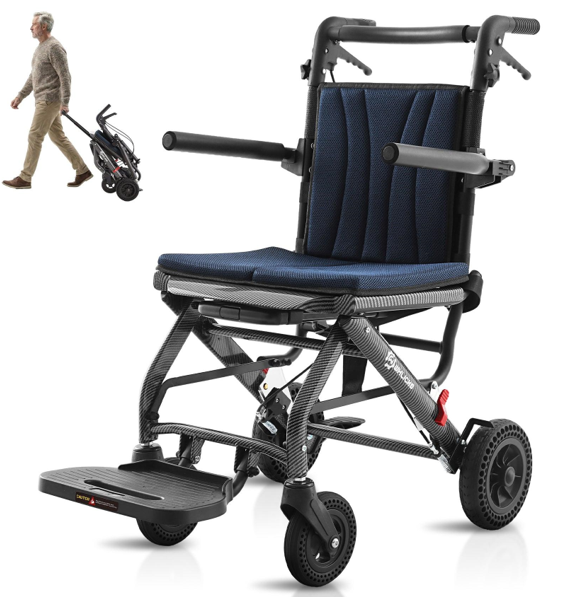
Mobility aids can make a big difference. These tools help seniors move safely, reduce fatigue, and maintain independence. Wheelchairs for seniors are a key example. They provide support when walking is tiring, help seniors move around safely at home or outside, and allow participation in activities without overexertion.
Wheelchairs come in different types, such as manual or powered. Choosing the right one depends on the person’s needs. A well-fitted wheelchair helps seniors sit comfortably, reduces strain, and keeps them stable while moving.
4. Choosing Safe and Reliable Equipment
When selecting mobility aids, it’s important to consider:
- Stability: The equipment should not tip over easily
- Ease of use: Seniors and caregivers should be able to operate it easily
- Comfort: Cushioned seats and adjustable footrests prevent discomfort
- Durability: Strong materials make equipment last longer
- Customizable features: Adjustable height, armrests, or footrests improve safety and comfort
Caregivers and families can find more information on safe mobility options on the WHLICKS official website, which provides guidance for choosing the right tools.
The Role of Caregivers
Caregivers play a key role in helping seniors stay mobile safely. Their support can include:
- Watching for signs of tiredness or unsteadiness
- Assisting with getting in and out of chairs, beds, or vehicles
- Encouraging gentle exercise or physical therapy
- Keeping floors clear and safe
- Teaching safe ways to move
By staying attentive, caregivers can reduce the risk of falls, help seniors feel confident, and maintain independence.
Encouraging Independence Through Safe Movement
Mobility challenges do not mean seniors have to lose independence. With exercise, a safe home environment, and tools like wheelchairs, older adults can continue doing the things they enjoy. Independence is not just about moving freely; it also includes confidence, dignity, and the ability to participate in daily life.
Using mobility aids can allow seniors to:
- Visit friends or family safely
- Go shopping without worry
- Attend social or recreational events
- Move around the house without constant assistance
Proper support helps seniors remain active, involved, and socially connected, which is essential for both physical and emotional health.
Tips for Everyday Safety
Here are some easy ways to make daily life safer for seniors:
- Keep frequently used items within easy reach
- Sit down when doing chores that take time or effort
- Wear sturdy, non-slip shoes
- Take breaks if feeling tired during walking or activity
- Keep emergency contacts or a phone handy
Even small changes in routine and environment can prevent accidents and make movement safer.
Conclusion
Mobility challenges are common as we age or recover from injury, but they do not have to stop seniors from living active, independent lives. Understanding the causes—like reduced balance, muscle weakness, joint stiffness, and fatigue—helps caregivers and families plan for safety. Simple steps such as home adjustments, exercise, and safe mobility aids like wheelchairs for seniors can make a big difference.
Caregivers are essential in supporting safe movement and teaching strategies that reduce risk. Families can learn more about reliable mobility solutions on the WHLICKS official website, which provides helpful guidance and resources. With the right tools and support, seniors can continue to enjoy everyday life, remain independent, and stay confident while moving safely.