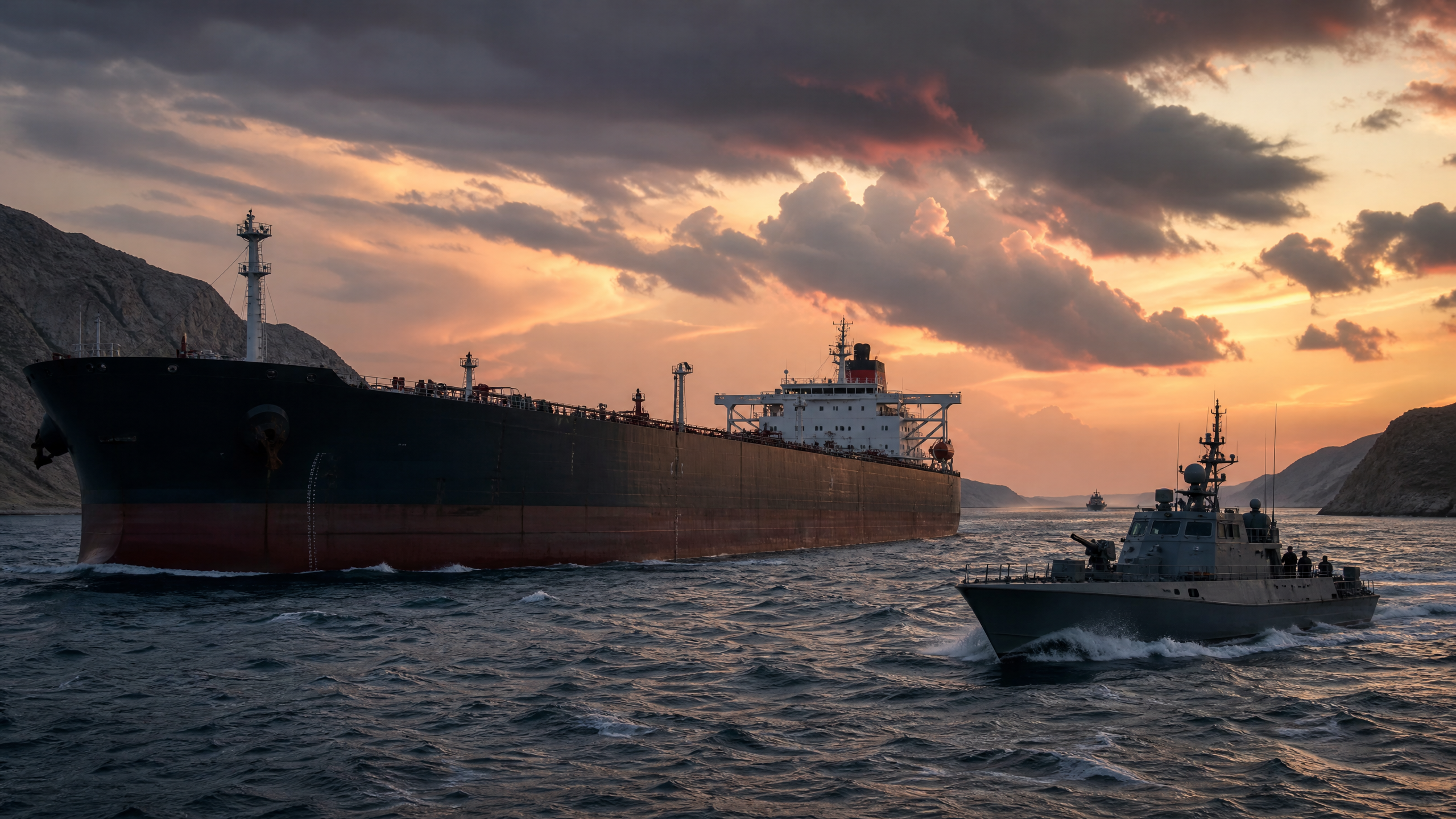

United States warplanes struck 10 Iranian military targets in and around the Strait of Hormuz on 28 June 2026, in a direct response to a one-way drone attack that hit the Panama-flagged tanker MT Kiku, United States Central Command said. Iran’s Islamic Revolutionary Guard Corps retaliated with ballistic missiles and attack drones aimed at facilities linked to US forces in the region, including the Ali al-Salem base in Kuwait and Port Salman in Bahrain, the IRGC said. The exchanges mark a flare-up weeks after a 14-point memorandum of understanding on de‑escalation was signed on 17 June, and they risk further destabilising a waterway critical to global energy supplies.
How the clashes began and immediate military actions
Centcom said US fighter jets struck a series of Iranian military targets, describing the operation as a measured response to continuing threats to commercial shipping. The strikes followed an attack in which a one-way, unmanned aerial vehicle struck the MT Kiku in the Strait of Hormuz earlier on 28 June. US military statements listed destroyed assets as including air-defence sites, communications equipment and drone storage facilities at multiple coastal locations.
The IRGC, however, said that US forces had attacked five coastal posts inside Iran, a claim that highlights sharply different accounts of the opening moves. In retaliation, the IRGC announced it launched ballistic missiles and strike drones against “eight key pieces of infrastructure” associated with US forces, naming the Ali al-Salem base in Kuwait and Port Salman naval facilities in Bahrain, home to elements of the US Fifth Fleet.
A US official speaking to Reuters said there were no reported US casualties and no major damage to US facilities following the exchanges, a claim echoed in US statements seeking to portray the actions as proportionate and targeted.
Ceasefire accord under strain
On 17 June the United States and Iran signed a 14-point memorandum of understanding intended to end hostilities and establish protocols for passage through the Strait of Hormuz. Both sides now accuse the other of breaching that agreement. Centcom said Iran had, by launching the attack on MT Kiku, refused an opportunity to honour the memorandum, while Iranian officials including the Foreign Ministry and senior political figures such as Mohammed Bagher Ghalibaf characterised the US strikes as violations of Iranian sovereignty and the ceasefire.
The sharp divergence in narratives underlines the fragility of the diplomatic framework that had briefly reduced tensions in the Gulf. International mediators and regional actors had hailed the memorandum as a first step toward normalising the perilous military dynamic in and around the strait, but the latest exchanges show how quickly incidents at sea can escalate into wider confrontations.
Regional reaction and defensive measures
Kuwait and Bahrain, the states closest to some of the targeted facilities, publicly confirmed activation of their air-defence systems and issued safety advisories as the exchanges unfolded. The Kuwaiti Armed Forces and Bahrain’s Ministry of Interior released messages urging residents to follow official guidance and avoid affected areas, as flights and maritime traffic were closely monitored.
Regional diplomats expressed alarm at the rapid escalation. Reports referenced statements from Oman’s foreign minister, Badr Al-Busaidi, and other Gulf interlocutors calling for restraint, and the BBC’s Tabby Wilson and Reuters provided near real-time coverage that underscored the risk to commercial shipping and local populations. The presence of significant international naval forces in the Gulf meant that the strikes were watched closely by partners and allies concerned about a miscalculation leading to wider conflict.
Context, prior incidents and wider implications
The latest violence follows a period of repeated attacks on commercial vessels in the Gulf. On 25 June, US forces launched strikes in response to a drone attack on the Singapore-flagged cargo ship MV Ever Lovely, an incident that Washington said warranted a defensive response. Analysts say the pattern of maritime strikes and counterstrikes raises acute concerns for the safety of merchant shipping and the insurance, routing and operational costs of commercial passage through the Strait of Hormuz.
In Washington, the exchanges prompted a sharp political reaction. Former US president Donald Trump posted on Truth Social warning Tehran that it might be necessary to “militarily complete the job,” adding, “the Islamic Republic of Iran will no longer exist!” The comment injected a volatile political dimension into an already dangerous military standoff and risks hardening positions on both sides.
For now, international shipping organisations and insurers will be closely monitoring the situation. Any sustained disruption in the Strait of Hormuz, through which a significant share of the world’s seaborne oil passes, could have broader economic consequences, pushing energy prices higher and complicating global supply chains.
Diplomacy and the prospects for de-escalation
Diplomatic channels are likely to be tested in the coming days. The 14-point memorandum was designed to create mechanisms to prevent incidents from spiralling, yet the latest exchanges show how difficult implementation can be in an environment where both sides retain capabilities for rapid, lethal response. Iran’s leadership has framed its actions as enforcement of maritime controls, while the United States has said it is protecting freedom of navigation and responding to threats to commercial shipping.
International actors, including Gulf states and third-party powers, face the task of pressing both Tehran and Washington to return to the negotiating table and revive the ceasefire arrangements before further incidents occur. Whether the memorandum can be salvaged, or whether it will be effectively sidelined by reciprocal military measures, remains uncertain.
Conclusion
The strikes on 28 June and the subsequent Iranian retaliation underline the volatile mix of maritime vulnerability and political brinkmanship in the Strait of Hormuz. While both sides signalled an intent to protect key interests, their immediate resort to force has put a short-lived pause to recent diplomatic progress and raised the spectre of a broader confrontation. Regional governments and international partners will now face pressure to revive effective mechanisms for de-escalation and to ensure the safety of merchant shipping through one of the world’s most important maritime chokepoints.
FAQ
Q: What triggered the US strikes on 28 June? The US Central Command said the strikes were a direct response to a one-way drone attack that struck the Panama-flagged tanker MT Kiku in the Strait of Hormuz.
Q: Were there any reported casualties or major damage to US facilities? A US official told Reuters there were no reported US casualties and no major impacts to US facilities following the exchanges with Iran.
Q: How does this affect shipping through the Strait of Hormuz? The exchanges heighten the risk to commercial vessels transiting the strait, which is a vital route for global energy supplies, and are likely to increase insurance and security costs until diplomatic measures can reduce tensions.