
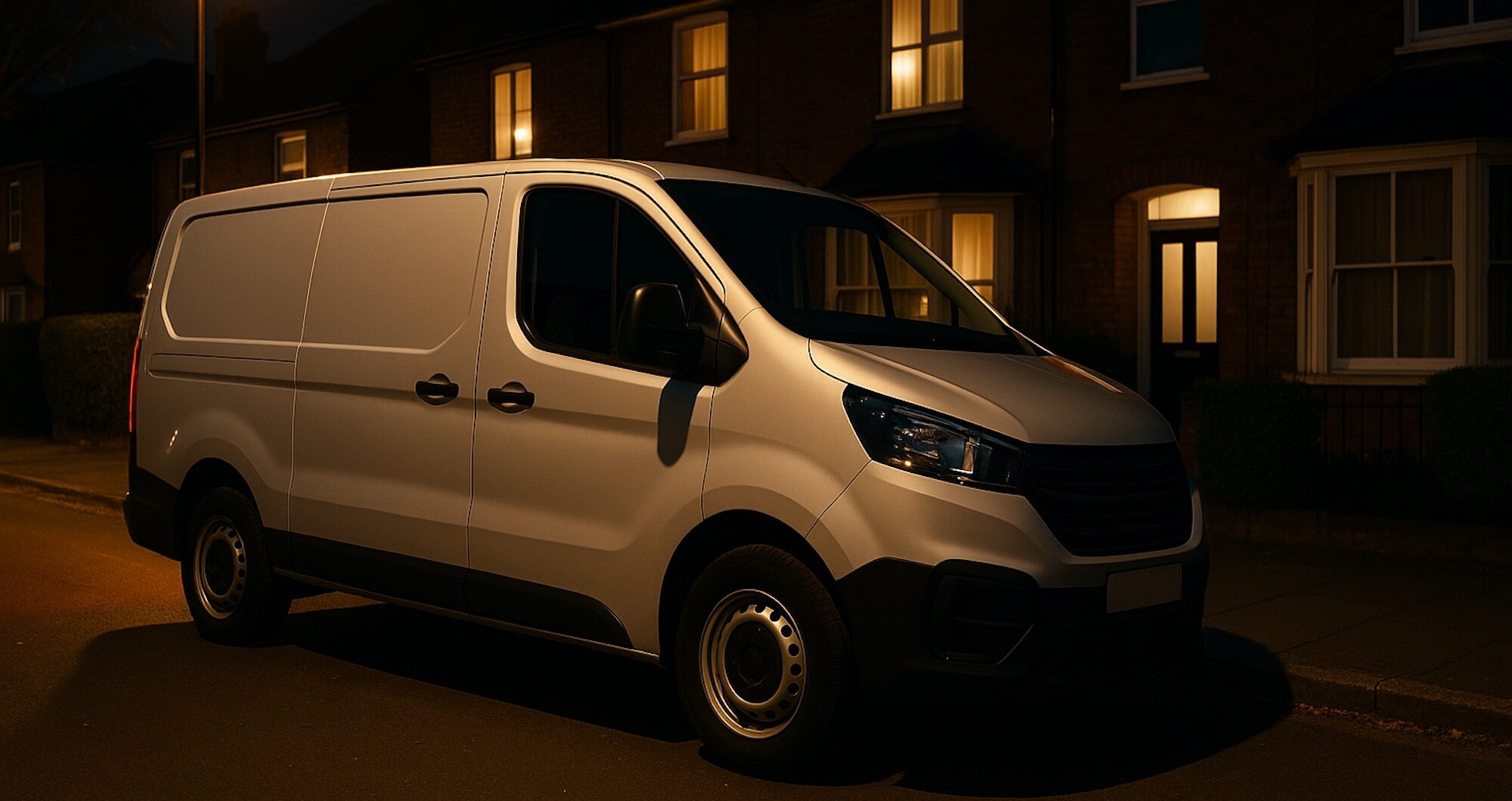

Criminals are increasingly targeting vans for high-value parts, while false injury claims and “crash-for-cash” scams push premiums back up.
Van drivers across the UK are being hit by a sharp rise in insurance scams and organised thefts, at the same time parts shortages and repair delays are driving higher claim values. According to insurer fraud teams and vehicle crime monitoring groups, vans are now one of the most targeted vehicles for catalytic converter theft and staged accident claims.
Industry data shows catalytic converter thefts increased by nearly 40% in 2024, fuelled by the high resale value of precious metals in hybrid exhaust systems. Vans are particularly attractive because converters are easier to access due to higher ground clearance and larger chassis. Once stolen, the van may be undriveable until repairs can be authorised — and repair delays are still being reported due to supply chain disruption for parts and workshop capacity.
Van drivers are being disproportionately targeted
Not only are vans being targeted more frequently, but thieves are finishing the job more quickly. Police forces in multiple regions confirmed that organised criminals can remove a catalytic converter from a van in less than 90 seconds. The impact goes beyond repair cost. For many UK drivers, especially those who use their van for work, being unable to drive means lost income.
While drivers often shop around using tools such as compare van insurance to reduce premiums, the rising number of theft-related claims increases overall market pricing.
Andrea Troy, spokesperson for Free Price Compare, says:
“Van insurance scams don’t just impact insurers — they hit everyday drivers who rely on their vans for income. People are being left off the road for weeks.”
False claims and “crash-for-cash” schemes are back
Insurers are also reporting a resurgence of staged accidents, where a criminal deliberately forces a collision to make an insurance claim.
These incidents often occur:
- At roundabouts
- In supermarket car parks
- At low-speed junctions
The victim appears to be at fault — but the fraudster has staged the crash. Claims investigators have reported that some criminals target vans deliberately, assuming they belong to workers who “won’t have time” to fight the claim.
Repair delays are inflating claim costs
A key factor pushing premiums up again is the rising cost and duration of repairs. Average repair waiting times have increased due to bodyshop capacity shortages and shipping delays for parts from Europe and Asia. Drivers sourcing cheap van insurance are being caught out when their repair bill exceeds the value of the policy excess and courtesy van costs — especially when downtime means a loss of income.
Andrea adds:
“Drivers assume price is the most important factor when choosing insurance, but the real question is how quickly they’ll be back on the road if something goes wrong.”
Claims inflation is reversing recent premium drops
Just months after van insurance premiums fell year-on-year, insurers are now signalling that the downward trend may reverse.
Why premiums are rising again:
| Driver impact | Cause |
|---|---|
| Higher repair bills | Increased parts and labour cost |
| Longer repair delays | Fewer bodyshops + parts shortages |
| More theft claims | Catalytic converter thefts rising |
| Fraudulent injury claims | Crash-for-cash staging |
Insurers warn that if claim frequency continues, premiums will return to levels seen in 2022 and early 2023.
Electric vans are affecting risk models
Another change affecting pricing is the rise in electric vans. While generally cheaper to maintain, repairs involving battery systems or specialist electric drivetrain components can be costly and involve high-voltage certified technicians. Drivers considering switching often research electric van insurance because pricing varies significantly between insurers depending on how much experience they have with EV claims.
Andrea explains:
“Electric vans can be cheaper to insure if the risk profile is lower, but costs rise when replacement parts are expensive or repairs require a specialist workshop.”
How drivers can avoid being overcharged for insurance
Van drivers are being urged to:
- Park facing walls or close to obstacles to block access to catalytic converters
- Install dashcams (some insurers offer premium discounts)
- Avoid auto-renewals — insurers rely on drivers not switching
Many are turning to van insurance quotes to compare multiple insurers at once, particularly at renewal.
Andrea concludes:
“We’re encouraging drivers to challenge renewal prices and not auto-renew. Loyalty doesn’t pay — switching does.”







