
Vibe coding is building software by describing what you want to an AI assistant and accepting the generated code with little or no line-by-line review. It is effective for prototypes but risky in production. Before release, run an AI code audit covering security flaws, duplication, hidden dependencies, and missing tests to prevent technical debt.
Vibe coding has moved from weekend experiments to real product work. A founder describes a feature, an assistant produces the code, the demo runs, and the change ships. For a prototype, that is a fair trade.
The trouble starts when the prototype becomes the product. Code that no one fully read now handles payments, customer data, and integrations. Veracode’s 2025 GenAI Code Security Report found that roughly 45% of AI-generated code samples contained security flaws. Speed has arrived. Review has not.
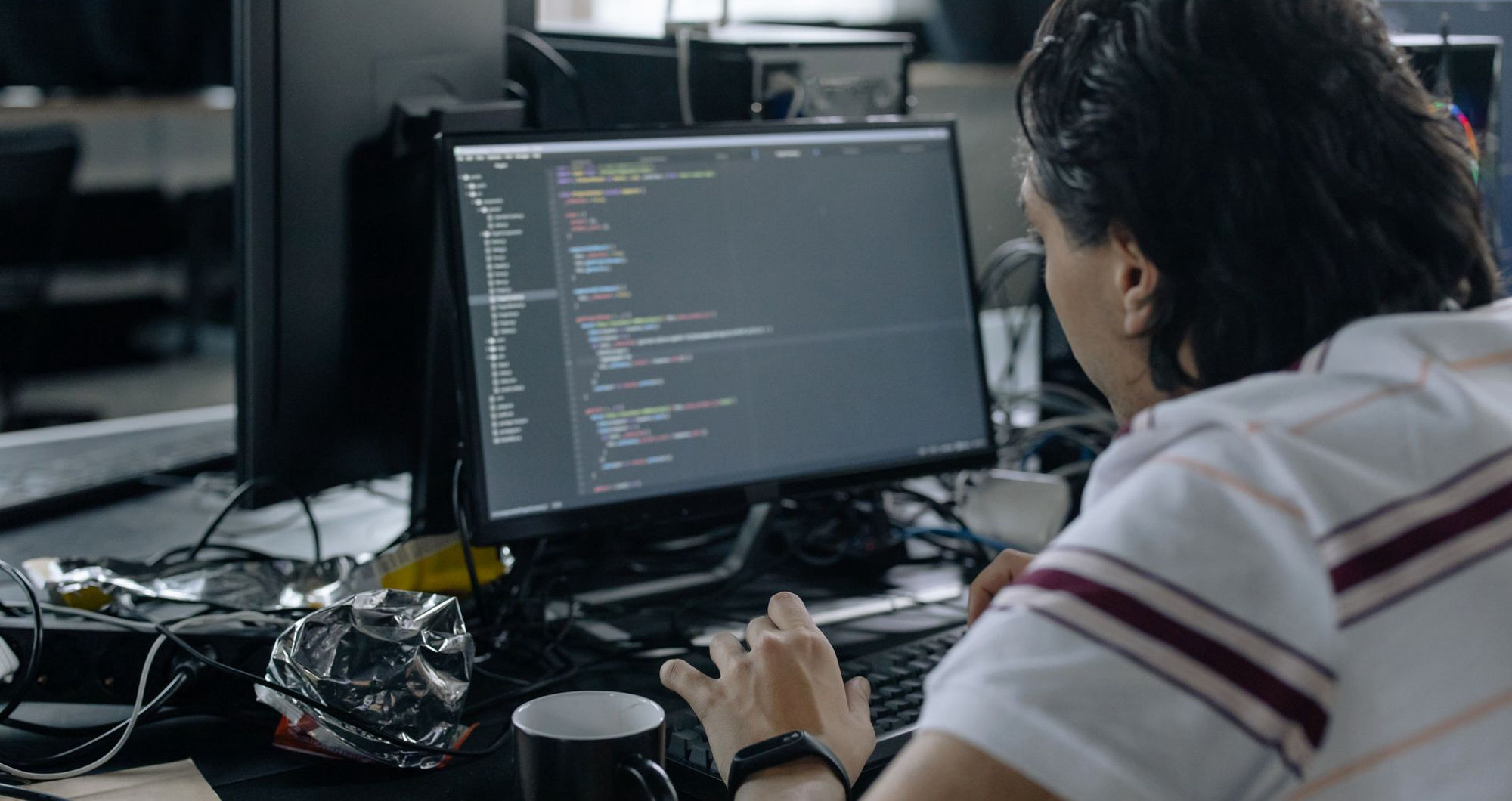
Audit workflow for vibe coding output before production release Alt text: “Vibe coding audit workflow checking AI-generated code before production release”
What is vibe coding, and where does it fit?
Vibe coding is a style of development where the developer guides an AI tool through natural-language prompts and judges the result mainly by whether it runs. The term gained wide use in 2025.
It fits well in disposable work: internal scripts, UI mockups, proof-of-concept demos, and one-off data tasks. It fits poorly in systems that handle money, personal data, or long-term maintenance, where someone must understand every decision the code makes.
Why does AI-generated code become technical debt?
AI-generated code becomes technical debt when it works today but is hard to understand, change, or secure tomorrow. The code is usually plausible and syntactically clean, which makes problems easy to miss.
Common sources of debt include:
- Duplication. Assistants often generate fresh code instead of reusing what exists. GitClear’s analysis of 211 million changed lines found a sharp rise in duplicated code blocks and a decline in refactoring.
- Inconsistent patterns. Each prompt may produce a different style, library, or error handling approach.
- Hidden assumptions. Generated logic often covers the happy path and ignores nulls, timeouts, and concurrency.
- Unverified dependencies. Assistants sometimes suggest packages that are outdated, unmaintained, or nonexistent.
- Missing tests. Code arrives without tests, so changes later feel risky.
A typical case: a team ships a customer portal built in a week. Three months later, a simple change to the billing rules requires edits in nine places, because the assistant reimplemented the same calculation each time.
How do you run an AI code audit before production?
An AI code audit combines automated scanning with focused human review of logic, security, and structure. Follow these steps in order:
- Inventory what was generated. Identify which modules came from AI tools and who accepted them.
- Run automated scans. Use static application security testing, secret detection, and dependency checks. Static analysis is automated inspection of source code for known vulnerability patterns.
- Verify every dependency. Confirm each package exists, is maintained, and is the one intended.
- Review authentication, authorisation, and input handling. These areas carry the highest risk when wrong.
- Measure test coverage and add missing tests. Prioritise payment flows, data access, and error paths.
- Look for duplication and dead code. Consolidate repeated logic before it multiplies.
- Require an owner for each module. Someone must be able to explain how it works.
Code with no accountable human owner is the fastest route to debt.
What should a production-readiness review check?
A production-readiness review confirms that code is safe to run, operate, and change. Beyond the audit, check these areas:
- Observability. Logging, metrics, and alerts that show failures quickly.
- Error handling. Clear behaviour when an external service is slow or down.
- Data handling. Encryption, retention, and compliance obligations such as GDPR.
- Performance. Behaviour under realistic load, not demo traffic.
- Maintainability. Readable structure, documentation, and a build that another engineer can reproduce.
The NIST Secure Software Development Framework and the OWASP Top 10 give a neutral baseline for these checks.
What mistakes should teams avoid?
Teams repeat a few predictable errors when moving from vibe coding to production.
- Treating a working demo as proof of quality. A demo shows one path, not the many ways the code can fail.
- Reviewing enormous diffs. Large AI-generated changes get approved without reading. Keep changes small.
Key Takeaways
• Vibe coding suits prototypes, but production code needs the same scrutiny as any other software.
• AI-generated code carries risks of security flaws, duplication, unverified dependencies, and thin tests.
• A repeatable audit with automated scans and named human owners prevents hidden debt.
• Decide up front which prototype code ships and which gets rewritten.
Conclusion
Vibe coding will stay part of how software gets built, because the speed advantage is real. The discipline that separates durable products from fragile ones is review: teams that run an AI code audit before release, including an AI generated code audit of every prototype module, and assign clear ownership, keep the speed without inheriting the debt.
FAQ
Is vibe coding safe for production applications?
Vibe coding is risky for production when code ships without review. AI-generated code often contains security flaws, duplicated logic, and untested edge cases. It becomes safer when teams add automated scanning, dependency checks, test coverage, and a human owner who understands and can maintain each module.
What is technical debt in AI-generated code?
Technical debt in AI-generated code is the future cost created by code that works now but is hard to understand, modify, or secure. Typical causes include duplicated logic, inconsistent patterns, missing tests, and unverified dependencies. The debt grows quietly because the code looks clean and passes basic checks.
How do you review code written by an AI assistant?
Review it as you would any unfamiliar contributor’s code, with extra attention to security, dependencies, and edge cases. Run static analysis and secret scanning first, then check authorization, input handling, and tests. Keep changes small and require the author to explain the logic before merging.
What are the biggest risks of vibe coding?
The biggest risks are security vulnerabilities, hallucinated or outdated dependencies, duplicated code that multiplies maintenance work, and gaps in testing. A further risk is knowledge loss: when no one understands the code, fixing failures or extending features becomes slow and expensive.
Should prototype code built with AI be rewritten before launch?
Often, yes, at least in part. Prototype code optimised for speed may lack structure, tests, and security controls. Review each module and decide whether to harden it or replace it. Core areas such as authentication, payments, and data access usually deserve deliberate rewriting.