What are virtual influencers? You’ve probably seen them on Instagram, maybe even liked a post or two, but virtual influencers are no longer just a niche. They’re real (well, kinda). These AI-powered digital personalities aren’t just for sci-fi movies or experimental art anymore—they’re shaping fashion, beauty, lifestyle, and beyond, all while existing in a world of pixels and code.
Still trying to wrap your head around it? Don’t worry. We’re diving into how virtual influencers are redefining digital identities, why they’re gaining so much attention, and—most exciting of all—how AI is making it possible for anyone to create their own virtual influencer.
What Are Virtual Influencers?
So, what exactly are these AI-powered influencers? Virtual influencers are digital characters, created using 3D modelling, animation, and AI algorithms, who act just like real influencers on social media. They post content, promote products, and engage with followers, but here’s the catch—they’re not actual people.
And they’re not just a passing trend. According to the Influencer Marketing Hub’s 2024 Benchmark Report, 62% of marketers have already used virtual influencers in their campaigns, showcasing their growing role in digital marketing.
Take Lil Miquela, for example. She’s a digital model with over 3 million followers who collaborates with brands like Prada and Calvin Klein. She’s more popular than some actual humans, and she doesn’t even exist in the physical world. Pretty wild, right?
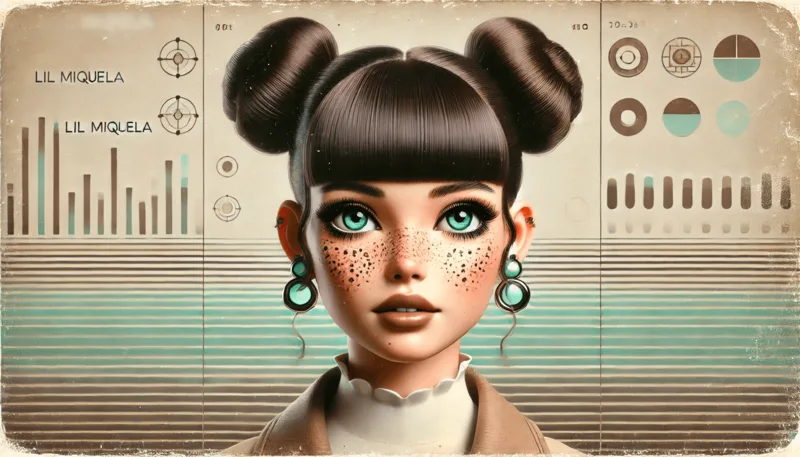
And it’s not just Lil Miquela—52% of U.S. social media users already follow a virtual influencer, showing how quickly these AI-driven personalities are becoming mainstream (Harvard Business Review).
The Role of AI in Empowering Virtual Influencers
AI is the core technology that brings virtual influencers to life, transforming them from digital avatars into relatable personalities. Here’s how AI makes it all possible:
- Staying Relevant: AI keeps virtual influencers in sync with the latest trends by analysing social media data and user interactions. This ensures their content remains fresh and aligned with audience expectations.
- Dynamic Interaction: Powered by AI, virtual influencers engage with their followers in real-time—replying to comments, answering questions, and even hosting interactive sessions. This level of responsiveness creates the illusion of a genuine connection.
- Customisation at Scale: AI enables virtual influencers to tailor their tone, style, and messaging to different audiences. This adaptability allows them to resonate deeply with diverse groups while maintaining their unique identity.
AI’s role goes far beyond the surface, making virtual influencers more engaging, relatable, and impactful in the digital world.
Designing Virtual Influencers: Best Practices
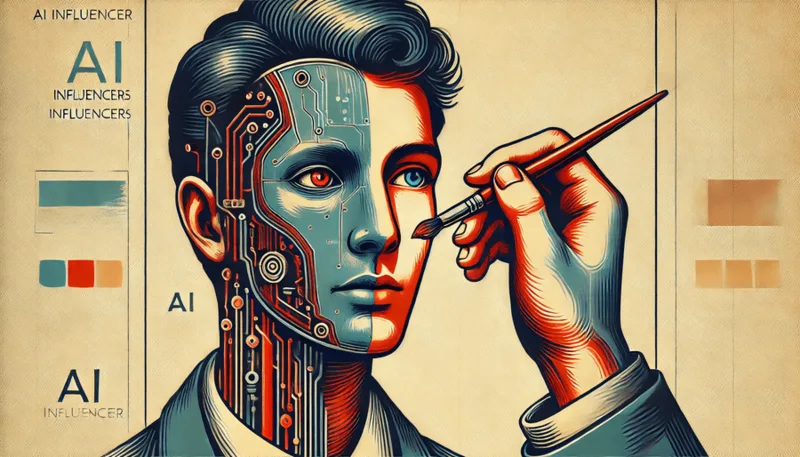
So, you’re thinking about creating your own virtual influencer? It’s more than just designing a digital face and posting pretty pictures. Here’s what it takes to bring one to life:
- Define Your Influencer’s Personality and Purpose:
- Personality: Will they be cool and sarcastic, or kind and motivational? Choose traits that align with your audience and goals.
- Purpose: Are they promoting a brand? Engaging with followers? Make sure your influencer’s purpose is crystal clear before diving into the design process.
- Design the Character: Whether you choose 2D or 3D, the visual design is crucial. Tools like Blender or Cinema 4D are perfect for building detailed 3D models, while Illustrator can handle 2D designs. Think about how they look, from their clothing to their facial expressions—it all contributes to their persona.
- Add AI for Engagement: To make your virtual influencer interactive, integrate AI tools. Using platforms like chatbots, you can create custom bots that will let your digital influencer respond to messages, engage with followers, or even scrape data for personalised content.
- Incorporate Real-Time Data: To keep your virtual influencer relevant, gather real-time data like trending hashtags or user preferences. Using tools like Automatio, you can automate data collection from social media, ensuring your influencer stays on top of the latest trends. To see how this works, read this article on collecting real-time data.
Ethical Implications of Virtual Influencers
As cool as they are, virtual influencers come with some ethical questions we can’t ignore:
- Transparency: How honest should we be with our followers about the fact that these influencers aren’t real people? While the line is blurry, it’s important to be upfront about it.
- Authenticity: Can an AI truly be authentic? That’s a debate that rages on. The goal is to make the virtual influencer feel real, even though they’re not.
- Mental Health: Like human influencers, virtual ones can face pressure from brands and followers. It’s important to design them with boundaries and respect for their (digital) well-being.
Campaigns Featuring Virtual Influencers
Virtual influencers are not just digital faces; they’re involved in carefully crafted campaigns that deliver measurable results. Let’s dive into some specific examples:
Lil Miquela & Prada’s Fall/Winter Campaign (2018)
Lil Miquela partnered with Prada to promote its Fall/Winter 2018 collection through a series of Instagram Stories. In these, Miquela explored Prada’s virtual runway, showcasing the brand’s signature pieces, including handbags and shoes. The campaign generated significant engagement, including a reported 5.7% increase in social media interactions for Prada during the campaign period. This collaboration highlighted the power of virtual influencers in driving digital engagement and brand visibility. Read more about the Prada collaboration.
Shudu & Balmain’s Virtual Models (2018)
In 2018, Balmain revolutionised fashion marketing by introducing Shudu, the world’s first digital supermodel, as part of a “virtual army” of models, alongside Margot and Zhi. Created to showcase the brand’s Pre-Fall 2018 collection, the campaign emphasised Balmain’s futuristic vision and commitment to inclusivity. Shudu, designed by visual artist Cameron-James Wilson, had previously gained fame after being featured by Rihanna’s Fenty Beauty. Her involvement in the Balmain campaign further boosted her prominence, with her Instagram following surpassing 140,000 during the campaign. The initiative generated widespread media coverage, sparking discussions about the future of digital representation in fashion and the ethical implications of virtual modelling. Although specific metrics like sales figures weren’t disclosed, the campaign achieved millions of impressions and cemented Balmain as a trailblazer in merging technology with fashion. Read more about the campaign.
The Future of Virtual Influencers
Where do we go from here? The possibilities are endless. As technology evolves, virtual influencers will continue to transform and expand their roles in digital spaces, offering exciting new opportunities for brands, creators, and audiences alike.
- More Personalised: AI advancements will allow virtual influencers to deliver hyper-tailored experiences. By analysing user data in real-time, they’ll adapt their tone, content, and even appearance to meet the specific preferences of their audience. Imagine an influencer who not only knows your favourite fashion styles but also recommends products based on your mood or recent interactions.
- Integrated into the Metaverse: Virtual influencers are set to play a major role in the metaverse. They could act as virtual shopping assistants, leading users through immersive brand experiences, hosting live events, or even offering personalised guidance in gaming environments. These influencers won’t just promote products—they’ll shape how we navigate and engage with virtual worlds, making them integral to the next phase of online interaction.
- More Diversified: Inclusivity will take centre stage as virtual influencers begin to represent a broader range of identities, cultures, and experiences. With the ability to create influencers that resonate with niche or underserved communities, brands can foster deeper connections and meaningful representation. This diversity will extend not only to appearance but also to the causes they support and the narratives they embody.
- AI Collaboration: Virtual influencers may begin collaborating directly with AI-driven customer service bots or content generators, creating seamless user experiences. For instance, they could act as the face of automated brand support, offering a more human-like interaction for users while leveraging the efficiency of AI systems.
The future of virtual influencers is not just about innovation in technology but also about reimagining how brands and audiences interact. They are set to redefine marketing, entertainment, and even personal relationships in the digital age, bridging the gap between human creativity and AI-driven precision.
Final Thoughts
Virtual influencers aren’t just a passing trend—they’re reshaping the way we think about identity, creativity, and connection in the digital world. With the right combination of AI, design, and creativity, you can craft your own digital persona that’s just as engaging, relatable, and effective as any human influencer.
Whether you’re building them for branding, marketing, or simply exploring the limitless possibilities of the future, virtual influencers are becoming an integral part of the social media landscape. They offer brands a unique way to connect with audiences, push the boundaries of technology, and spark meaningful conversations. As they continue to evolve, virtual influencers are set to redefine how we interact with digital spaces—and the journey is only just beginning.