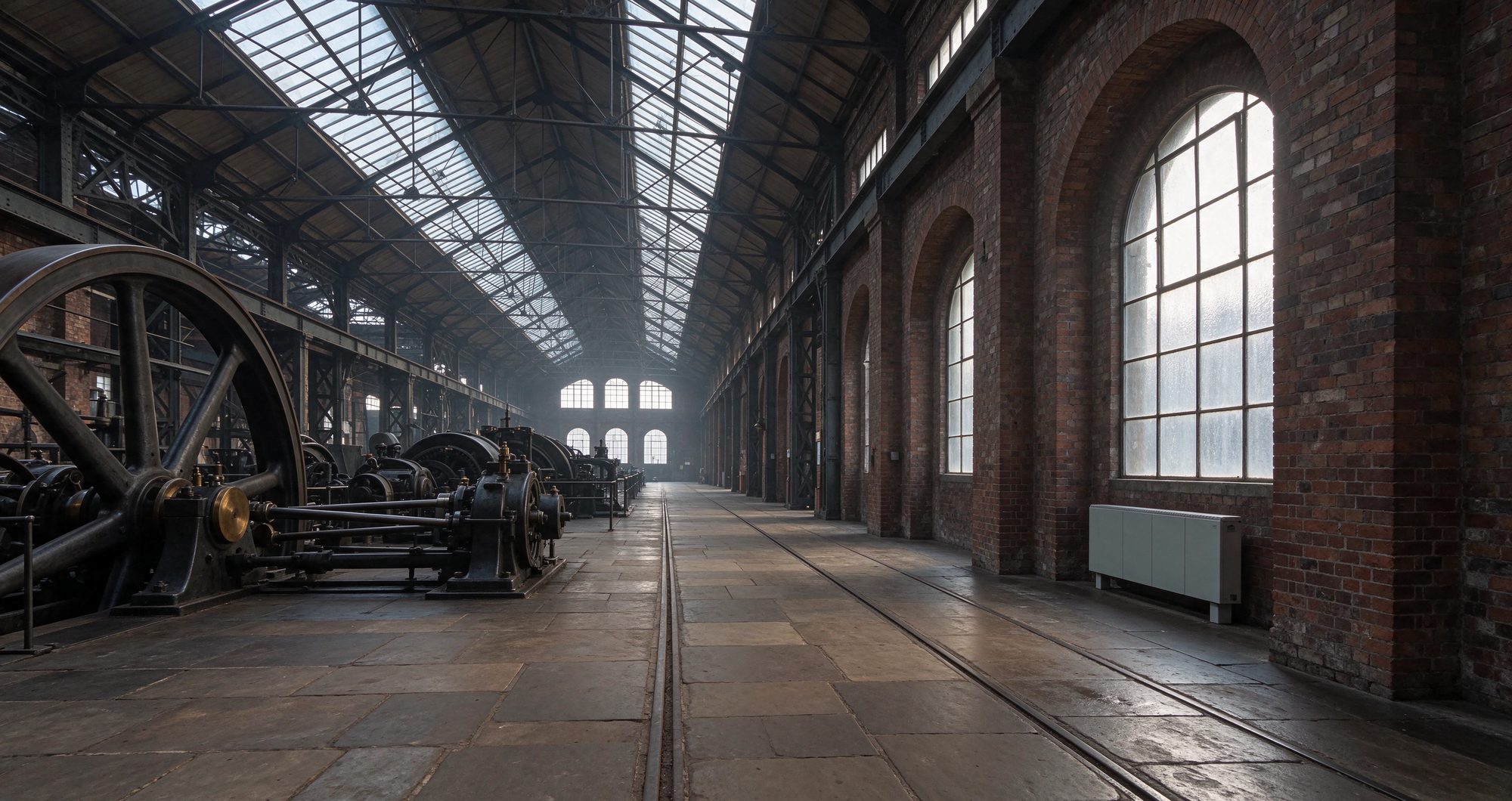

Walthamstow Pumphouse Museum is seeking £50,000 for energy-saving improvements as it prepares to pay for its own electricity, with annual costs projected at about £40,800 before further reductions in consumption.
The free museum, housed in a Grade II listed Victorian sewage pumping station, has received electricity through Waltham Forest Council’s supply without paying for it. That arrangement is ending, and the museum is due to move to an independent metered supply this winter.
The appeal, launched on 17 November, is intended to reduce future running costs rather than simply cover electricity bills. It would fund insulated roofs, 60 solar panels, a battery and additional heat pumps. Alongside smarter heating controls and lower consumption across the site, the improvements are expected to bring annual electricity costs down to around £19,000.
Winter costs put pressure on reserves
The £40,800 projection is based on a full year of hourly electricity readings, covering the 12 months to September 2026. The calculation uses a charity tariff of 27.16p per unit, including 5% VAT, and excludes the standing charge. It is an estimate of what the museum’s previous consumption would cost on its own supply, not an electricity bill already received.
Winter accounts for a large share of that projected expenditure. January alone could cost about £6,700, while the December-to-February total is estimated at £16,800. A single winter at those costs could consume most of the museum’s reserves.
Much of the electricity is used for heating, both to keep visitors and volunteers warm and to protect historic buildings and collections. The old fire station and workshop have uninsulated asbestos roofs, while gaps around the buildings allow heat to escape and damp to enter.
Smart heating controls are already being installed so that spaces are heated only when necessary. The proposed additional heat pumps would build on two already installed and replace remaining direct electric heaters.
A staged programme of improvements
The fundraising target has a series of cumulative milestones. Reaching £23,000 would pay for an insulated roof on the first side of the old fire station, the first 20 solar panels and a battery. At £25,000, a further 20 panels would be added to the other side of the fire station roof.
The £41,000 milestone would extend the work to the old workshop, with a new insulated roof and another 20 panels completing the planned 60-panel scheme. Reaching the full £50,000 would allow more heat pumps to be installed.
Volunteers, including qualified electricians, are expected to fit the replacement roofs and solar panels. A licensed contractor is expected to dispose of the asbestos. Once the money is raised, the work is expected to take four to five months.
Two matching supporters currently allow an eligible first donation of up to £250 to be tripled. The matching arrangement is limited: one supporter’s contribution runs until the end of December or until its £25,000 limit is reached, whichever comes first. Gift Aid can add a further 25% of the donor’s own contribution where eligibility requirements are met.
Protecting free access and local activities
The museum receives around 17,000 visits a year. Its activities include free Sunday opening, family crafts, school visits, work experience and volunteering. Collections include Marshall engines, fire engines, a model railway and two 1967 Victoria line carriages. The on-site Tool House also offers practical making, repair and reuse workshops.
The council is covering installation of the separate electricity connection. Further support for energy-efficiency measures is being explored, but an additional offer remains subject to internal approval. The museum has requested two more years on its existing supply and a one-off £50,000 contribution towards improvements.
Plans to open more often next year and strengthen the museum through a heritage-funding bid remain ambitions rather than confirmed expansion. Reducing the new electricity burden is the immediate priority for keeping the free museum operating and protecting its collections.