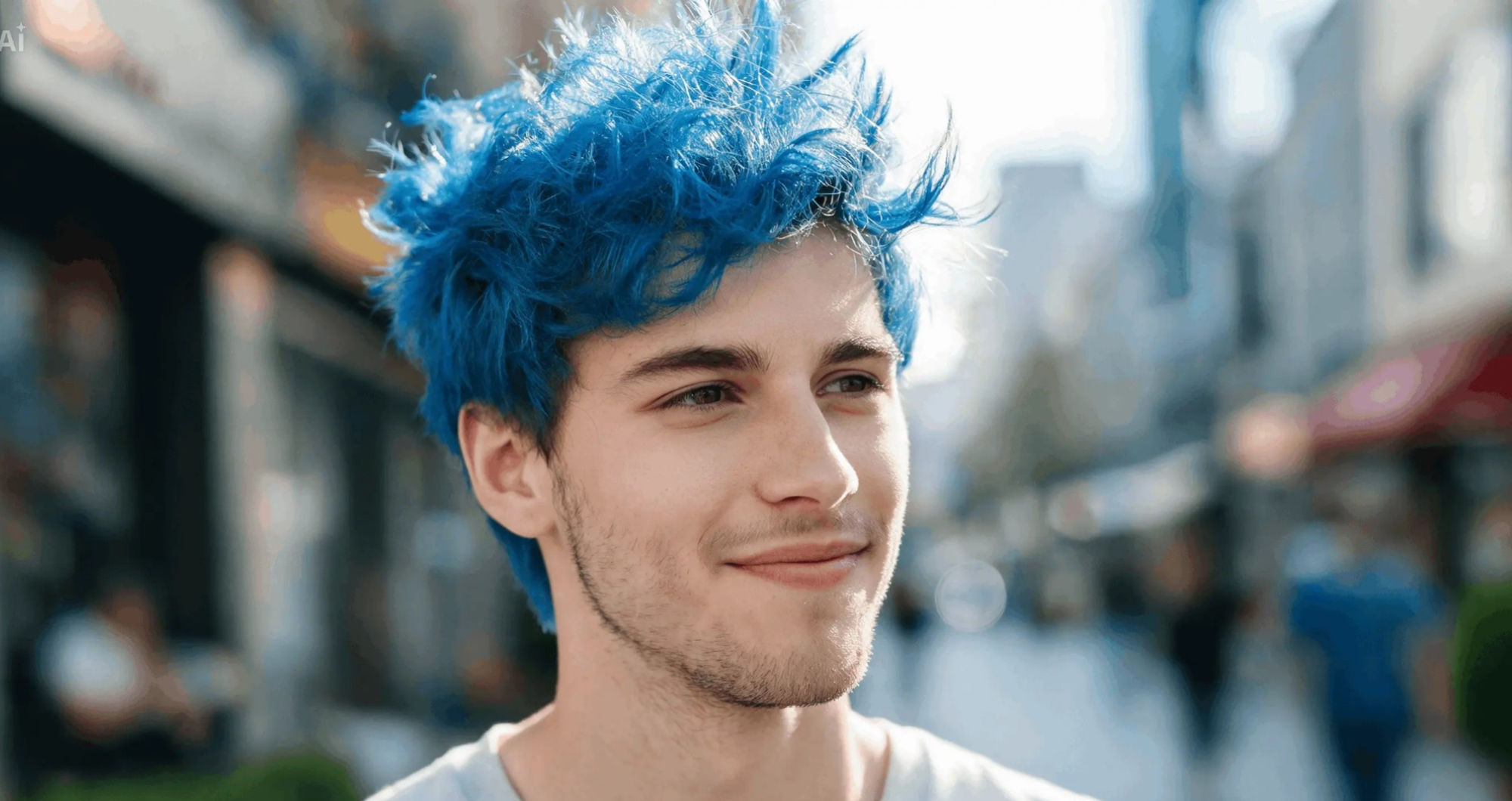

Dyeing your hair bright blue is a big step. Once the colour is in, you cannot take it back with a click, and a poor result can mean weeks of waiting, a trip to the salon, or a hat. That is why many people now try a look on screen first. A blue hair filter lets you preview shades such as navy, pastel, or icy blue on your own photo in seconds. This guide explains how virtual hair colour tools work, what UK figures say about home hair dye habits, how to protect your scalp and skin, and what to check before you upload a selfie to any website.
Key Takeaways
- A virtual preview is a quick, low-risk way to test a bold colour before you commit.
- UK data shows people are spending hours online each day, and many already colour their hair at home.
- A filter shows a rough idea only. Real results depend on your natural hair colour, hair condition, and the dye used.
- The NHS advises a patch test before using permanent or semi-permanent dye, every time.
- Check how any online tool handles your photo before you upload it.
A note on sources: where a claim comes from a tool’s own web page, this article says so. Figures from independent bodies such as Ofcom, Mintel, and the NHS are named and dated.
Why More People Try Looks Online First
Trying things on screen has become normal. According to Ofcom’s Online Nation 2025 report, UK adults spend an average of 4 hours and 30 minutes online each day, outside of work. Adults aged 18 to 24 spend the most, at around 6 hours and 20 minutes. The same report found that TikTok reached 56 percent of online adults in the UK in May 2025. Short video and photo apps are where many people first see new colour trends, so it makes sense that they also try those colours there.
Hair colour is already a common habit in Britain. Mintel’s Hair Colourants UK report, based on 2017 data, found that 38 percent of UK adults used hair colour at home, rising to 53 percent of women. It also found that 25 percent of hair dye users chose a non-natural shade, such as a pastel or bright colour, and that sales of temporary colour jumped by 48 percent between 2016 and 2017. These figures are several years old, so treat them as a snapshot of the trend and not as today’s numbers. They do show that bold colour was already moving into the mainstream.
Put those two facts together, and the appeal is clear. If you can see a colour on your own face first, you have a better chance of choosing well.
How a Blue Hair Filter Works
A hair colour filter does not dye anything. It edits the photo. In simple terms, the software finds the part of the image that looks like hair, then changes the colour in that area while trying to keep strands, shadows, and shine in place. The better the tool handles the edge of the hair, the more natural the result looks.
Some points are worth knowing:
- Lighting matters. A clear, evenly lit photo gives the software an easier job than a dark or very busy one.
- Edges are hard. Curls, flyaways, and loose strands are the toughest part to edit well.
- Colour on screen is not colour on hair. Screens differ, and a preview cannot copy how dye reacts with your real hair.
According to the tool page for the blue hair filter on CapCut’s website, the tool is meant for previewing navy, pastel, icy, or vivid blue tones on portraits, cosplay photos, and profile pictures while keeping face details and lighting in place. This comes from the company’s own description, so it is a statement of what the tool aims to do, not an independent test. Try it with a few different photos to see whether it suits your needs.
How to Try a Virtual Hair Colour Step by Step
Here is a simple way to get a useful preview.
- Pick a clear photo. Face the light, keep your hair visible, and avoid heavy shadows or hats.
- Start with a mid-tone. Try one shade first, such as a medium blue, before testing very light or very dark ones.
- Compare shades side by side. Save two or three versions and look at them together.
- Check them in different light. View the images on your phone and on a laptop, as the colour can shift between screens.
- Ask someone you trust. A friend or your hairdresser may spot things you miss.
What to Look for When Choosing a Shade
Different blues create different moods. This table gives a simple starting point. It is general styling guidance, not a rule, and your hairdresser can advise on what suits you.
| Shade | Usual Look | Things to Think About |
| Navy or midnight | Dark, subtle, close to black in low light | Easiest to wear to work or school |
| Royal or electric blue | Bold and bright | Fades faster and shows regrowth quickly |
| Pastel or icy blue | Soft and light | Often needs the hair to be lightened first |
| Blue black | Dark with a blue shine | A gentle first step for people new to colour |
A Filter Is Not the Same as Real Dye
A preview is a good start, but it has limits. Keep these points in mind.
| Virtual Preview | Real Hair Dye | |
| Cost | Usually free or low cost | Product or salon prices apply |
| Time | Seconds | Hours, or longer if lightening is needed |
| Reversible | Yes, instantly | Not easily |
| Accuracy | Rough guide | Depends on your hair and the dye |
| Health risk | None to your scalp | Possible allergic reaction |
Hair that is naturally dark usually needs lightening before a light or bright blue will show clearly. Lightening is a stronger process than ordinary colouring, and many people prefer to have it done by a trained stylist. A filter cannot show you how your own hair will react, so use it as a conversation starter with a professional, not as a promise of the final result.
Staying Safe If You Move From Screen to Real Dye
Many hair dyes can irritate the skin or cause an allergic reaction. The NHS says that a chemical called PPD is the cause of most reactions to hair dye, and it advises everyone to do a patch test before using permanent or semi-permanent dye, even if you use the same brand every time. The NHS also says to test the dye on a small area of skin or a strand of hair at least 48 hours before use and to follow the instructions on the pack. Symptoms can take up to 72 hours to appear.
Other NHS tips include:
- Wear gloves when applying dye.
- Stop using the product if you feel unwell or notice a reaction after the test.
- Choose a non-permanent dye if you have had a reaction to a permanent one before.
- Call 999 if you think someone is having a severe allergic reaction, such as trouble breathing or swelling of the face.
If a reaction does happen, a pharmacist can offer advice on mild cases, and a doctor can arrange further tests.
Protecting Your Photos and Privacy
Any tool that works on your face needs a photo of you. That photo counts as personal data under UK data protection law. Before you upload, it is sensible to:
- Read the privacy policy to see whether images are stored, shared, or used for other purposes.
- Look for a clear way to delete your photo.
- Avoid uploading photos of children or of other people without their permission.
- Use a photo that does not show private details, such as a street sign, a school badge, or a house number.
Ofcom’s research also shows how many young people use social platforms heavily, which is one more reason to think before sharing edited images of yourself widely.
Other Ways People Use a Blue Hair Filter
Hair colour previews are not only for people thinking about a dye job. According to the tool’s own page, a filter like this can also be used on studio portraits, cosplay photography, character edits, and profile pictures. Some people use it simply for fun, to see how a costume or a character look might come out before an event. Photographers and content creators may use it to test colour ideas without a second photo shoot.
Frequently Asked Questions
Does a blue hair filter show how my hair will really look?
It gives a rough idea only. Your natural colour, hair texture, and the dye you pick all change the final result. A hairdresser can give a more accurate picture.
Can I use a filter if I have dark hair?
You can preview a colour on any photo, but dark hair usually needs lightening first to show a clear blue in real life. Ask a stylist what is realistic for your hair.
Is it safe to dye my hair blue at home?
Many people do, but you should patch test first, follow the instructions, and wear gloves. The NHS recommends a test every time you use permanent or semi-permanent dye.
Are these tools safe for my privacy?
It depends on the tool. Read the privacy policy, check how photos are stored, and avoid uploading photos of other people without permission.
How long does blue hair dye last?
It varies. Bright shades often fade faster than natural browns, so check the product guidance or ask your stylist about upkeep.
Final Thoughts
Trying a new hair colour should feel fun, not risky. A virtual preview lets you test a bold idea in seconds, and the UK figures from Ofcom and Mintel show why so many people are doing just that. Use a filter as a first look, then talk with a professional, do a patch test, and check how any online tool treats your photos. With those steps in place, you can decide with confidence whether blue is your next colour.