
As global water demand rises and infrastructure ages, utilities around the world are under increasing pressure to reduce non-revenue water (NRW), minimise losses, and improve operational efficiency. Effective Water Leakage Managementhas become an essential strategy, not only for preserving valuable water resources but also for enhancing network resilience and long-term sustainability.
What Is Water Leakage Management?
Water Leakage Management refers to the practices, tools, and technologies used to identify, monitor, prevent, and reduce water loss across a distribution network. These losses often come from hidden leaks, pipe bursts, faulty meters, ageing infrastructure, or pressure imbalances.
Successful leakage management combines:
- Real-time monitoring
- Advanced diagnostics
- Predictive analytics
- Pressure management
- Field investigation
- Proactive maintenance
When executed correctly, it provides utilities with complete visibility of their network’s performance, helping them detect issues early and reduce wastage significantly.
Why Water Leakage Management Matters More Than Ever
Around the world, utilities face growing regulatory expectations, rising operational costs, and the challenge of meeting customer demand. Without proper leakage control, water networks become increasingly stressed, resulting in:
- Increased operational expenses
- Higher energy use for pumping and treatment
- Reduced pressure stability
- More frequent bursts and asset failures
- Customer dissatisfaction and service interruptions
Proactive leakage management not only protects the water supply but also strengthens the entire system’s efficiency and environmental footprint.
Modern Approaches to Leakage Detection and Control
Technology is transforming how utilities detect and address leakage. Some of the most effective modern solutions include:
Smart Metering & IoT Sensors
Real-time monitoring systems alert operators the moment unusual consumption patterns or pressure anomalies occur.
Acoustic Detection Tools
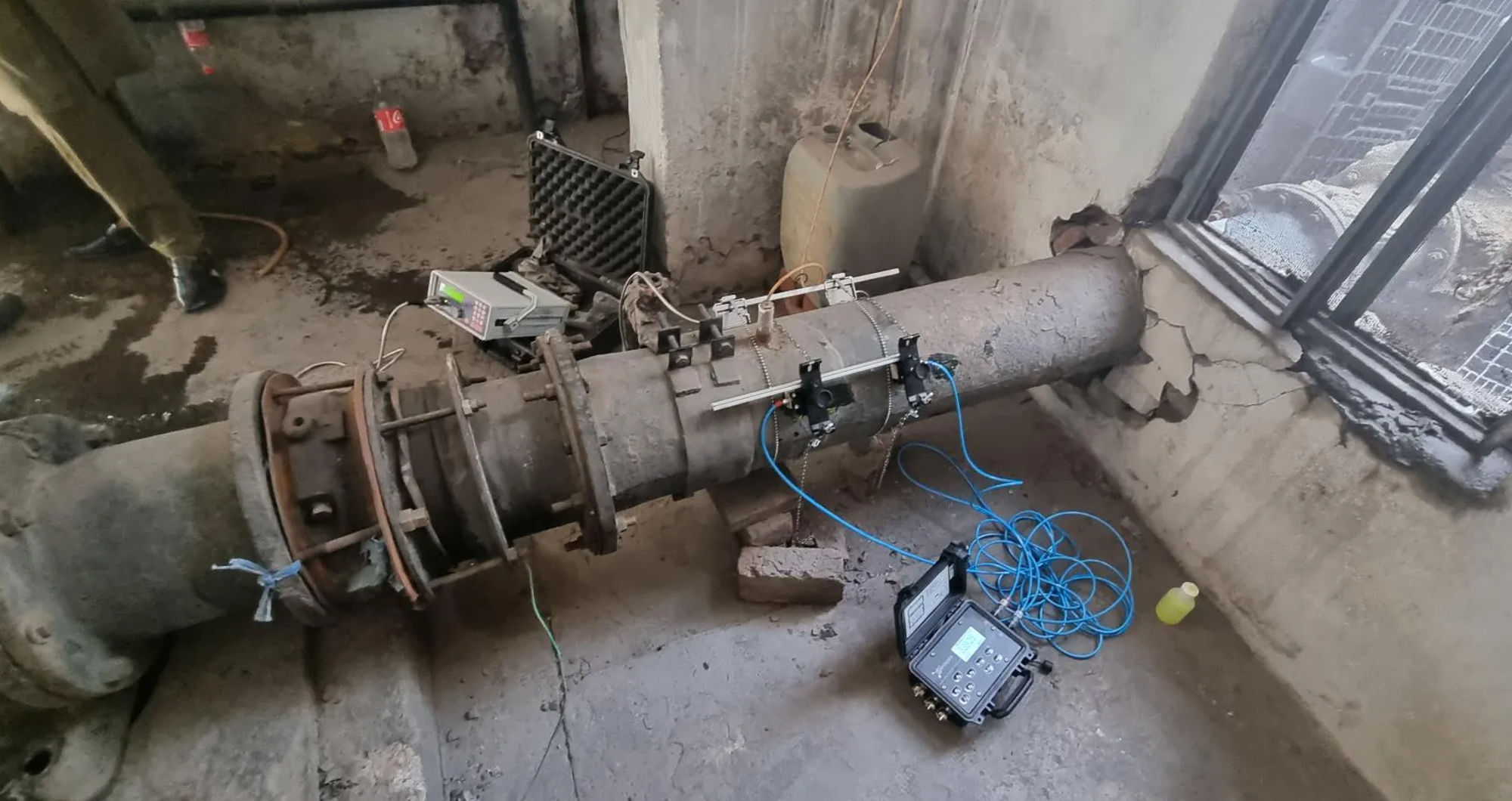
Specialised equipment identifies leak noise signatures with exceptional accuracy, even in buried or remote pipelines.
GIS & Hydraulic Modelling
Integrated mapping and modelling solutions help utilities analyse flow patterns and pinpoint high-risk areas.
District Metered Areas (DMAs)
Segmenting networks into DMAs improves visibility and allows faster, more precise leak localisation.
Predictive Analytics
Data-driven insights reveal early warning signs and enable proactive maintenance planning.
Strengthening Your Strategy With a Comprehensive Leakage Detection System
A strong Water Leakage Management strategy requires more than just hardware. Utilities need integrated solutions that bring monitoring, analytics, and field operations together.
How Leakage Management Supports Sustainability
Reducing leakage is one of the most impactful steps utilities can take toward sustainable water management. Effective strategies help:
- Conserve clean, treated water
- Lower carbon emissions from pumping and treatment
- Extend infrastructure lifespan
- Improve service resilience during dry seasons
- Reduce operational and maintenance costs
In an era where water scarcity is becoming a global concern, leakage reduction is both an environmental and economic necessity.
Water Leakage Management is far more than routine network maintenance; it is a cornerstone of modern, sustainable water utility operations. By adopting advanced monitoring tools, data-driven analytics, and proactive maintenance strategies, utilities can significantly reduce losses, protect resources, and deliver a more reliable service to customers.
With the right technology and a clear strategy, every utility has the power to transform leakage control into a major performance advantage.