
Water quality is a growing concern across the United Kingdom, whether for drinking water, agriculture, aquariums, swimming pools, or industrial processes. One of the most important indicators of water quality is Water pH. Understanding water pH levels and using a reliable pH sensor can help ensure safety, efficiency, and regulatory compliance in many applications.
This guide explains what water pH is, why it matters in the UK, and how pH sensors are used to accurately monitor and control water quality.
What Is Water pH?
Water pH is a measure of how acidic or alkaline water is. It is measured on a scale from 0 to 14:
- pH 7 is neutral
- Below 7 is acidic
- Above 7 is alkaline
In the UK, most natural water sources and treated drinking water typically fall between pH 6.5 and 8.5, which is considered safe and acceptable under Drinking Water Inspectorate (DWI) standards.
Even small changes in water pH can significantly affect taste, corrosion, biological life, and chemical reactions.
Why Water pH Is Important in the UK
1. Drinking Water Safety
Water pH plays a critical role in maintaining safe drinking water. If water is too acidic, it can corrode pipes and leach metals such as lead or copper into the supply. If it is too alkaline, it may affect taste and reduce the effectiveness of disinfection.
UK water suppliers carefully monitor water pH to meet regulatory standards and protect public health.
2. Environmental Protection
Rivers, lakes, and groundwater across the UK support delicate ecosystems. Changes in water pH can harm fish, aquatic plants, and microorganisms. Acid rain, agricultural runoff, and industrial discharge can all alter pH levels.
Monitoring water pH helps environmental agencies assess pollution risks and maintain ecological balance.
3. Agriculture and Horticulture
Farmers and growers in the UK rely on proper water pH for irrigation. Water that is too acidic or alkaline can affect soil nutrients and plant growth. Maintaining optimal water pH improves crop yields and reduces fertiliser waste.
4. Industrial and Commercial Use
Many UK industries, including food processing, pharmaceuticals, manufacturing, and water treatment, require precise pH control. Incorrect water pH can damage equipment, reduce product quality, and increase operating costs.
What Is a pH Sensor?
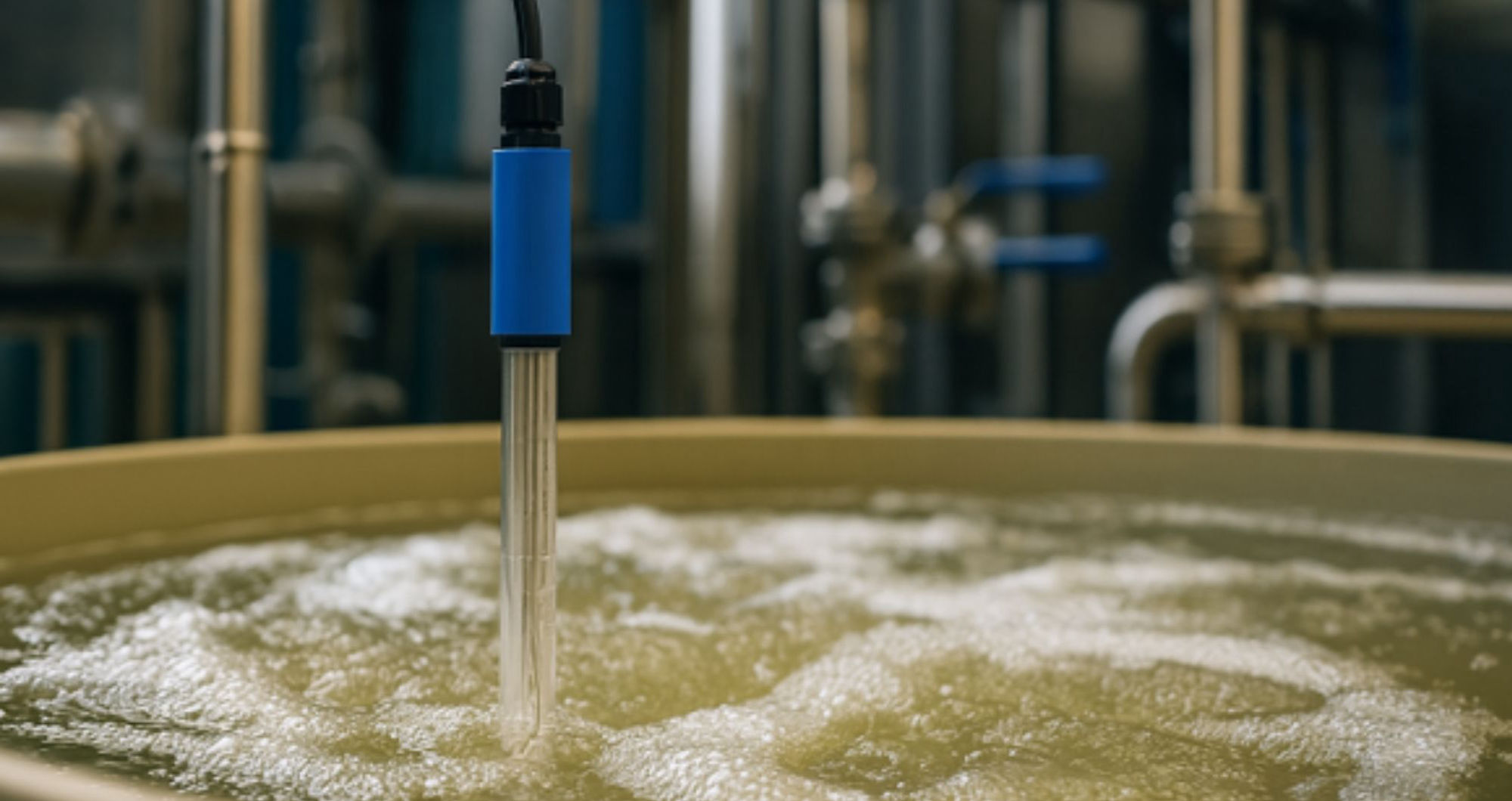
A pH sensor is a device used to measure the pH level of water accurately and consistently. It converts chemical activity (hydrogen ion concentration) into an electrical signal that can be displayed or logged digitally.
Modern pH sensors are widely used across the UK in both residential and professional settings due to their accuracy and ease of use.
How a pH Sensor Works
A typical pH sensor consists of:
- A glass electrode sensitive to hydrogen ions
- A reference electrode that provides a stable comparison
- A measurement system that converts readings into pH values
When immersed in water, the pH sensor detects changes in voltage that correspond to the acidity or alkalinity of the water.
Types of pH Sensors Commonly Used in the UK
1. Handheld pH Meters
Ideal for field testing, aquariums, pools, and home use. These are portable, affordable, and easy to calibrate.
2. Inline pH Sensors
Used in water treatment plants and industrial systems. These sensors continuously monitor water pH in real time.
3. Laboratory pH Sensors
Designed for high-precision testing in research labs, universities, and quality control facilities.
Benefits of Using a pH Sensor
Using a pH sensor offers several advantages:
- Accurate and reliable measurements
- Real-time monitoring
- Early detection of water quality issues
- Compliance with UK regulations
- Improved efficiency and safety
Compared to test strips, pH sensors provide more consistent and precise results.
Choosing the Right pH Sensor in the UK
When selecting a pH sensor, consider the following factors:
- Accuracy and resolution
- Calibration requirements
- Temperature compensation
- Durability and waterproof rating
- Application type (drinking water, pool, industrial, environmental)
For UK users, it is also important to choose sensors that meet British and EU quality standards.
Maintaining and Calibrating a pH Sensor
To ensure reliable readings, a pH sensor must be properly maintained:
- Calibrate regularly using buffer solutions (pH 4, 7, and 10)
- Store the electrode correctly
- Clean the sensor after use
- Replace probes when accuracy declines
Routine maintenance extends sensor lifespan and ensures consistent water pH monitoring.
The Future of Water pH Monitoring in the UK
With increasing focus on sustainability and smart infrastructure, water pH monitoring is becoming more advanced. Smart pH sensors connected to digital systems allow remote monitoring, data logging, and automated alerts.
These innovations support the UK’s goals for cleaner water, efficient resource management, and environmental protection.
Conclusion
Understanding water pH is essential for maintaining water quality across the UK, from household drinking water to large-scale industrial systems. Using a reliable pH sensor allows accurate monitoring, early problem detection, and compliance with safety standards.
Whether you are a homeowner, farmer, environmental professional, or business operator, monitoring water pH is a practical and responsible step toward healthier water and encourages long-term sustainability.