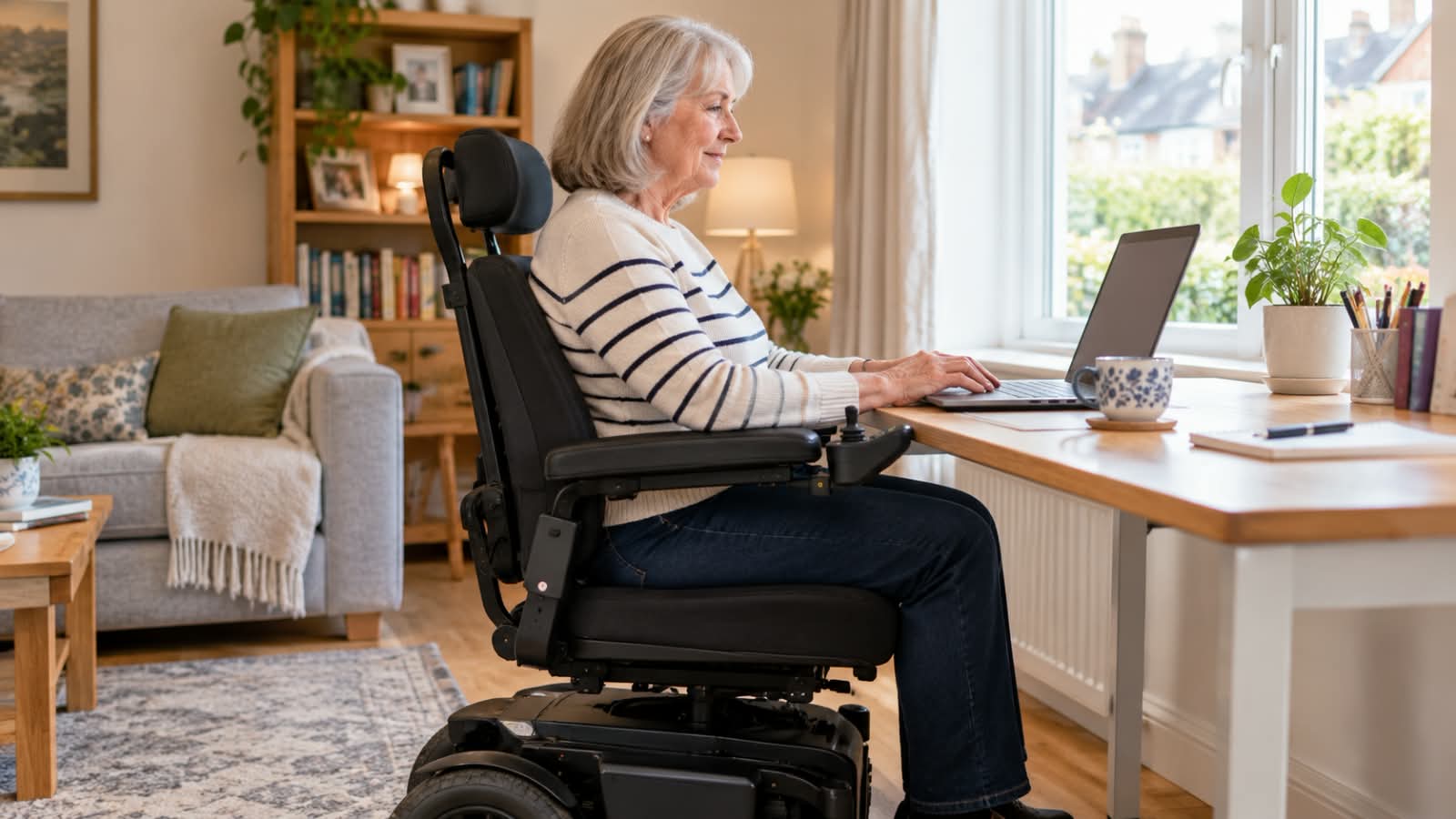

Understanding the Real Cost of an Electric Seating Solution
Anyone researching the VELA chair price quickly discovers that electric seating for people with disabilities sits in a different price bracket from a standard office chair. These are not simple desk chairs with a motor bolted on. They are specialist mobility aids built to carry weight safely, adjust height electrically, and help a user move from sitting to standing without strain on joints or muscles.
In the UK, prices for this category typically start at around £1,300 for a model with manual height adjustment and can go beyond £6,000 for advanced electric versions. The variation comes down to a handful of factors: maximum supported weight, whether the height adjustment, brakes and backrest are manual or electric, seat dimensions, and optional extras such as powered wheels or a foldable footrest.
For someone comparing options, the sticker price alone rarely tells the full story. Many UK suppliers offer finance plans that spread the cost into monthly payments, which makes the purchase easier to plan around a household budget. Delivery times, warranty terms, in-home assessments and after-sales support also affect the overall value, even though they rarely appear in the headline number.
It helps to think of this purchase less like buying furniture and more like buying mobility equipment. A wheelchair, a stairlift or a profiling bed all follow a similar price logic: the cost reflects the engineering needed to support a person safely, not just the materials used to build the frame.
Ways UK Buyers Can Reduce the Cost
VAT relief. In the UK, people with a disability or long-term illness usually don’t have to pay VAT on equipment designed for disabled people when it is bought for their own personal or domestic use. For a chair costing several thousand pounds, this can make a noticeable difference. Suppliers normally ask the buyer to complete a short eligibility declaration at the point of sale.
Access to Work. If the chair is needed for a job, the government’s Access to Work scheme may help pay for specialist equipment. Applications are made through GOV.UK, and the support available depends on individual circumstances.
Assessments and trials. Many suppliers offer an in-home assessment or demonstration before purchase. An occupational therapist can also advise on the right seat size, height range and accessories, which helps avoid paying for features that aren’t needed.
An Established Name in Mobility Seating
Among the brands active in this space, one name that often comes up in comparisons is VELA. The Danish family business was founded in 1935 and has a UK operation based in London, with its chairs available through a network of UK suppliers.
Longevity in a niche this specialised is hard to fake. A company that has made chairs for decades has had to adapt to changes in materials, regulations and customer expectations, and to keep its designs relevant to the people who rely on them every day.
That kind of track record tends to matter to buyers. When a chair is meant to help someone get up safely, reach a kitchen worktop or move around a room without assistance, the decision usually comes down to trust rather than price alone.
This is worth keeping in mind when comparing options online. A low price from an unfamiliar or newly established brand might look attractive at first glance, but for equipment tied so closely to someone’s mobility and safety, an established reputation, reliable servicing and UK-based support often carry real weight.
Weighing the Investment Against the Daily Benefit
Whether an electric mobility chair is worth its price depends heavily on how it is actually used day to day. For someone who struggles to stand up from a regular chair several times an hour, the ability to move from sitting to standing electrically can remove a source of pain and risk that would otherwise repeat itself dozens of times a day.
There is also the question of energy. People managing chronic conditions or age-related mobility loss often describe having a limited daily supply of physical energy. A chair that reduces the effort spent on basic transfers and short movements around the home can free up that energy for things that matter more, whether that is cooking a full meal, spending time with family in the evening, or simply getting through the day without exhaustion.
Finance options change the calculation considerably. Spreading a purchase over monthly instalments turns what looks like a high upfront cost into something closer to a regular household bill. For many buyers, that makes the decision easier, since the benefit is felt daily while the cost is absorbed gradually.
Fall prevention is another factor worth weighing seriously. A single fall can lead to a hospital stay, a long recovery, and a loss of independence that go well beyond the price of a mobility chair. Viewed against that risk, the investment often looks less like a luxury and more like a preventative measure.
Ultimately, the value comes down to matching the right chair to the user’s weight, home layout and daily routine. Arranging an assessment or trial before buying is the simplest way to make sure the chair earns its cost through real, everyday improvements in independence.