
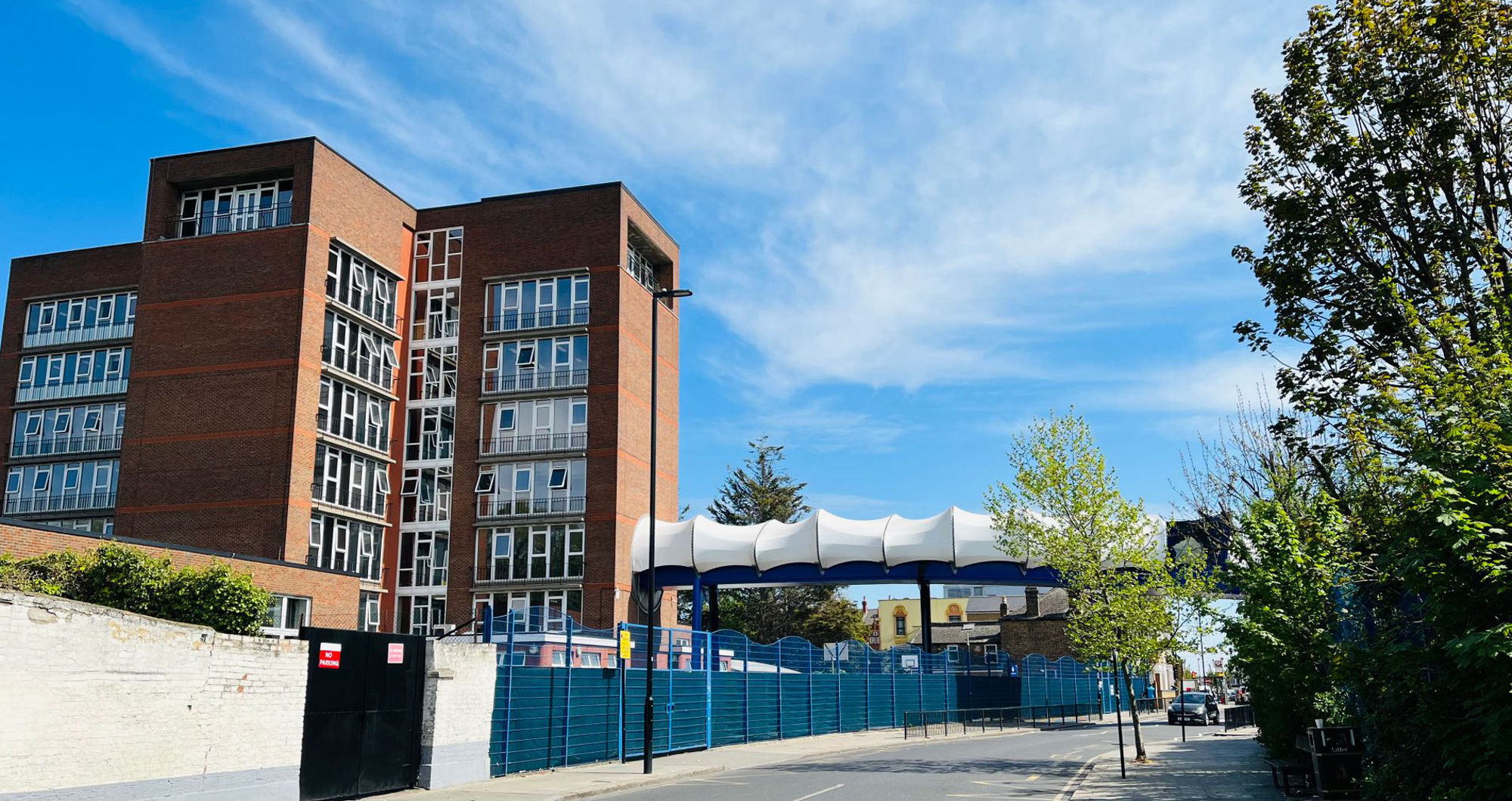

Walk through almost any London borough and you will find buildings waiting for a decision about their future. A row of council homes stands half empty ahead of regeneration. A former care home sits behind fencing while plans are drawn up. A church hall goes quiet after its congregation moves on. These gaps can last months or years, and in that time the buildings are at risk.
A Different Use for Empty Buildings
One response that has spread across the capital is property guardianship. Vetted people move into a vacant building and live there while it waits for redevelopment, sale or a new use. Their presence deters break-ins and squatting. They also notice when something goes wrong.
Guardians live under a licence, not a tenancy. It is a monthly rolling licence agreement with 28 days’ notice on either side. In return, each guardian pays an affordable monthly fee to the guardianship provider.
Much of the public talk about guardianship focuses on offices. Yet many guardian homes in London are in residential and community buildings, and that is where the model touches daily neighbourhood life most closely.
The Buildings Involved
Homes Awaiting Redevelopment
Estate regeneration often happens in phases. Residents move out block by block, and some homes stand empty long before demolition or rebuilding starts. Placing guardians in these homes keeps them lived in and stops the street from looking abandoned.
Housing Blocks Between Refurbishment
Housing associations and councils sometimes need to empty a block before major works. If funding or contracts are delayed, the block can sit vacant. Guardians fill that gap until the builders arrive. For the landlord, this kind of vacant building management keeps a block secure without the cost of round-the-clock patrols.
Former Care Homes, Schools and Churches
Large buildings with many rooms suit guardianship well. A former care home or school can house a small group of guardians who share kitchens and living space. Churches and chapels awaiting a new use can also be looked after this way, with guardians living in suitable parts of the site.
Community Buildings
Libraries, youth centres and council-run halls sometimes close while a borough decides what to do next. An occupied building is far less likely to be stripped of metal, boarded up or covered in graffiti. Guardians can also report leaks or damage before they spread.
What It Means for Neighbourhoods
An empty building affects the street around it. Boarded windows and metal shutters signal neglect. Fly-tipping and antisocial behaviour can follow. Neighbours notice, and so do people thinking of moving to the area.
When guardians live in a building, lights come on in the evening and people come and go. Bins go out on the right day. Small faults get reported. For residents still living on a regeneration estate, having occupied homes next door can make the wait for new housing feel less lonely.
Guardians use local shops, cafes and services like any other resident. Some volunteer or join local groups during their stay. Providers look for community-minded people partly for this reason.
What It Means for People Looking for a Home
Finding an affordable place to live in London is hard. Guardianship gives some people a way to stay in the city, often in well-connected areas, for an affordable monthly fee.
It suits a particular kind of person. Applicants have to be at least 21 and live without children or pets. They need a regular income or proof of financial stability, and they must pass a clean credit check. Providers want responsible people who will look after the building and get on with the others living there. The model tends to appeal to people early in their careers, key workers and others who value flexibility over permanence.
Anyone thinking about this route in the capital can look at London property guardianship to see which areas and building types are on offer.
Points to Weigh Up
Guardianship is not a long-term home. Buildings are handed back when redevelopment begins, and 28 days’ notice can come at any point. People who choose it need to be ready to move. Shared buildings also mean shared kitchens and bathrooms, along with house rules on noise, cleaning and visitors. The trade-off is a lower-cost place to live and the chance to stay in neighbourhoods that might otherwise be out of reach.
For London, the model makes practical use of buildings that would otherwise sit idle. It keeps streets lived in during long periods of change. And it gives some Londoners a place to live in a city where housing is hard to find.
Feature image by Pexels







