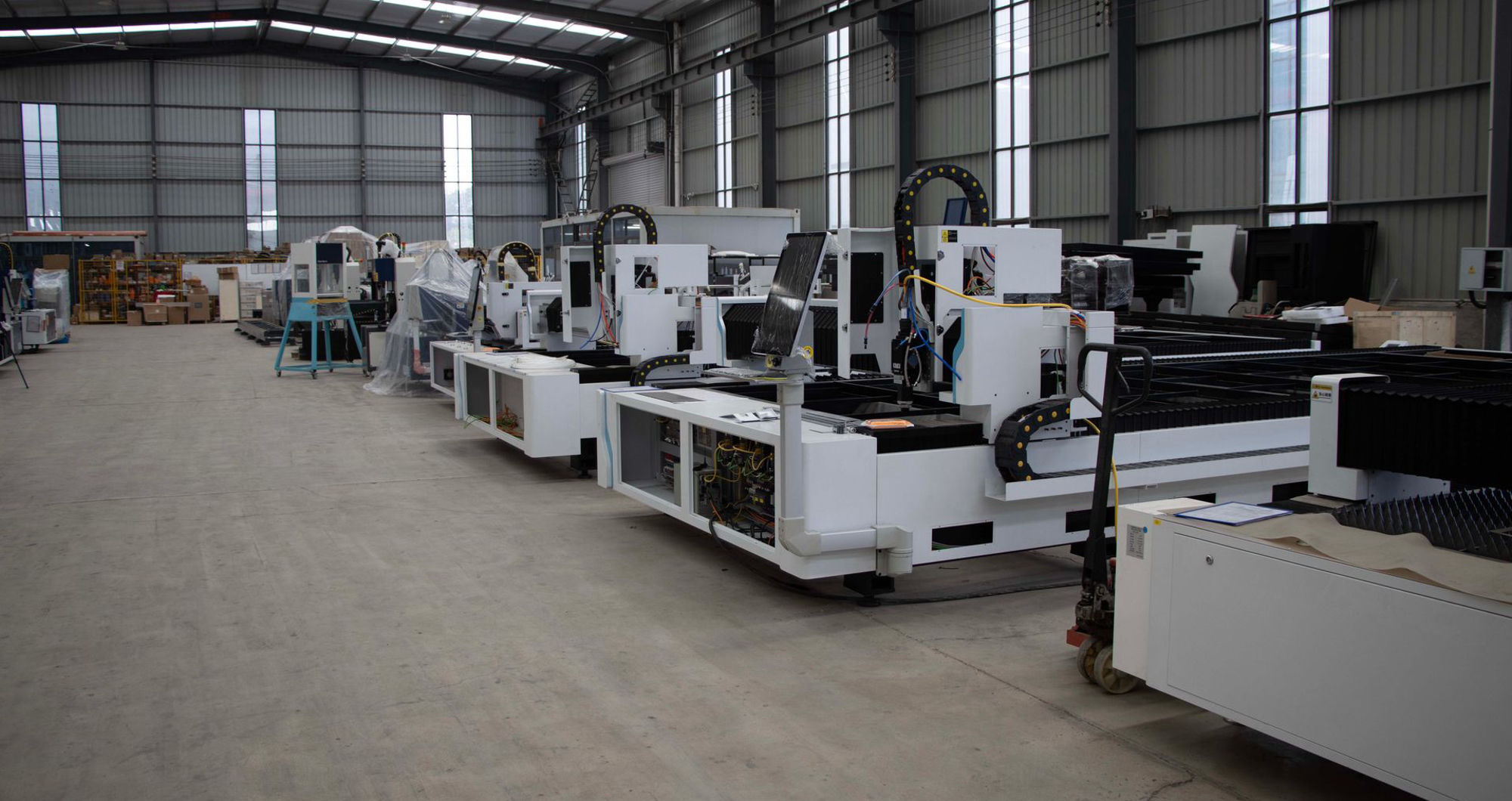

When a company stops trading, the phones go quiet, but the assets do not disappear. Somewhere there is a unit full of ovens, a yard of plant, a rack of laptops or a fleet of vans, and someone has to turn all of it back into money for creditors.
That work has become a steady industry. The Insolvency Service registered 1,931 company insolvencies in England and Wales in July 2026, of which 1,497 were creditors’ voluntary liquidations, the route insolvent companies take when directors choose to close. Over the twelve months to the end of July, one in 199 UK companies entered an insolvency procedure. Volumes remain close to levels last seen during the 2008 to 2009 recession.
Every one of those closures leaves physical assets behind, and most of them end up at auction.
Why the sale happens fast
The person selling is usually a liquidator or administrator, and they carry a legal duty to obtain the best price the circumstances reasonably permit. That sounds like a mandate to take time. In practice it is the opposite.
Once trading stops, costs keep running. Rent accrues on premises the landlord wants back. Insurance may lapse. Equipment sitting in an empty unit deteriorates and occasionally walks. A sale that drags for six months can easily cost more than the delay recovers.
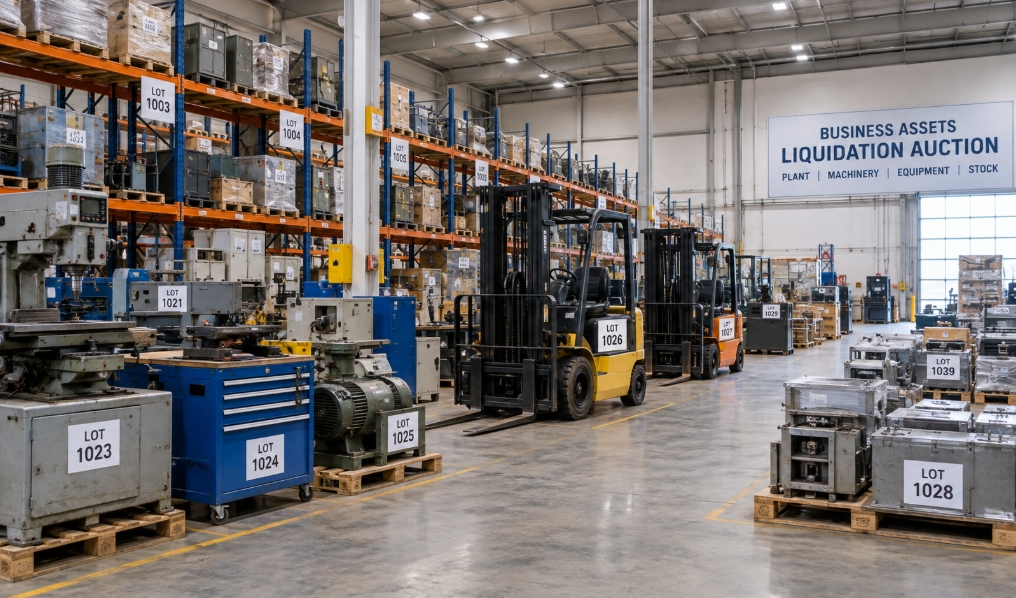
So the market has settled on timed online auctions, typically running over five to seven days. Lots close in a staggered sequence, and a bid placed in the final minutes extends that lot’s clock so competing bidders can respond. Every bid is timestamped, which matters when creditors later ask how a price was reached.
What reaches the catalogues
The contents of a month’s UK auction listings read like an economic summary. Construction accounted for 343 insolvencies in July alone, the highest of any sector, with wholesale, retail and hospitality close behind.
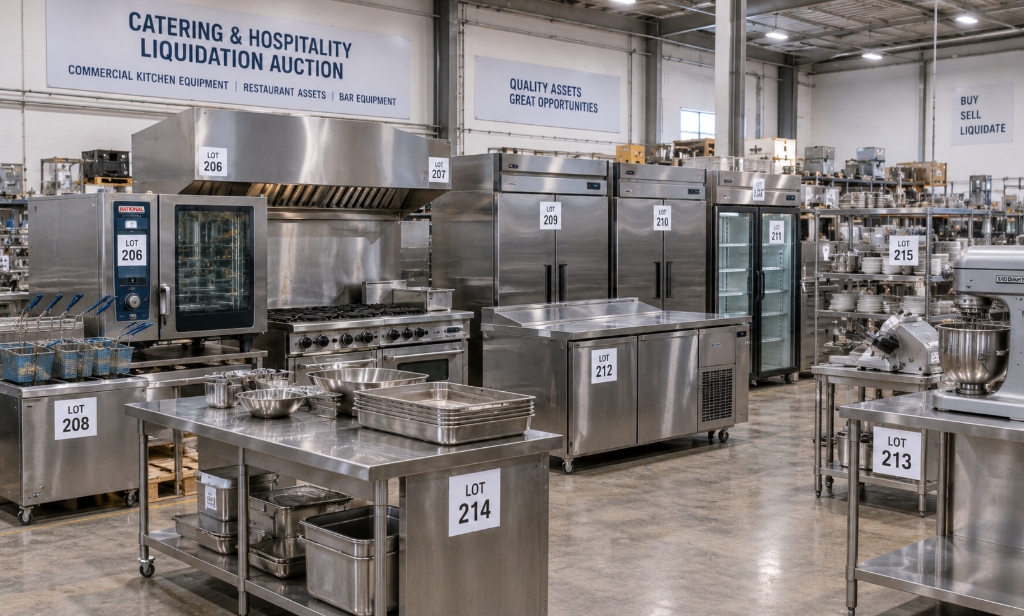
That produces a predictable mix: telehandlers, mini excavators, scaffolding and tipper trucks from building firms; racking, shop fittings and EPOS systems from retailers; combi ovens, prep counters and walk-in cold rooms from restaurants and cafés; laptops, desking and forklifts from offices and warehouses.
Most of it is between two and seven years old. It was bought to work hard, maintained on a schedule, and taken out of service for reasons that had nothing to do with its condition.
Not every seller is in difficulty, either. Solvent companies close every week, owners retire, and firms replace fleets or exit product lines. That surplus moves through the same channels.

The buyer’s arithmetic
The discounts are real, and so are the reasons for them.
The bid is not the price. Buyer’s premium in UK trade sales commonly runs at 15 to 20 percent of the hammer price. VAT may apply to the lot, the premium or both, depending on the seller’s status. Then there is transport, which, on heavy plant or a full site clearance, can exceed the value of low-priced lots, plus any safety check or repair the item needs before it can be used.
A £2,000 winning bid can comfortably become £3,100 once premium, VAT and a van are accounted for. Against a retail replacement, that is still a strong purchase. Against a used trade price, it can be a thin one.
Buyers also give up the protections they would have in a shop. Business asset lots are sold as seen, with all faults, and no warranty given or implied. Second-hand goods sold at public auction fall outside core provisions of the Consumer Rights Act 2015, on the reasoning that bidders had the chance to inspect and the price came from competitive bidding rather than a fixed ticket. The seller must have the right to sell, and the lot must broadly match its description. Everything else transfers with the hammer.
Collection deadlines catch people out more than price does. Windows are usually 48 to 72 hours after payment, tied to a site handover date that belongs to a landlord and cannot be moved. Buyers who work out how an item leaves the building before bidding tend to pay less overall, because they stop bidding on things they cannot economically move.
Where to look
The market is served by auction houses running their own bidding platforms alongside larger aggregators. Sector specialists usually produce better catalogues, because the person writing the description knows what matters about the item.
Current UK sales, including plant, commercial vehicles, catering equipment and full business closures, can be browsed through operators running liquidation auctions on behalf of insolvency practitioners and companies winding down. Registration requires identity verification, which takes time, so it is worth doing before the lot you want reaches its final hour rather than during it.
For anyone on the other side of the process, closing a company or advising someone who is, the practical lesson is the same one auctioneers repeat. Get a valuation early. Deciding late, not choosing the wrong buyer, is what costs most businesses the value left in their equipment.
Feature image by Pexels