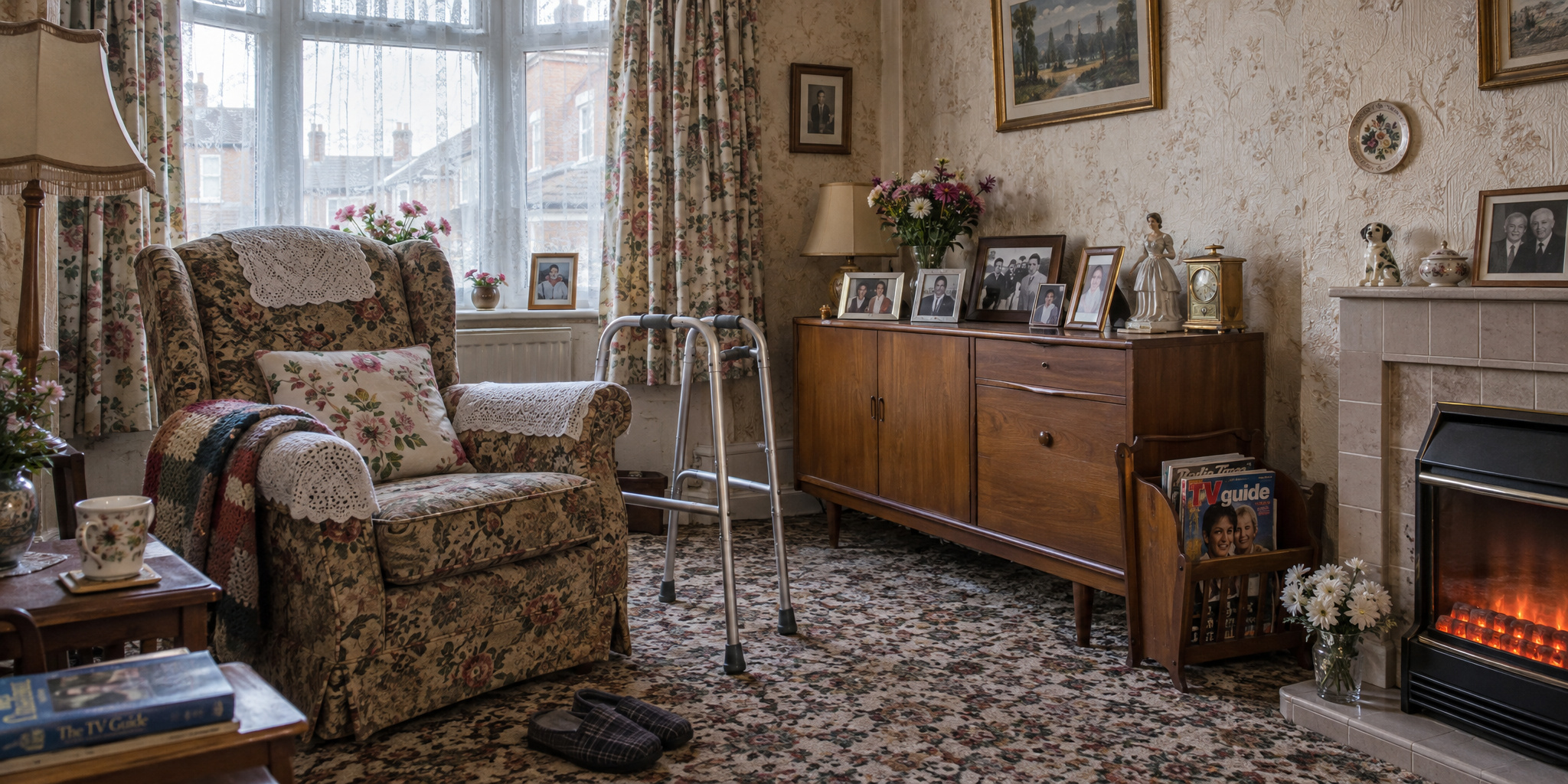

The decision to bring in professional care for an elderly relative rarely arrives as a single, clear moment. It accumulates—through small observations during a visit, a missed medication, a fall that was almost worse, a house that no longer looks quite the way it used to. Most families wait for a crisis before acting, and most families later wish they had acted sooner.
Home care is not an admission that a relative can no longer cope. It is a practical response to changes that are already happening, introduced at a pace that preserves independence rather than dismantling it. For families looking to support ageing loved ones, finding reliable home care Hammersmith services is essential to ensuring seniors can live safely and independently in their own neighbourhoods
The Signs Worth Taking Seriously
Certain changes consistently signal that support at home would make a difference. They are rarely dramatic on their own, but together they form a picture.
Difficulty with daily tasks. Clothes not washed, dishes piling up, meals skipped or replaced with snacks, medication missed or taken twice. These are often the first signs that everyday life has become harder than it should be.
Changes in personal care. Wearing the same clothes repeatedly, unwashed hair, or reluctance to bathe can indicate that mobility, balance, or confidence has declined. Arthritis, poor eyesight, or breathlessness can make personal care exhausting or unsafe.
Mobility and balance issues. Unsteady walking, hesitation on stairs, holding onto furniture for support, or new bruises that suggest a fall. Even a near-miss—grabbing a doorframe to stay upright—is worth taking seriously.
Memory lapses that affect safety. Forgetting appointments is common. Leaving the hob on, getting lost on familiar routes, or struggling to follow a conversation is not.
The home becoming difficult to manage. A once-tidy home that is now cluttered, with unopened post, spoiled food in the fridge, or bills that have not been paid can reflect fatigue, low mood, or cognitive decline rather than a lack of pride.
Loneliness and withdrawal. A relative who no longer attends groups, stops answering the phone, or seems anxious about leaving the house may need companionship as much as practical help.
Family carer exhaustion. Sometimes the clearest sign comes not from the relative but from the person already providing care. Feeling constantly worried, stressed, or exhausted is not a failure. It is a signal that the load needs to be shared.
Why Acting Early Matters
The instinct is often to wait until something goes wrong. That instinct is understandable, and it is usually counterproductive.
Introducing care before a crisis allows the relative to build a relationship with a carer gradually, on their own terms. It means support can begin with something modest—help with shopping, a weekly visit, companionship—and increase only if and when it is needed. It preserves independence rather than removing it all at once.
Waiting for a crisis, by contrast, often means the first experience of care is a hospital discharge, an emergency, or a decision made under pressure. The relative has less control, the family has less choice, and the transition is harder.
What Home Care Actually Looks Like
Home care is not a single service. It is a spectrum, and the right point on that spectrum depends on the individual.
Visiting care suits someone who is largely independent but needs help at particular times. A carer might visit once a week, daily, or several times a day to help with personal care, meals, medication reminders, or simply to provide company. Good practice suggests visits should be long enough to allow tasks to be done without rushing—an hour or more is often recommended .
Live-in care provides a carer who lives in the home and supports the person throughout the day. It suits someone who needs more continuous reassurance or assistance, or a couple who wish to remain together. It requires a spare bedroom and a realistic plan for the carer’s breaks.
Specialist support is available for conditions including dementia, Parkinson’s, and stroke recovery, and for people with complex health needs.
The Practical Steps
If the signs are there, the next step is not to choose a provider. It is to have a conversation.
Talk to your relative about what they are finding difficult, and what would make life easier. Involve them in the decision from the beginning. Their preferences about timing, the gender of a carer, routines, and how personal care is delivered are central to whether the arrangement feels respectful or intrusive.
Ask the local authority for a free adult social care needs assessment. This records what care is needed and whether the person is eligible for council-funded support. Even if the relative will pay privately, the assessment can identify equipment, adaptations, or community support alongside care visits.
If a hospital stay has prompted the conversation, speak to the discharge team before the person goes home. Short-term reablement can provide a bridge while longer-term care is arranged.
When choosing a provider in England, check that they are registered with the Care Quality Commission (CQC) for the service they are offering. Ask how they recruit, train, and supervise carers, and what happens if a regular carer is unwell or on holiday. Consistency matters, particularly for someone living with dementia.
The Final Point
Home care is worth considering when the changes are visible, not when the crisis arrives. The signs are rarely dramatic, but they are consistent: difficulty with daily tasks, changes in personal care, mobility issues, memory lapses that affect safety, a home that has become hard to manage, and a family carer who is running out of capacity.
Acting early does not mean taking over. It means introducing support at a pace that respects the person’s independence and gives them a say in how their life continues. The conversation is often the hardest part. The care itself, done well, is usually a relief.