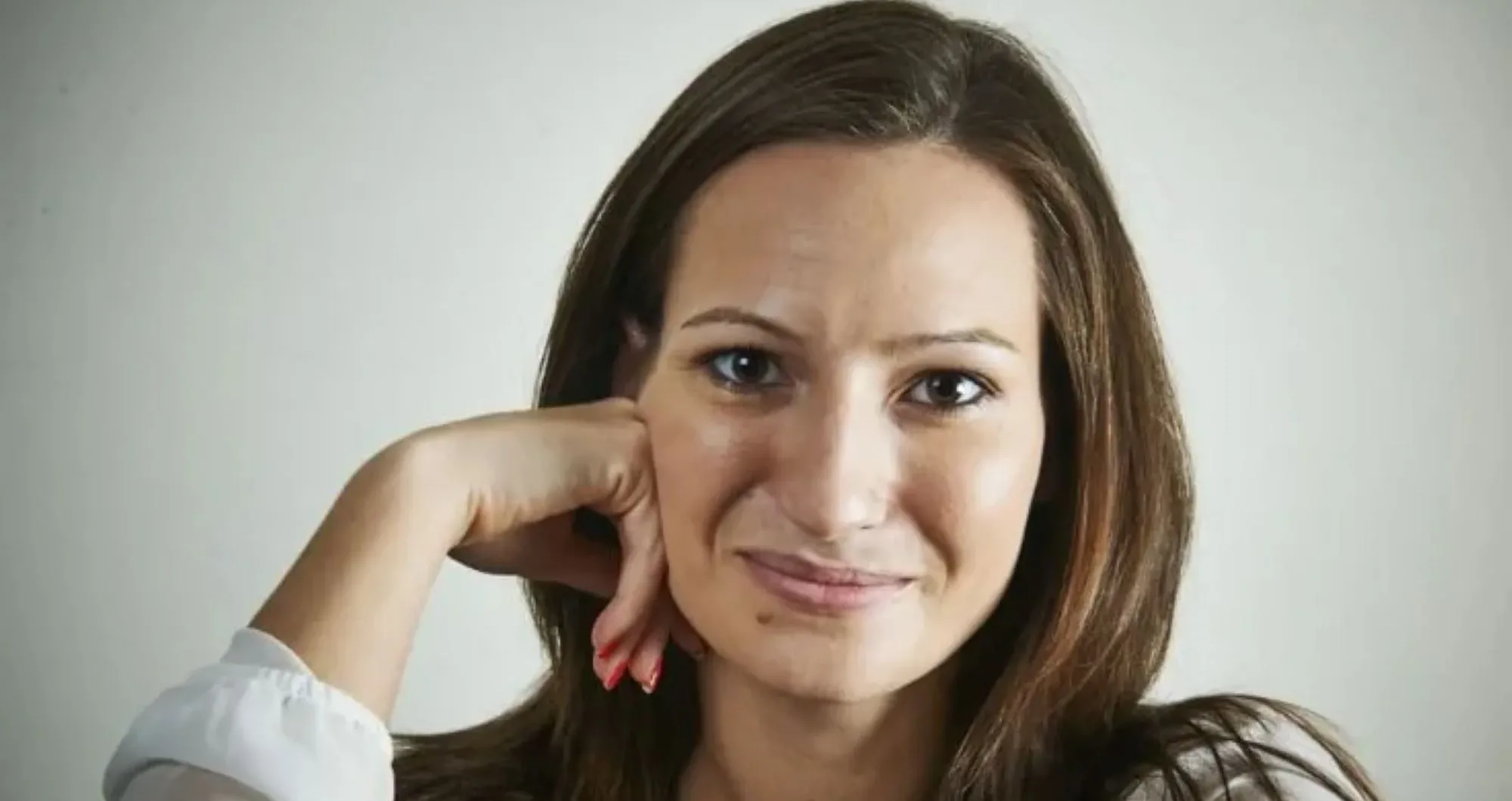

Victoria Lee founded 100 Pound Social as a fully remote business in 2017, facing early challenges with limited technology and the need to develop in-house tools.
When COVID-19 forced many businesses to transition to remote work, Victoria’s company was already prepared. As scepticism now spreads about the productivity of remote working models, Victoria shares the benefits to employees, as her own company enjoys seven years of consistent growth.
Victoria on founding 100 Pound Social as a fully remote business in 2017:
“In the early days, the biggest challenge was the technology. Things like Zoom were still pretty basic and we had to build much of the tech we required in-house, which was expensive and time-consuming. Well-documented processes are vital when you’re managing a remote team. Team members must be able to easily access processes in the absence of having easy access to team members to communicate with and ask for assistance”.
Victoria on COVID shifting businesses to a WFH model
“COVID was an interesting time when lots of businesses struggled to shift to working from home. We did not have that issue. Although, for obvious reasons, Covid impacted our business growth”.
Victoria on whether the WFH model works
“I think the talk about work from home models not being sustainable long term comes from a place of fear; working from home has huge benefits for employees in terms of their job, happiness and productivity, but employers feel they are losing control. Businesses need to shift to a ‘deliverables’ model where expectations are placed on the volume and quality of work delivered, and the employee is reviewed based on what they’ve ‘delivered’ rather than perceived ‘hard slog’ and long hours (which often lead to poor quality output.) This model facilitates working from home.
The advantages of operating a fully remote business are huge. We can access talent from across the UK, as well as working with the UK expats who are based abroad.
This opens up a huge pool of talent when we recruit that wouldn’t be available if we were tied to candidates in a physical location. Our overhead operating costs are obviously much lower as a result of not having an office.
We are also able to hire a more diverse team of people, and we’ve built a wonderful team who are committed to the company but also prioritise their personal lives and happiness. This has created a lovely culture.
We’ve scaled from my living room to a core team of 8 and a writer/editor team of 40+”.
Victoria on the future of remote work:
“I see the future of remote working evolving into a hybrid model. Workers today, especially under 30s, will never, ever return to a five-day week. Workplaces and business owners need to adapt to remote working if they want to attract the top talent”.