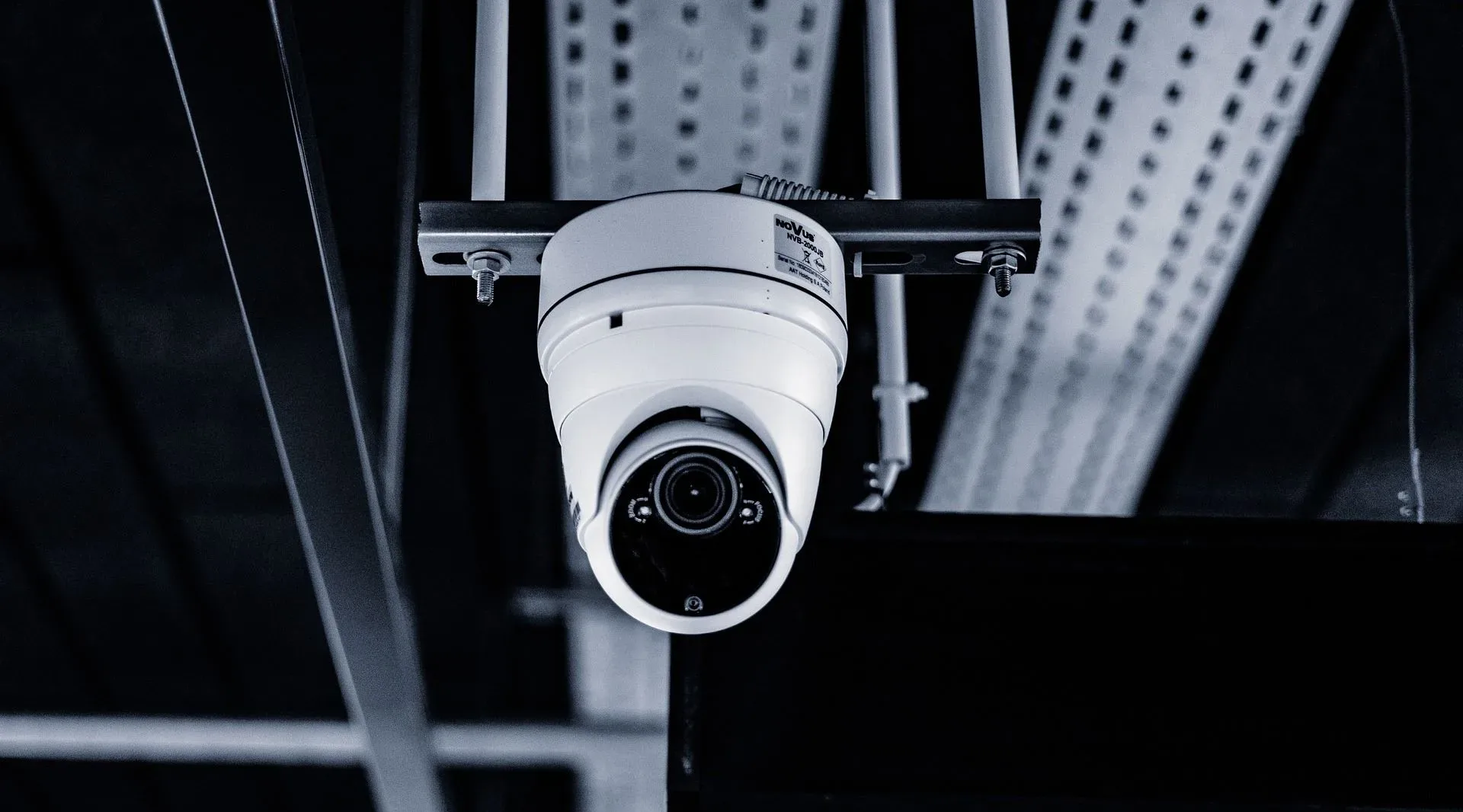

The demand for skilled CCTV professionals continues to grow as businesses, public authorities and private organisations invest in advanced surveillance systems to improve safety and reduce crime. Completing a CCTV operator course provides the knowledge and practical skills needed to operate monitoring systems professionally while opening the door to a wide range of rewarding career opportunities within the UK’s private security industry.
Modern CCTV operators do far more than simply watch camera feeds. They play a vital role in preventing incidents, protecting people and property, gathering evidence, and supporting emergency services during critical situations.
What Does a CCTV Operator Course Cover?
A professional CCTV qualification introduces learners to the knowledge required for operating surveillance systems safely, legally and effectively.
Typical areas of study include:
- CCTV legislation
- Data protection responsibilities
- Surveillance techniques
- Monitoring procedures
- Incident reporting
- Communication skills
- Evidence handling
- Health and safety
- Working with emergency services
The course combines classroom learning with practical knowledge, helping learners understand how surveillance technology supports crime prevention across various industries.
Why CCTV Operators Are More Important Than Ever
Technology has transformed the security sector.
Shopping centres, office buildings, hospitals, transport hubs, schools, warehouses and residential developments now rely heavily on CCTV systems to improve security and assist with investigations.
Professional operators help organisations by:
- Detecting suspicious behaviour
- Monitoring restricted areas
- Identifying safety hazards
- Recording evidence
- Assisting police investigations
- Supporting emergency evacuations
- Reducing theft and vandalism
Their observations often allow incidents to be prevented before they escalate.
Career Opportunities After Completing a CCTV Operator Course
One of the biggest advantages of CCTV training is the variety of industries that require qualified professionals.
Successful learners may find employment within:
- Retail security
- Corporate security
- Shopping centres
- Local authorities
- Hospitals
- Airports
- Rail operators
- Universities
- Logistics companies
- Manufacturing facilities
- Event management companies
Many employers actively seek applicants with recognised CCTV qualifications because they require less additional training before beginning work.
Skills That Make an Excellent CCTV Operator
Technical knowledge alone is not enough.
Successful CCTV operators combine observation skills with professionalism and sound judgement.
Important qualities include:
Strong Attention to Detail
Operators must notice unusual activity that others could easily overlook.
Excellent Communication
Information must be shared clearly with security teams, management and emergency services.
Calm Decision-Making
Security incidents often develop quickly, making logical thinking under pressure essential.
Professional Integrity
Operators handle sensitive information and must understand confidentiality and legal responsibilities.
Technology Awareness
Modern surveillance systems continue to evolve, requiring operators to remain comfortable using new equipment and software.
The Benefits of Professional CCTV Training
Quality training prepares learners for real workplace situations rather than simply helping them pass assessments.
Practical learning develops confidence while improving understanding of industry best practices.
Professional training also helps learners:
- Understand current legislation
- Improve observational skills
- Develop effective reporting techniques
- Build confidence using surveillance equipment
- Learn professional communication
- Recognise suspicious behaviour
- Support public safety
These skills remain valuable throughout a long-term career within the security industry.
CCTV Technology Continues to Evolve
Today’s surveillance systems are significantly more advanced than those installed only a few years ago.
Many organisations now use:
- High-definition cameras
- Remote monitoring
- Artificial intelligence
- Motion detection
- Facial recognition technology
- Automatic number plate recognition (ANPR)
- Cloud-based recording systems
Although technology continues to improve, trained operators remain essential because professional judgement cannot be replaced by automation alone.
Understanding how to work alongside modern surveillance technology is becoming increasingly valuable for security professionals.
Choosing the Right CCTV Operator Course
Not every training provider delivers the same quality of learning experience.
When selecting a course, learners should consider:
- Accredited qualifications
- Experienced instructors
- Practical learning sessions
- Modern training facilities
- Flexible course availability
- Positive learner feedback
- Ongoing learner support
Choosing a recognised provider helps ensure learners develop both theoretical understanding and practical workplace skills.
Combining CCTV Skills with Other Security Qualifications
Many professionals choose to expand their career options by combining CCTV qualifications with additional security training.
Popular combinations include:
- Door Supervisor training
- Security Guard training
- Emergency First Aid
- Conflict Management
- Fire Safety Awareness
- Refresher qualifications
Holding multiple qualifications can increase employability while allowing professionals to work across different security environments.
Professional Development Creates Long-Term Opportunities
The security industry offers numerous opportunities for progression.
Experienced CCTV operators often move into supervisory, control room management or operations roles after gaining workplace experience.
Continuous learning demonstrates commitment to maintaining professional standards and helps individuals remain competitive within an evolving industry.
Learners looking to build a successful career can benefit from a recognised CCTV operator course offered by SecureX Premium Services, providing practical, industry-relevant training that helps prepare them for opportunities across multiple areas of the UK’s private security sector.
Building a Successful Security Career
Surveillance technology has become one of the most important tools in modern security, but its effectiveness depends on knowledgeable professionals who use it responsibly.
Completing a recognised CCTV operator qualification provides learners with valuable practical skills while improving employment prospects across a wide variety of industries.
Whether starting a new career or expanding existing security qualifications, investing in professional CCTV training offers a solid foundation for long-term success in one of the UK’s fastest-growing security specialisms.