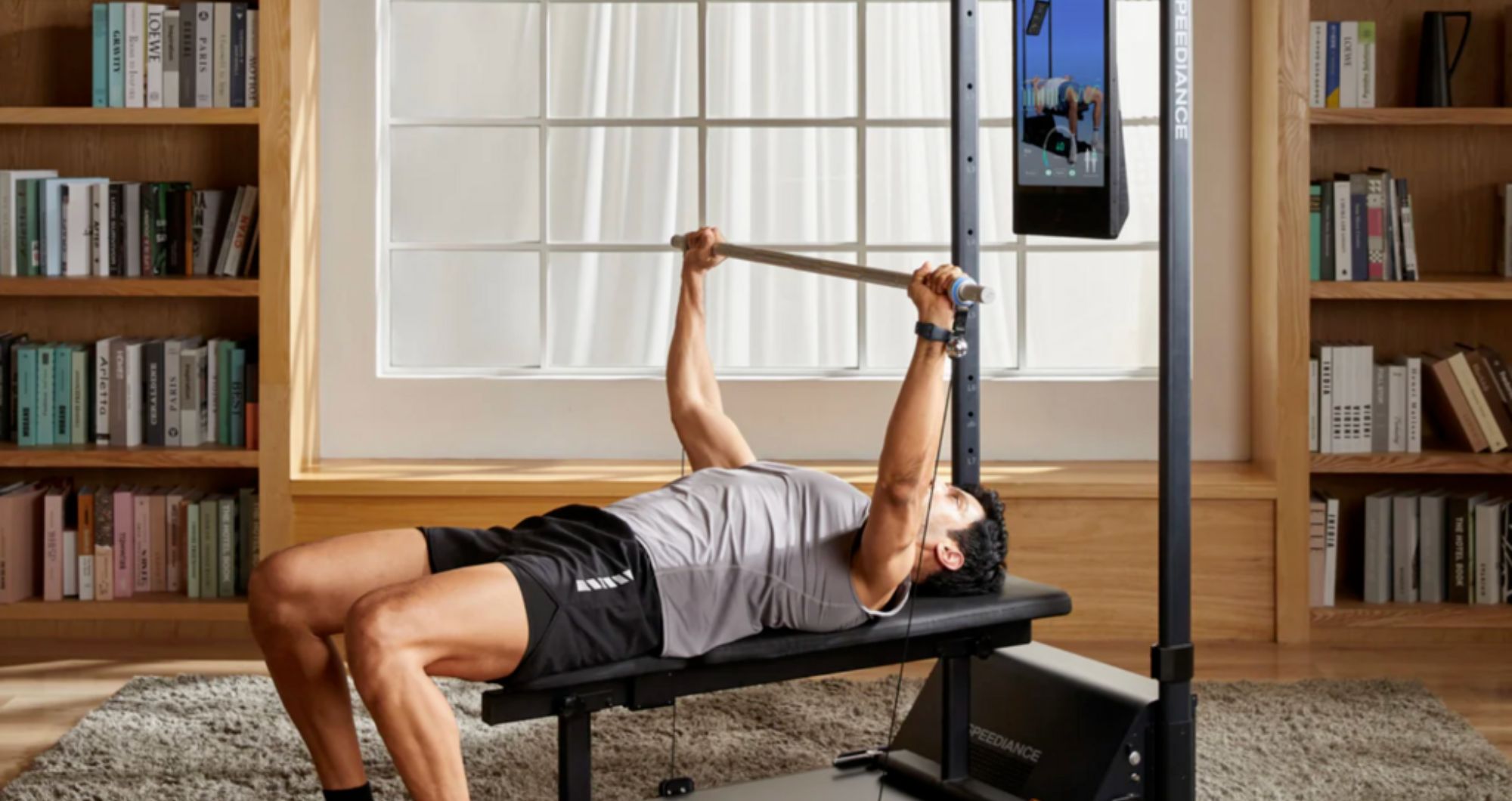

Artificial intelligence is becoming increasingly visible in the fitness industry, particularly as digital technologies play a growing role in everyday life. Across the UK, interest in connected fitness solutions has grown alongside broader lifestyle shifts, including hybrid working arrangements, more flexible daily routines, and a greater emphasis on convenience. Whether you live in a compact city flat in London or a suburban home in Manchester, the way people approach fitness is changing — and technology is at the centre of that shift.
Rather than replacing traditional gyms or personal trainers, AI-powered fitness tools often serve as an additional layer of support. Many of these systems help users organise their workouts, track progress, and access guided sessions from home or while travelling. Companies like Speediance are part of this broader movement, developing connected home fitness equipment that combines hardware and software into a single, integrated platform designed for modern living spaces.
The Shift Towards Flexible, Data-Driven Training
One of the key reasons AI-powered fitness solutions are attracting so much attention is the rising demand for flexibility. Across the UK, many professionals now split their working hours between the office and home — a development that has significantly influenced how and when people exercise.
Shorter, more structured workouts have become increasingly popular, especially among those balancing fitness goals with professional and family commitments. In cities where living space is often limited, compact and multifunctional exercise equipment is frequently preferred over large, traditional gym machines.
AI-powered systems are specifically designed to support this kind of flexibility. Here is how they typically work:
- They suggest adjustments to training plans based on past workouts and exercise frequency.
- They can be paired with wearables to provide additional workout data and performance analysis.
- They reduce the planning required before a workout begins, making it easier to stay consistent.
- They adapt over time as the user’s fitness level and goals evolve.
While this does not necessarily make training easier or more effective for everyone, it can help some users stick to their routine more consistently by removing common barriers to getting started.
Personalisation Is Becoming a Priority
Another key factor driving the rise of AI fitness technology is personalisation. Traditional training programmes are often generic and designed for a broad audience. AI-powered systems, by contrast, aim to tailor recommendations to each user’s individual patterns, history, and goals.
Benefits for Beginners
For beginners, this kind of targeted guidance can feel far less intimidating than trying to navigate complex fitness routines independently. Instead of building workout plans from scratch, users can follow structured recommendations that evolve based on their activity levels and training history. This lowers the barrier to entry and makes it easier for people who are new to fitness to build lasting habits.
Benefits for Experienced Users
For more experienced users, AI tools can offer a different kind of value. Rather than replacing existing knowledge, they can help with tracking performance over time, identifying plateaus, and suggesting variations to keep training fresh and progressive. The ability to monitor metrics such as resistance levels, rep counts, and recovery patterns gives users a clearer picture of their long-term progress.
Why AI Appeals to Home Fitness Users
AI-powered fitness solutions are particularly well suited to individuals who value efficiency and routine. Guided sessions, automatic resistance adjustments, and digital progress tracking can simplify the workout experience for users who prefer structured home workouts.
In the UK, where many households have limited space, the appeal of compact, multifunctional equipment is significant. Rather than setting up a full home gym, many consumers seek equipment that enables a wide variety of training styles within a smaller footprint. Connected strength training systems are increasingly designed with this in mind — offering adaptability, guided training, and long-term ease of use that goes beyond what traditional gym setups can provide.
At the same time, many users continue to combine digital fitness tools with outdoor activities, gym visits, or in-person coaching. AI-powered systems are often used to complement a broader fitness routine rather than serve as a complete replacement for traditional training environments.
The Limitations of AI in Fitness
Despite growing interest in AI-powered fitness technology, it is important to acknowledge that these systems have real limitations. Understanding these limitations helps users make informed decisions about how to incorporate them into their routines.
Health and Safety Considerations
Digital coaching tools cannot replace medical professionals, physiotherapists, or qualified personal trainers in situations requiring specialist care. Software-generated workout recommendations may not always account for individual health conditions, mobility limitations, or current fitness levels. The accuracy of automated feedback on exercise form can also vary depending on the specific equipment and software being used.
Data Privacy
Data privacy and data usage remain ongoing topics of discussion across the UK and Europe. When fitness platforms collect personal training information or activity data, transparency about how that data is stored and used becomes essential. As connected fitness ecosystems continue to expand, consumers are right to ask questions about data handling before committing to a platform.
For these reasons, many users view AI fitness tools as supportive technologies rather than as the sole authority on their fitness journey. Human coaching, personal judgement, and balanced training habits continue to play a significant role in long-term fitness outcomes.
Conclusion
AI-powered fitness solutions are gaining popularity because they align with broader lifestyle shifts — specifically the demand for flexibility, personalisation, and convenience. In the UK, where busy schedules, limited living space, and hybrid working patterns are increasingly common, connected fitness technology fits naturally into the evolving wellness landscape.
While AI is unlikely to completely replace traditional gyms or professional trainers, it is becoming an increasingly integral part of how people approach their workouts. As home fitness technology continues to develop, AI-powered tools are likely to remain a valuable option for individuals seeking structured, adaptable, and data-informed ways to stay active — whether they are just starting out or looking to take their training to the next level.