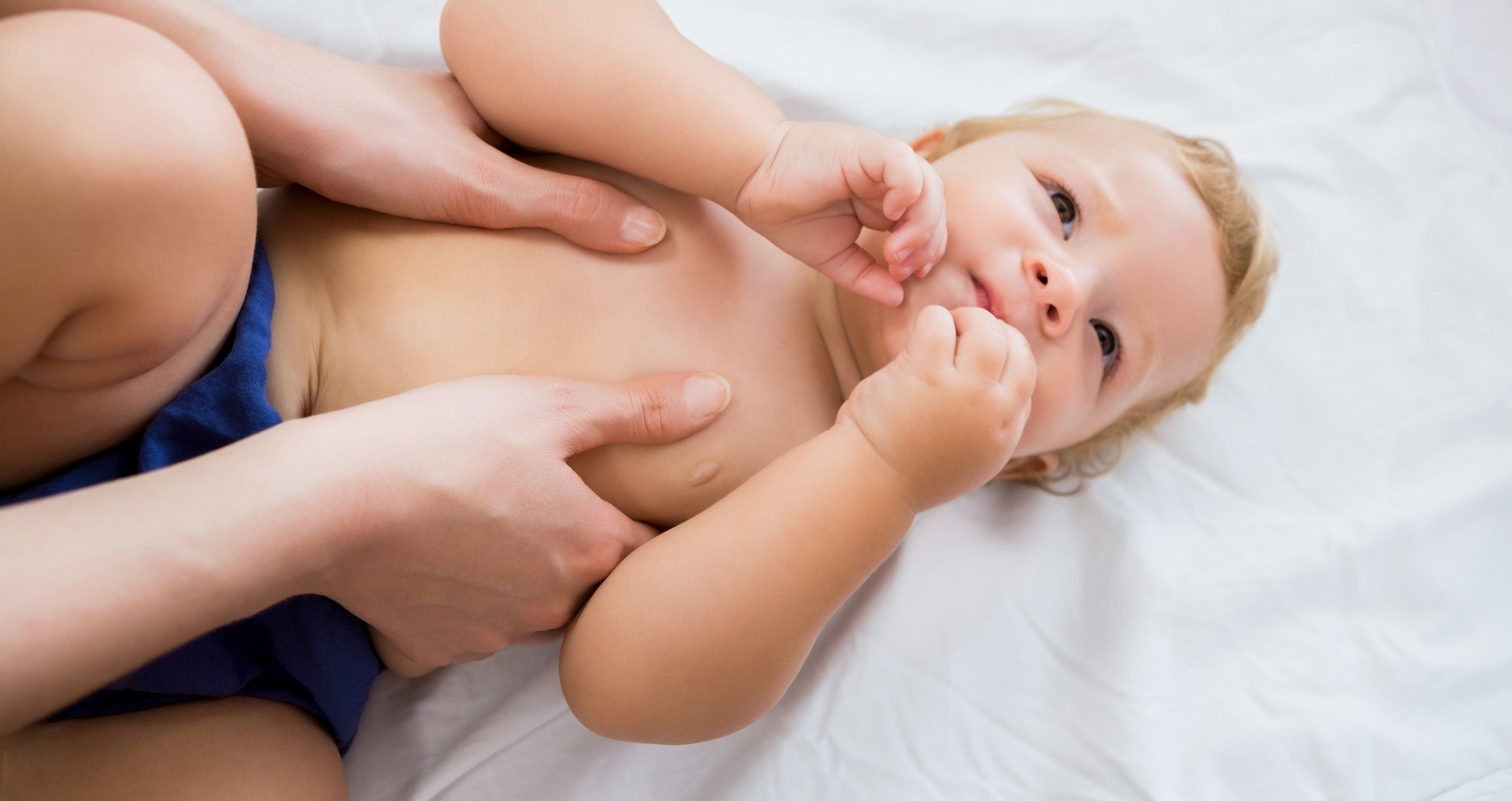

The journey of parenthood is a beautiful experience filled with discovery. As parents hold a precious newborn, they often discover the incredible power of touch. Baby massage is more than just a soothing technique; it is a profound way to connect with an infant while supporting their development.
In this article, we explore the numerous benefits of baby massage, how to get started, simple techniques that can be used immediately, and answers to common questions that new parents often have about this excellent practice.
The Amazing Benefits of Baby Massage
Incorporating baby massage into a daily routine gives a newborn a gift that supports their overall well-being. Research shows that regular massage helps babies sleep more soundly and for longer periods. This translates to better rest not just for the little one, but for the parents as well.
For babies struggling with digestive issues, massage for newborns can be particularly beneficial. Gentle strokes on the tummy help relieve gas and constipation, reducing discomfort and fussiness. Many caregivers notice a significant improvement in a baby’s digestive comfort after just a few sessions of targeted massage.
Beyond immediate comfort, baby massage strengthens a child’s developing immune system. The gentle stimulation activates various bodily functions, helping the baby build natural defences against common illnesses. This foundation of health is one of the most significant advantages provided in those early months.
Perhaps most importantly, massage creates an unbreakable bond between parent and child. Through skin-to-skin contact and focused attention, the baby feels secure, loved, and connected. This emotional foundation supports healthy development in ways that extend far beyond infancy.
Getting Started: Simple Steps for Success
Beginning a baby massage journey is more straightforward than one might think. The ideal time is when the baby is calm and alert, not immediately after feeding or when they are overly tired. It is often found that a massage before bedtime helps establish a soothing routine that signals sleep time is approaching.
Creating the right environment is essential. A warm, quiet room with no disturbances is best. Laying a soft towel or blanket on a comfortable surface, with all necessities within reach, helps both the parent and baby relax into the experience.
When it comes to choosing the right massage oil, not all products are created equal. Here is a simple comparison to help make the best choice for a newborn:
| Oil Type | Benefits | Considerations |
| Coconut Oil | Natural, moisturising, antibacterial | Use the fractionated (liquid) form |
| Almond Oil | Light texture, rich in vitamins | Avoid if there are nut allergies in the family |
| Jojoba Oil | Similar to the skin’s natural oils | More expensive option |
| Sunflower Oil | Light, non-greasy, affordable | Look for a cold-pressed version |
Before beginning, warm a small amount of oil between the hands. The touch should be gentle but firm. Start with soft strokes and gradually increase pressure as the baby responds positively. For more detailed guidance, check out the comprehensive guide to newborn massage.
A Gentle Guide to Baby Massage Techniques
A complete baby massage doesn’t need to be complicated. In fact, simplicity often works best. Begin with the baby lying on their back, and follow this gentle sequence:
- Legs and feet: Start with gentle squeezing from the thigh to the ankle, then massage each toe with your thumb.
- Tummy: Use clockwise circular motions with fingertips, moving from the belly button outward.
- Chest: Place both hands on the centre of the chest and stroke outward toward the shoulders.
- Arms and hands: Gently squeeze from the shoulder to the wrist, then massage each finger individually.
- Face: With thumbs, stroke from the centre of the forehead outward, then across the cheeks.
- Back: Turn the baby onto their stomach and stroke from the neck to the bottom with both hands.
For babies struggling with gas, pay special attention to the tummy massage. The “I Love U” technique, tracing these letters on the baby’s abdomen, can be particularly effective for moving trapped gas. The newborn massage tutorial provides a detailed demonstration of this technique.
Reading the baby’s cues is essential. If they stiffen, cry, or turn away, they may be overstimulated or simply not in the mood. In these cases, it is best to pause and try again later. A successful massage session can be as short as 5-10 minutes, especially for newborns.
Expert Tips for Making Massage a Happy Routine
Consistency is key when it comes to baby massage. Try to incorporate it into the daily routine at roughly the same time each day. It is often found that after bath time, before bed, it works well as the warm water has already relaxed the baby.
As the baby grows, massage techniques will naturally adapt. What works for a newborn might be too light for a six-month-old. Paying attention to the baby’s responses and adjusting pressure and style accordingly is vital. This evolution of touch is a beautiful way to stay connected as the child develops.
If the baby seems fussy during massage, do not force it. Sometimes, simple hand-holding or gentle stroking is all that is needed. The goal is connection, not perfection. Remember that some days the baby will be more receptive than others; this is entirely normal.
Make massage a special bonding time by talking or singing softly to the baby. Eye contact and smiles enhance the experience and strengthen the connection. This focused attention tells the baby they are loved and valued, which is foundational for emotional development. For more tips on incorporating massage into a routine, see the essential newborn care guide.
Frequently Asked Questions About Baby Massage
Is baby massage safe for all newborns?
While baby massage is generally safe, it is always advisable to consult with a paediatrician before starting, especially if the baby has any underlying medical conditions. For most healthy newborns, gentle massage is not only safe but beneficial. Always avoid massaging areas with rashes, wounds, or recent vaccinations.
How soon after birth can parents start massaging a baby?
Gentle massage can begin as soon as parents feel comfortable, typically after the umbilical cord has fallen off and healed completely, usually around 1-2 weeks after birth. However, even before then, simple skin-to-skin contact and gentle stroking can provide similar benefits.
What if the baby has sensitive skin?
Babies with sensitive skin can still enjoy massage, but the selection of oils must be done carefully. Choose hypoallergenic options and always do a patch test on a small area of skin first. Some parents prefer to use no oil at all, especially in the early weeks. If any redness or irritation is noticed, discontinue use and consult a paediatrician.
Can massage really help with colic?
Many parents find that regular massage helps alleviate symptoms of colic. Gentle pressure on the abdomen can help release trapped gas and provide relief from discomfort. While massage may not “cure” colic, it can certainly reduce symptoms and provide comfort to both baby and parents during difficult episodes.
What are the prenatal massage benefits for the baby?
While this article focuses on postnatal massage, it is worth noting that prenatal massage offers benefits for both mother and baby. For the developing baby, maternal relaxation promotes better blood flow and nutrient delivery. The reduction in maternal stress hormones creates a more peaceful environment for fetal development. Many of these benefits continue after birth when baby massage becomes part of the routine.
Conclusion: Making Baby Massage a Part of the Parenting Journey
As parents embark on the beautiful journey of raising a child, baby massage offers a simple yet profound way to support a newborn’s development while strengthening the parent-child bond. The benefits extend far beyond the immediate soothing effects; touch is a fundamental human need that promotes physical, emotional, and cognitive well-being.
For mothers seeking professional support during their recovery, PNSG offers comprehensive postnatal massage services designed to promote healing and relaxation. While the primary focus is on maternal care, those who book the PNSG Premium Postnatal Massage Package will receive a complimentary baby massage session/tutorial. This allows parents to learn proper techniques from professionals, ensuring they can continue to provide these amazing benefits to their little ones at home.
Here is to many peaceful, connected moments with the little one through the power of touch!