
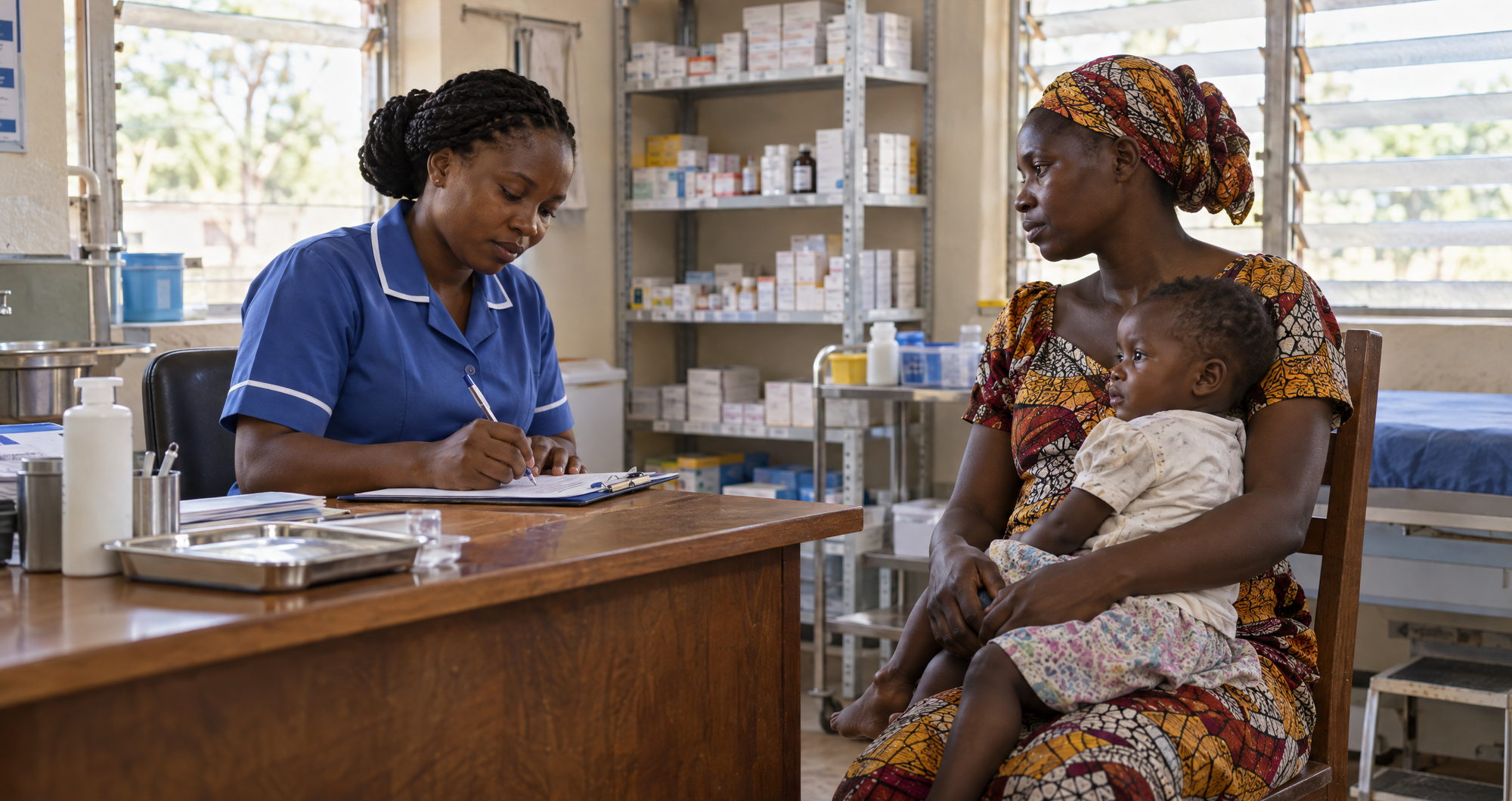

The Global Fund’s board has approved a new financing mechanism aimed at the countries with the highest malaria burden and the least capacity to pay for themselves, and confirmed Mark Dybul as its next executive director.
The decisions were taken at the board’s 56th meeting in Geneva from 28 to 30 October and published on 3 November. Dybul, a former head of the US President’s Emergency Plan for AIDS Relief, will take up the role in early 2027.
The Malaria Impact Accelerator
The accelerator is designed to mobilise additional restricted private philanthropic money for the countries where progress against malaria has stalled. Its structure allows donors to fund specific programmes within those countries rather than contributing to the general replenishment pool.
The mechanism reflects a shift in global health financing. Traditional donor budgets have flattened, and organisations are looking for ways to bring in private money without creating parallel systems that duplicate what countries already run.
Malaria has been the hardest test of that approach. Progress stalled around 2019 as resistance to insecticides and drugs spread, funding levelled off, and the countries with the highest burden struggled with conflict and weak health systems.
The leadership change
Dybul will succeed Peter Sands, who remains in post until early 2027. The board also confirmed Erna Solberg, the former prime minister of Norway, as chair and Javier Hourcade Bellocq as vice-chair, succeeding Roslyn Morauta and Bience Gawanas.
Dybul’s record is contested. He led PEPFAR during a period of rapid expansion and has since worked on global health financing and pandemic preparedness. His appointment signals continuity in the fund’s approach of directing money through country systems rather than through separate delivery mechanisms.
The financial picture
The board approved operating expenses of US$325m for 2027 and US$31m for country coordinating mechanisms over 2027-29. Sands reported that the fund had mobilised nearly US$6bn in total investments in health and community systems over 2024-26.
Eighty-seven per cent of country allocations for 2027-29 are expected to be reviewed by the end of the year, a compressed timetable that determines how quickly money reaches programmes. A pooled procurement agreement with the World Bank has seen 23 countries place 55 orders, part of an effort to reduce the prices paid for medicines and diagnostics.
The fund is also preparing for the introduction of the first new tuberculosis vaccine in 2027, which will require delivery systems that can reach adults as well as children. Existing immunisation programmes are built around childhood schedules, and adding an adult vaccine is a substantial operational change.
Why it matters
The Global Fund provides around a quarter of all international financing for HIV, tuberculosis and malaria. Its decisions determine whether clinics have drugs, whether community health workers are paid and whether surveillance systems can detect outbreaks early.
Its replenishment cycle is a political test as much as a financial one. Donor governments are managing domestic budget pressures, and several have shifted towards bilateral deals and specific programme funding rather than unrestricted contributions.
The accelerator is an attempt to work within that constraint. Whether it can raise meaningful additional money for the highest-burden countries without fragmenting the fund’s model is the question its first year will answer.







