
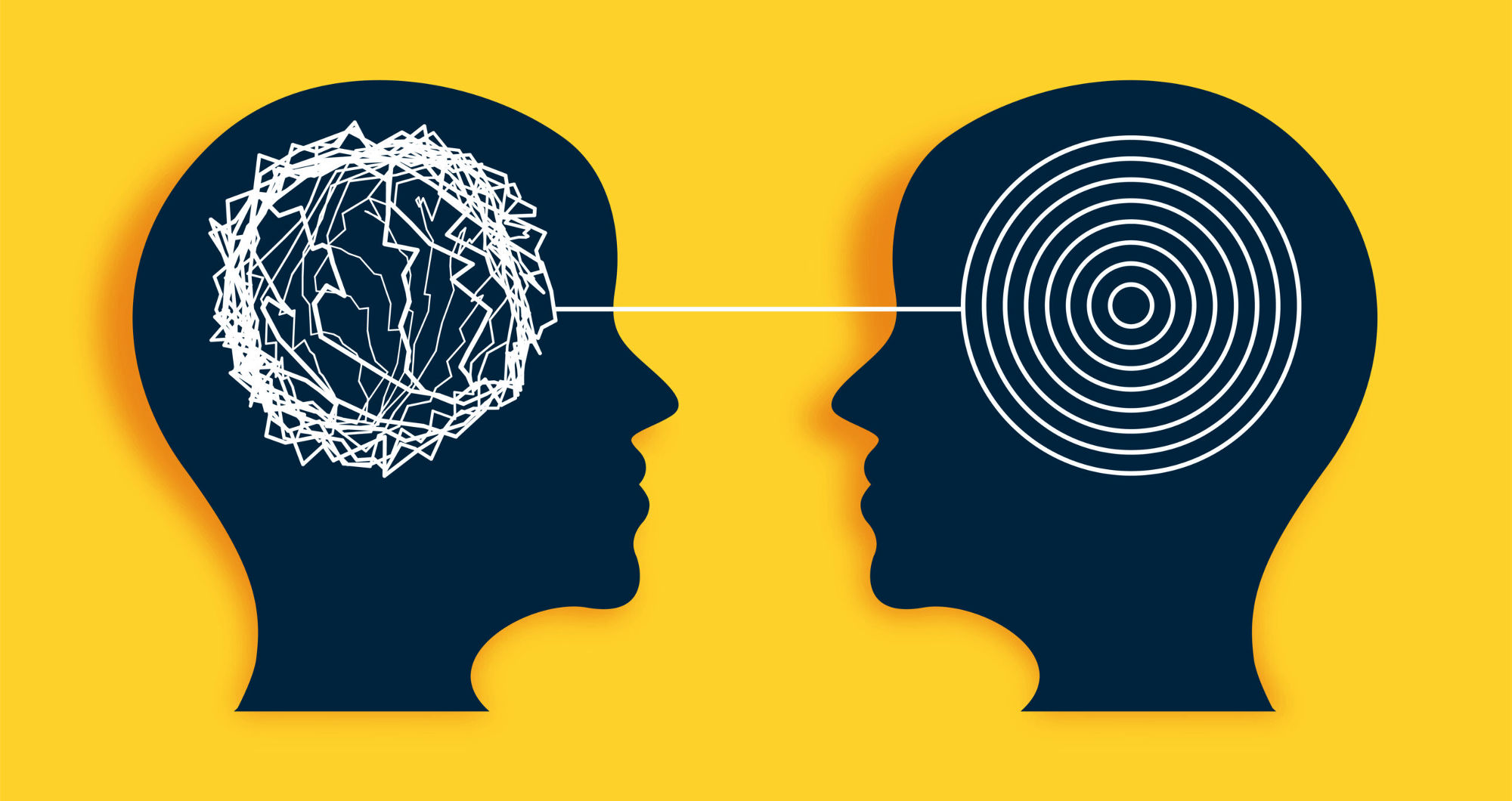

The life coaching industry has long been built on a foundation of “standard” success strategies: SMART goals, rigid accountability structures, and the idea that if you simply want it enough, you’ll find the willpower to get it done. For a neurotypical client, these frameworks can be transformative. But for the neurodivergent community, these same tools can be inadvertently shaming, ineffective, or even harmful.
With neurodivergent people making up an estimated 15% of the UK population, you’ve likely encountered a client who seems “stuck” despite their high intelligence and deep desire for change. They miss appointments, struggle with follow-through on simple tasks, or appear overwhelmed by the very goal-setting process that usually inspires others. In many cases, this isn’t a lack of motivation—it’s a brain-based difference. Without specialised neurodivergent coaching skills, even the most well-meaning coach can fall into the trap of “trying harder” rather than “trying differently.”
The Problem with “Standard” Accountability
Traditional coaching often relies on external accountability. The coach asks, “What will you do by next Tuesday?” and the client agrees. When a neurotypical person fails to follow through, it’s often a matter of shifting priorities. However, for a client with ADHD, “executive dysfunction” is a physical reality.
When a general life coach doubles down on accountability—checking in more often or asking, “How much does this goal really matter to you?”—they are essentially asking a person with a broken leg to “walk faster” through sheer willpower. This creates a shame cycle. The client feels like a failure, and the coach feels frustrated. This is exactly where ADHD coach training becomes essential; it teaches you to stop coaching the “will” and start coaching the “way.”
Why SMART Goals Aren’t Always Smart
We’ve been taught that goals must be Specific, Measurable, Achievable, Relevant, and Time-bound. But for many in the neurodivergent community, the “Time-bound” aspect can trigger “Time Blindness,” a common trait where the future feels like a vague fog. Furthermore, the linear nature of SMART goals doesn’t always align with the non-linear, associative thinking patterns found in those with dyslexia or ASD.
Effective neurodivergent coaching replaces rigid frameworks with “Life-Design” strategies. Instead of forcing a client into a pre-set mold, a trained coach helps them build an environment that supports their unique brain wiring. We shift from “What is the goal?” to “How does your brain want to move toward this?”
The Ethics of Specialised Training
As the coaching profession matures, the ethical bar is rising. It is becoming increasingly clear that a “one size fits all” approach is no longer sufficient. To be truly effective and ethical, coaches need to understand the biological and neurological underpinnings of their clients’ behaviours.
By pursuing specialised ADHD coaching credentials, you aren’t just adding a niche to your LinkedIn profile; you are gaining the tools to stop the cycle of shame. You learn to recognise masking, sensory sensitivities, and the “intention-action gap.” You learn to use NLP (Neuro-Linguistic Programming) techniques to help clients reframe their identity from “broken” to “differently wired.”
Conclusion
The shift from general coaching to specialised neurodivergent coaching is about more than just a new set of tools—it’s about a new way of seeing. When we stop trying to fix neurodivergent clients and start helping them design lives that actually fit their brains, the results are life-changing.
If you’re ready to move beyond the limits of standard coaching and gain the ICF-accredited skills needed to support ADHD, ASD, and Dyslexic clients, the iNLP Centre Neurodiversity Coach Training offers the deep, NLP-based methodology required to excel in this essential field.







