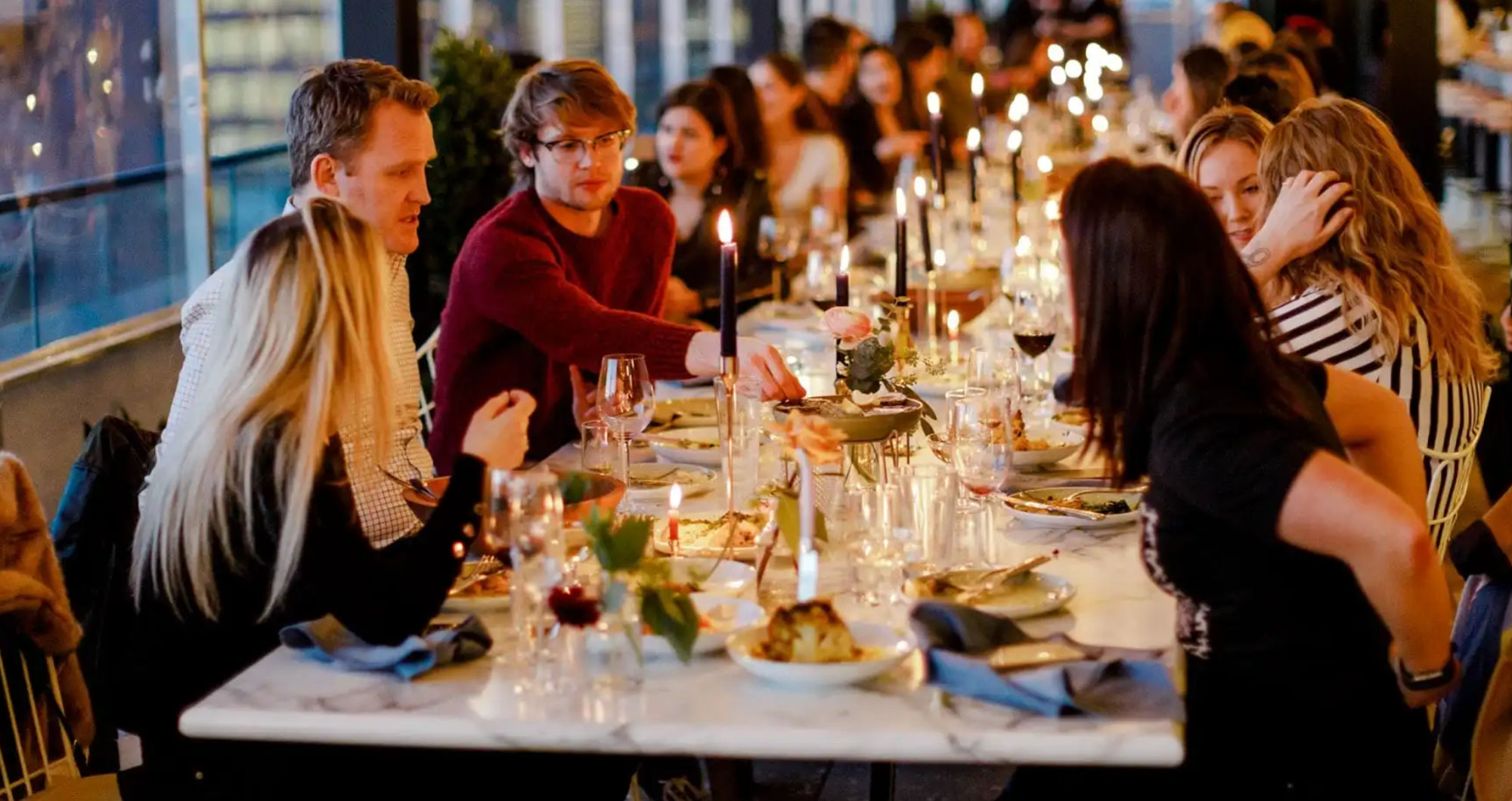

Dining out has always been about more than the food on the table. Across London and the UK, restaurants are increasingly welcoming larger parties as friends, families and colleagues choose to spend time together over a shared meal. Changing lifestyles, flexible working and a growing interest in experiences rather than possessions have all contributed to the rise of social eating.
From neighbourhood restaurants to high-end venues, businesses are adapting to meet the growing demand for group dining, offering everything from sharing menus and private dining spaces to set menus designed for larger gatherings. The trend reflects a broader shift towards making meals a social occasion rather than simply a necessity.
People Are Prioritising Shared Experiences
Many people now place greater value on spending quality time with friends and family. While messaging apps and video calls make it easy to stay in touch, they rarely replace the experience of sitting around a table and enjoying a meal together.
This shift has encouraged more people to organise regular get-togethers, whether for birthdays, anniversaries, reunions or informal weekend lunches. Restaurants provide a convenient setting where everyone can relax without the responsibilities of hosting at home.
London’s Hospitality Industry Is Responding
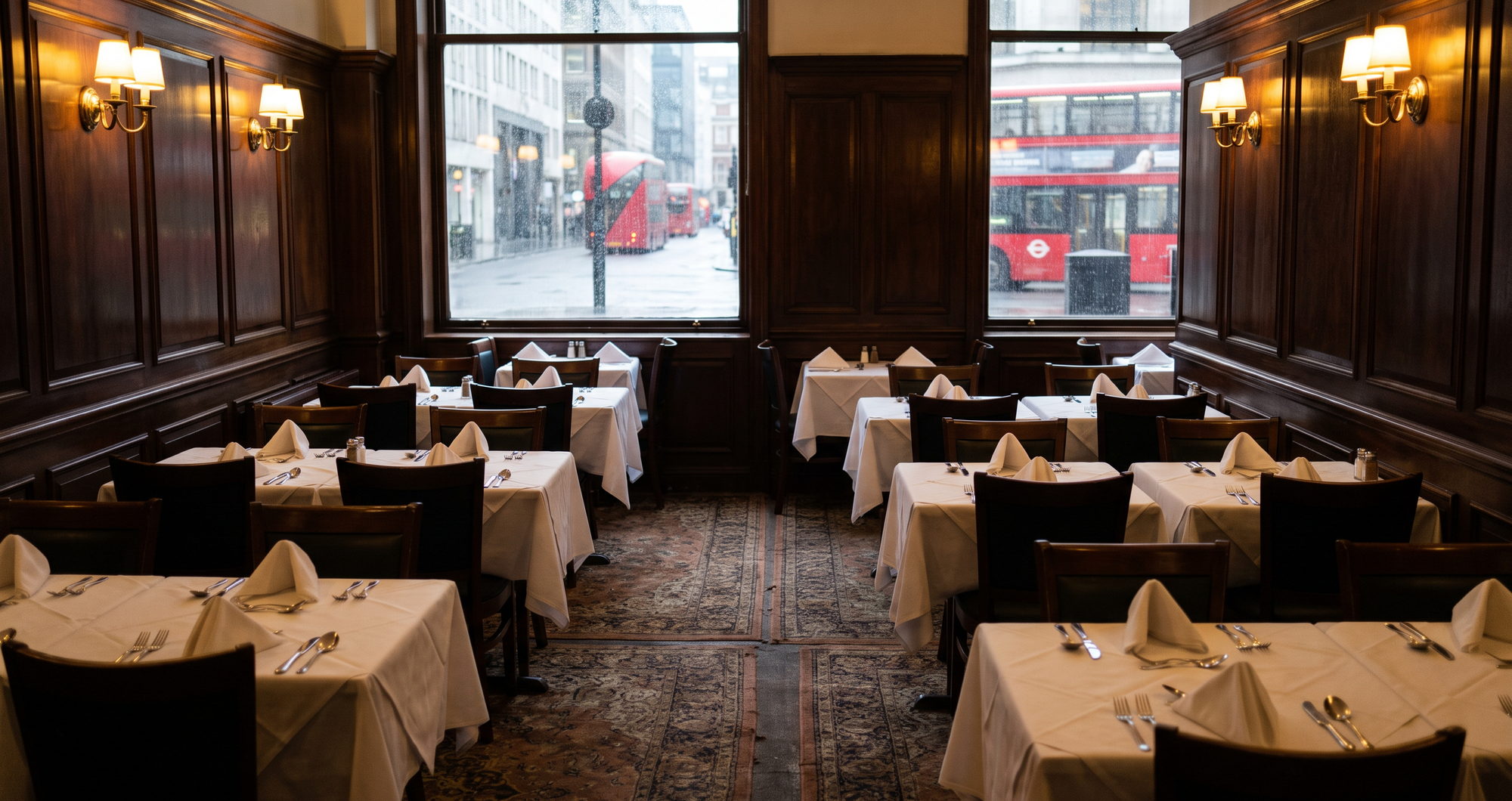
London’s diverse restaurant scene has been quick to respond to changing customer preferences. Many venues now offer flexible seating arrangements, group set menus and private dining rooms to accommodate larger bookings.
These options help restaurants manage service more efficiently while giving diners greater choice. Whether it’s a casual meal in a neighbourhood bistro or a celebration at a fine dining restaurant, businesses increasingly recognise that larger parties represent an important part of their customer base.
Flexible Working Has Changed Social Habits
Hybrid and remote working have altered when and how people meet. Rather than gathering only after office hours, many groups now arrange lunches, afternoon meetings or early evening meals that fit around more flexible schedules.
Employers are also using restaurant gatherings for team-building events, client meetings and staff celebrations. These occasions provide an opportunity to strengthen relationships in a more relaxed environment than a traditional workplace.
Sharing Menus Continue to Grow in Popularity
Many restaurants have introduced menus designed specifically for sharing. Platters, tapas, mezze and family-style dining encourage guests to sample a wider range of dishes while creating a more interactive experience.
Sharing food naturally encourages conversation and allows diners to enjoy a meal at a slower pace. For restaurants, it can also improve service by simplifying ordering for larger groups.
Celebrations Are Moving Into Restaurants
Consumers are increasingly choosing restaurants to mark personal milestones instead of hosting gatherings at home. Birthdays, graduations, engagements and retirement celebrations are often easier to organise in venues that can provide professional service, catering and suitable space.
For many hosts, this reduces the time and effort involved in planning while ensuring guests enjoy a comfortable experience.
Social Media Continues to Influence Dining Choices
Restaurants today compete on more than just their menus. Attractive interiors, well-presented dishes and memorable experiences often influence where people choose to book.
Groups frequently look for venues that offer a welcoming atmosphere alongside quality food, making the overall experience as important as the meal itself. Positive online reviews and recommendations also play an increasingly important role in deciding where to dine.
Catering for Different Dietary Needs
Modern dining groups often include people with different dietary preferences or requirements. Restaurants that offer vegetarian, vegan, gluten-free and allergy-aware options are better positioned to welcome larger parties without making anyone feel excluded.
This flexibility has become an important factor when choosing where to meet, particularly in a multicultural city such as London.
The Outlook for Social Dining
The growing popularity of group dining reflects wider changes in how people spend their leisure time. As consumers continue to value shared experiences, restaurants are likely to invest further in spaces and menus designed for larger gatherings.
For London’s hospitality sector, the trend presents an opportunity to create memorable dining experiences that bring people together. While technology continues to shape daily life, sharing a meal remains one of the simplest and most enjoyable ways to connect with others.