
When people plan new windows for an older home, they tend to picture the obvious things first: the colour, the glazing bars, the way the frames sit against the brickwork. The smaller details rarely come up at the quoting stage. Yet those details often decide whether a finished window looks right or slightly wrong, and ventilation is one of the easiest to overlook. Get it right and nobody notices, which is kind of the point. Get it wrong, and an otherwise stylish window can look out of place.
Why are smaller window details getting more attention
Homeowners are researching more, comparing more and asking sharper questions than they did a decade ago. Renovation programmes and a steady run of sympathetic restorations have trained people to notice the parts that once passed unremarked. A slim midrail, a properly shaped sash horn, an astragal bar that genuinely looks the part: these are what separate a convincing sash window from a weak imitation. Ventilation has now joined that list.
The challenge with visible ventilation
Modern homes need a reliable supply of fresh air. Trickle vents and other forms of background ventilation help moisture escape and keep rooms feeling fresher, particularly in well-sealed properties where the accidental draughts of old simply no longer exist. The trade-off is appearance. A vent set across the face of a sash adds a horizontal line the original joiner never intended. On a plain casement, it might pass unnoticed. On a sash window, where the eye follows clean vertical proportions, it can read as an afterthought.
What are concealed head vents?
A concealed head vent moves that detail out of view. Instead of sitting on the front face of the window, it is fitted at the head, the very top section of the frame. The idea is straightforward. A uPVC grille slides into a slim canopy and then clips into the outer frame so it finishes close to the edge. Air still flows through, but the working part is tucked into the top of the window rather than stamped across the middle of it. From the pavement as they’re passing by a house, most people wouldn’t pick it out at all.
Keeping sash windows looking clean and traditional
The appeal here is restraint. By keeping the vent at the head, the body of the sash stays uninterrupted, and the authentically styled elements that should hold the eye, like the proportions of the frame and heritage features, are left to do their job.
Why hidden vents suit older and character homes
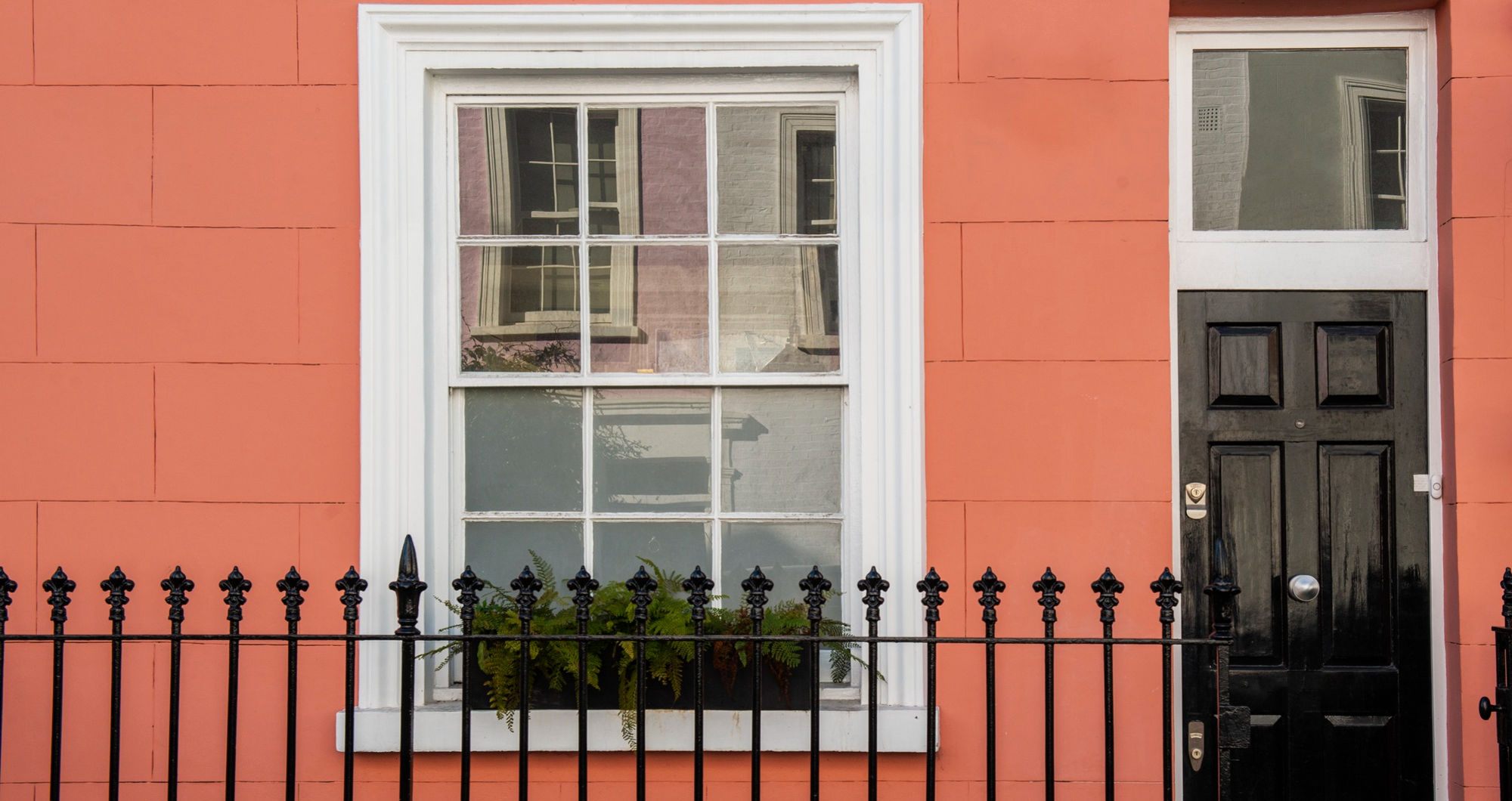
This matters most where the windows are part of the architecture rather than simple openings in a wall. Traditional townhouses, cottages and anything with heritage detailing depend on their windows looking authentic from the pavement. A window is something the household looks at every day, and a cleaner head detail keeps the outlook feeling calmer rather than cluttered. As homeowners pay closer attention to these finer points, sash windows with discreet ventilation are becoming a more appealing choice for properties where appearance, airflow and everyday comfort all carry weight.
Modern comfort without visual clutter
None of this asks the homeowner to give up performance. A well-made replacement sash can pair a traditional face with double glazing, low-maintenance uPVC frames that never need repainting, modern locking and security hardware, and tilt-in sashes that make cleaning the outside far less of a chore. Heritage-style hardware and traditional colours finish the look. The aim is a window that keeps consistent authentic styling but has all the benefits of modern performance and efficiency.
Choosing sash windows that suit the property
Manufacturers have picked up on the shift towards quieter detailing. Quickslide, one of the UK’s leading manufacturers of uPVC sliding sash windows bed in Yorkshire, now offers concealed head vents as part of its sash window range, alongside the slim sightlines and traditional features that period homes ask for.
It’s important to note that if a property sits in a conservation area, or is listed, replacement windows can be subject to local planning rules, and these vary from one area to the next. It is worth a quick conversation with the local authority early on. For everyone else, the lesson holds: the difference between a sash window that looks the part and one that does not often comes down to the details nobody thinks to ask about.
Feature Image by freepik