
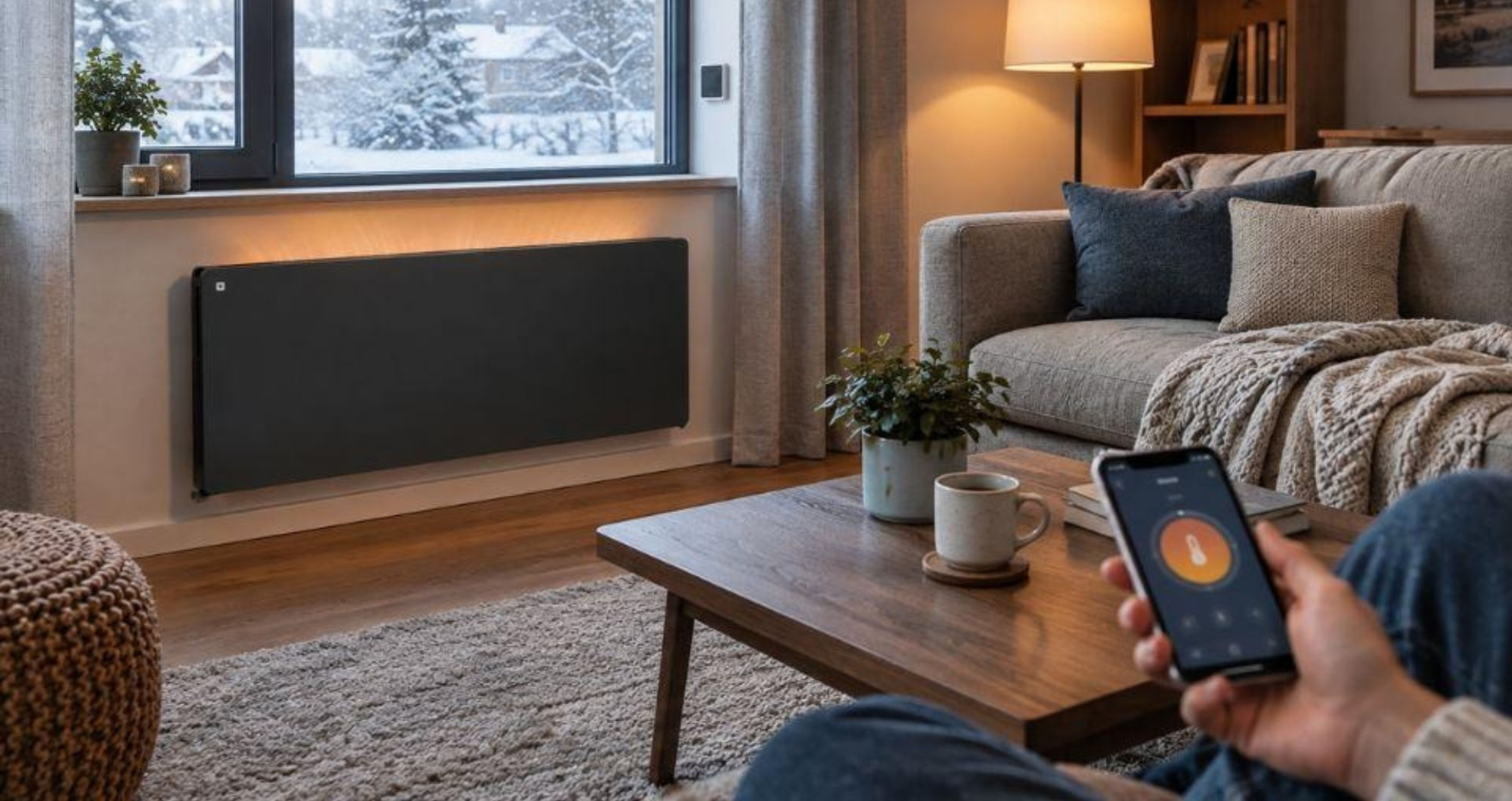

Turning the heating on should make a room warmer, but sometimes the temperature barely changes. If one room stays chilly while the heating is running, it does not necessarily mean the entire system has failed. The problem could be that heat is not reaching the room effectively, or that the room is losing heat faster than it can retain it.
For homeowners, the useful first step is to identify where the problem is occurring. A thermostat may be reading the wrong temperature, a radiator may not be distributing heat properly, or drafts and poor insulation may be allowing warmth to escape. Room layout and heating capacity can also make a difference. Before replacing equipment, check these seven common causes and look for clues that can help narrow down the problem.
1. Your Thermostat May Be Reading the Room Incorrectly
A thermostat controls heating based on the temperature it detects, so its location can affect how the system behaves. If it is close to a radiator, exposed to direct sunlight, positioned near a draft, or affected by another heat source, it may sense a temperature that does not represent the rest of the room.
This can create a frustrating situation where the thermostat reaches its target temperature and reduces or stops heating, while a colder part of the room still feels uncomfortable. The same issue can occur when the thermostat is located in a naturally warmer hallway or another room.
Start by checking the thermostat setting and considering its surroundings. It is also useful to compare the thermostat reading with the temperature you experience elsewhere in the room, rather than judging comfort from the display alone. A small difference can be noticeable in rooms with cold exterior surfaces or limited air movement. If only one room is consistently colder while the rest of the home feels comfortable, the thermostat’s location or reading may be worth investigating before assuming the heating system needs replacing.
2. The Radiator Isn’t Heating the Room Properly
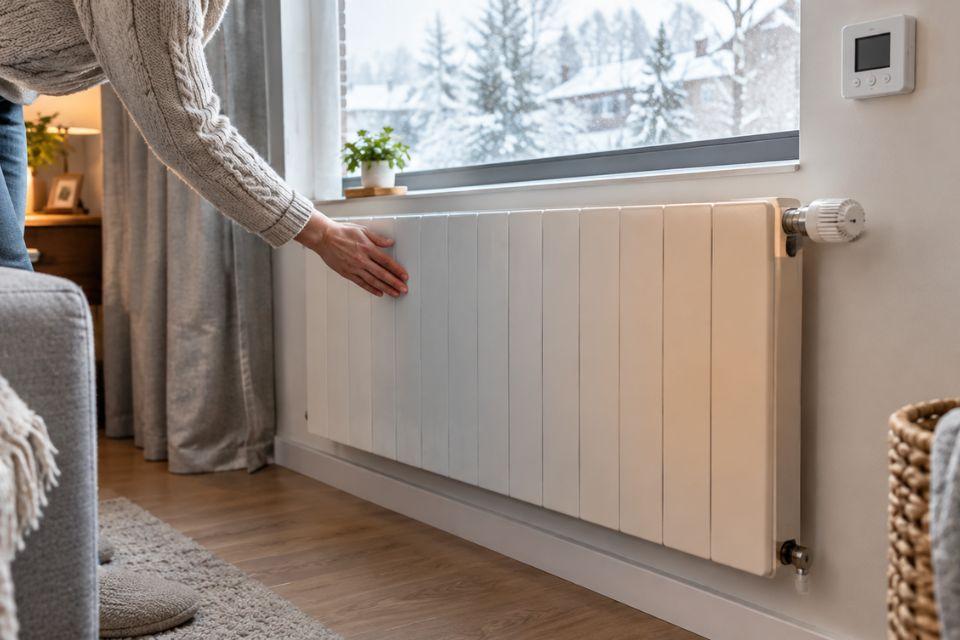
A radiator that is not transferring heat effectively can leave a room cold even when the heating system appears to be operating normally. Pay attention to what the radiator actually feels like rather than simply checking whether the heating is switched on.
A radiator that stays completely cold may point to a valve, control, or circulation issue. If it is warm in some areas but noticeably cooler in others, trapped air or another maintenance-related problem may be affecting heat distribution. On the other hand, a radiator that becomes consistently hot while the room remains cold suggests that the problem may lie elsewhere, such as drafts, insulation, room size, or airflow.
These differences are useful clues for homeowners. You do not necessarily need to start adjusting or dismantling components yourself. If the radiator behaves unusually or several radiators are affected, a qualified heating professional can determine whether the system is circulating heat properly. This is especially important when the same problem appears throughout the property rather than in just one room.
3. Drafts Are Allowing Heat to Escape
Sometimes the heating is doing its job, but the room is constantly losing the warmth it produces. Drafts around windows and doors are common sources of heat loss, particularly in older properties or rooms with poorly sealed frames. Small gaps can allow cold outside air to enter while warm air escapes.
Pay attention to areas where you can feel a noticeable temperature difference, especially around window edges, door frames, and other openings. A room may also feel colder near an exterior wall or floor-level gap because of cold air movement.
Reducing obvious drafts can help a room retain warmth for longer, but it is important to understand the bigger picture. Window coverings, door seals, and other basic improvements may help, but they should not be used to hide a larger insulation or building-envelope problem. If the room has significant heat loss, simply turning the heating up may provide only temporary comfort while increasing energy use. Identifying where warm air is escaping is often a better first step.
4. Poor Insulation Is Increasing Heat Loss
Insulation affects how well a home holds onto the heat produced by its heating system. If a room has poorly insulated walls, floors, ceilings, or roof areas, warmth can escape through the building envelope faster than expected. Large or older windows can contribute to the same problem.
One useful clue is what happens after the heating has been running for a while. If the radiator becomes hot but the room still struggles to reach a comfortable temperature, excessive heat loss may be part of the problem. Another clue is a room that warms up but becomes cold again relatively quickly after the heating switches off.
Insulation is therefore different from heating capacity. A more powerful heating source cannot always solve a room that loses heat rapidly. Looking at both heat generation and heat retention gives homeowners a clearer picture of why a particular room remains cold. This approach can also prevent unnecessary changes to heating equipment when the main issue is the building itself.
5. Furniture or Curtains May Be Blocking Warm Air
The position of furniture can affect how heat moves around a room. A large sofa, cabinet, shelving unit, or other object placed directly in front of a radiator can restrict the movement of warm air. Long curtains or radiator covers can have a similar effect by preventing heat from circulating freely into the room.
This is one of the easiest things to check because it does not require specialist equipment. Look at the space immediately around the radiator and consider whether objects are trapping the warm air in one area. Even when a radiator is operating normally, poor airflow can make the room feel less evenly heated.
Room layout matters more than many homeowners expect. Keeping the area around the radiator reasonably clear can encourage better air movement and make the room feel more evenly heated. Before assuming there is a serious fault, make sure the main heat source has enough open space around it to distribute warmth effectively.
6. Your Heating Source May Not Suit the Room
Heating performance depends on more than whether a unit is switched on. Room size, ceiling height, insulation, window area, external walls, heat loss, and the heating source’s capacity all influence how easily a space can reach and maintain a comfortable temperature.
A small, well-insulated room may need very different heating provision from a large room with several exterior walls and older windows. If the heating source is undersized for the room’s heat-loss characteristics, it may run for long periods without creating the level of comfort the homeowner expects.
For a room that consistently struggles to maintain a comfortable temperature, an Electric Radiator may be an option worth evaluating. However, the right choice still depends on room size, insulation, heat loss, controls, and the home’s overall heating needs.
The goal should not be to choose the most powerful option automatically. Oversizing or changing equipment without considering the room can be just as unhelpful as choosing a system with too little capacity. A suitable heating solution should match the room and work effectively with its insulation and controls. Understanding the room’s actual requirements can prevent an unnecessary replacement that fails to address the underlying cause.
7. There Could Be a Problem With the Wider Heating System
If several rooms are cold rather than just one, the issue may extend beyond the individual room. Uneven heating throughout the property, repeated performance problems, unusual noises, or radiators that behave inconsistently can all be reasons to investigate the wider system.
A persistent problem can involve circulation, controls, the heat source, or other components that are difficult to assess safely without the right knowledge. Homeowners should be particularly cautious when an issue involves gas appliances, electrical connections, boilers, or complex heating equipment.
Simple observations can help a professional understand what is happening, but repairs involving potentially hazardous components should be left to appropriately qualified people. If the same heating problem keeps returning after basic checks, getting the system inspected is generally more useful than repeatedly increasing the thermostat. This can also help identify a developing fault before it affects more rooms.
What Should You Check Before Replacing Anything?
Replacing a heating unit is not always the first or best solution. A quick diagnostic process can help you work out whether the problem is related to the heat source, heat distribution, or heat loss.
- Check the thermostat setting and location.
- See whether the radiator is actually becoming warm.
- Look for noticeable drafts around windows and doors.
- Check whether furniture or curtains are restricting airflow.
- Consider insulation and the condition of large windows.
- Compare the affected room with other rooms in the property.
- Seek professional advice if the issue persists or involves the wider system.
These checks do not require you to diagnose complex technical faults. Their purpose is to identify useful clues before spending money on equipment or repairs. If the radiator is hot but the room remains cold, focus more closely on heat loss and airflow. If the radiator itself is not heating properly, the heating system may deserve closer attention.
When Should You Consider Replacing Your Heating Equipment?
Sometimes replacement is reasonable, particularly when equipment is repeatedly unreliable, no longer provides enough heating capacity, requires frequent repairs, or does not suit the room’s current needs. Outdated controls can also make it harder to maintain consistent temperatures.
If you have already ruled out obvious drafts, airflow restrictions, and simple control issues, it may help to compare modern heating options with the room’s requirements. Products such as Ciarra One can be considered as part of that broader evaluation, rather than treated as an automatic solution to every cold-room problem.
The most sensible approach is to assess the room first. Consider its size, insulation, heat-loss characteristics, expected use, and existing heating setup. Replacement makes more sense when the equipment itself is genuinely unsuitable for the job it needs to perform. If the real problem is poor insulation or uncontrolled heat loss, replacing the heating source alone may not deliver the improvement you expect.
Final Takeaway
A room that stays cold while the heating is on does not automatically mean the heating system is broken. The problem can come from the thermostat, radiator performance, drafts, insulation, restricted airflow, unsuitable heating capacity, or a wider system issue.
Think about the problem in three stages: is enough heat being generated, is that heat reaching the room effectively, and is the room retaining it? Working through those questions can help you identify the likely cause before making an expensive change. If basic checks do not resolve the issue, especially when the wider heating system appears affected, professional assessment is the safer next step.
If you’re exploring practical heating and home-comfort options after identifying the cause of a cold room, Ciarra Appliances can be one source to consider alongside the wider factors discussed in this guide.
FAQs
1. Why is my room still cold when the heating is on?
A room can remain cold because the heating is not distributing enough warmth, the thermostat is reading the temperature incorrectly, or the room is losing heat through drafts, windows, walls, floors, or poor insulation. Furniture blocking a radiator and inadequate heating capacity can also contribute.
2. Why is my radiator hot but my room still cold?
If the radiator is hot but the room remains cold, the issue may be excessive heat loss, poor insulation, drafts, restricted airflow, or a heating source that is not suitable for the room. Check the area around the radiator and look for obvious sources of heat loss before assuming the radiator itself is faulty.
3. How can I make a cold room warmer without turning up the heating?
Start by checking for drafts around windows and doors, keeping furniture and curtains from blocking the radiator, and assessing whether the room has adequate insulation. Improving heat retention can sometimes make a bigger difference than simply increasing the thermostat setting.
4. Should I replace my radiator if one room stays cold?
Not necessarily. First determine whether the radiator is heating properly and whether the room is losing heat through drafts, windows, walls, or poor insulation. If the existing heating source is genuinely unsuitable for the room’s size and heat-loss characteristics, replacement may then be worth considering.
5. When should I call a professional about a cold room?
Professional help is appropriate when the problem affects several rooms, the heating system behaves unusually, the issue keeps returning, or there are concerns involving boilers, gas appliances, electrical components, or other complex equipment. Avoid attempting repairs involving potentially hazardous systems without the appropriate qualifications.







