
London has always moved quickly when it comes to beauty, wellness and aesthetic treatments. In recent years, however, the direction of travel has changed. Many clients are no longer looking for treatments that require days of recovery or dramatic changes overnight. They want skin treatments that fit around work, school runs, social plans and busy central London routines. That is one reason LED light therapy has moved from being a quiet add-on in dermatology and skin clinics to one of the most requested non-invasive treatments for skin health.
LED light therapy appeals because it sits in a practical middle ground. It is not a surgical treatment, it does not involve needles, and it does not resurface the skin in the way stronger peels or lasers can. Instead, it uses specific wavelengths of visible and near-infrared light to support the skin’s natural processes. For clients who want clearer, calmer or fresher-looking skin without downtime, that combination is attractive.
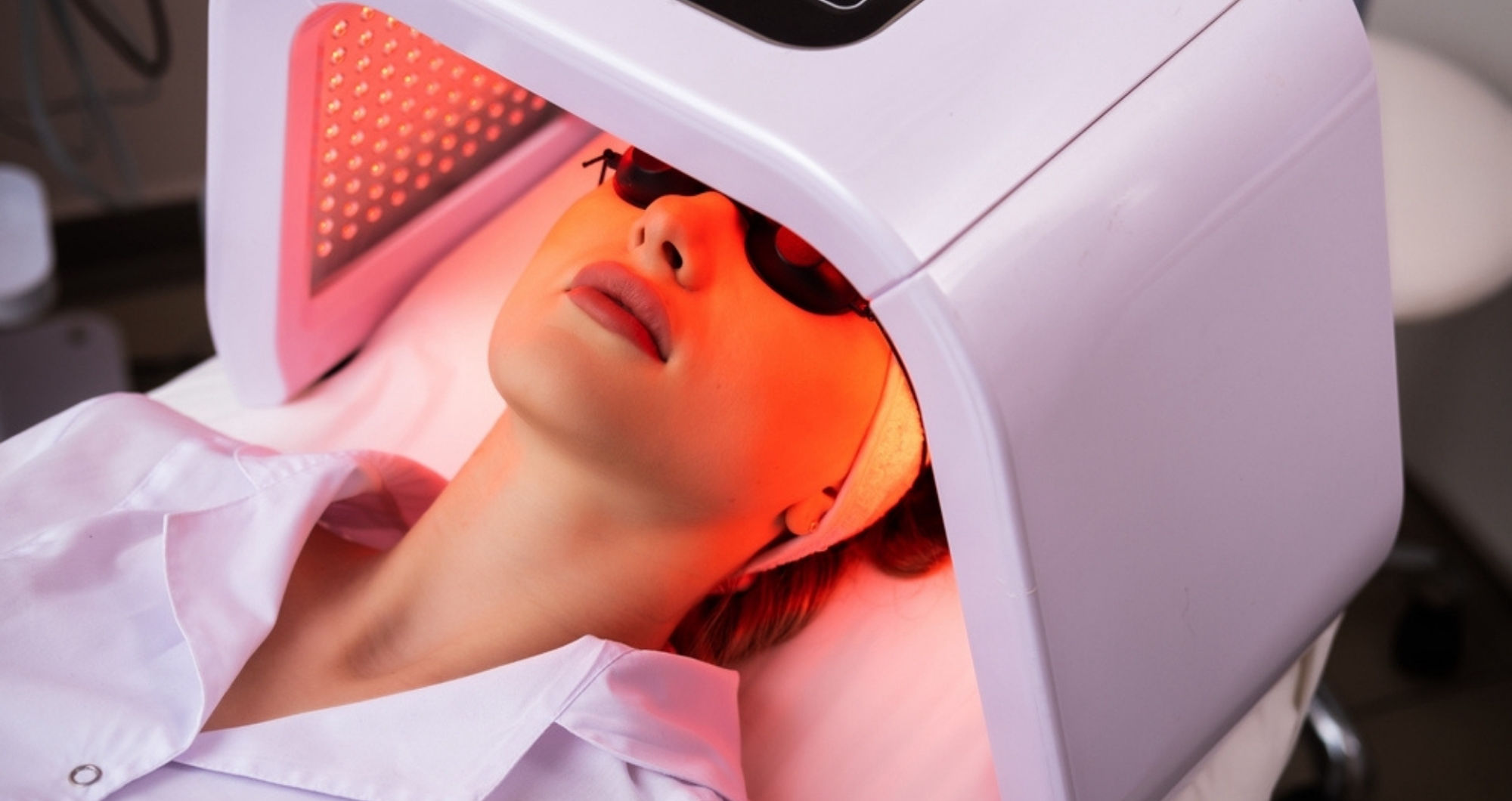
The treatment is also easier to understand than many aesthetic procedures. A typical session is short, comfortable and calm. The client lies beneath a professional LED device while selected wavelengths are delivered to the skin. There is no peeling period, no bruising, and usually no need to hide away afterwards. In a city where time is often the biggest luxury, that matters.
The London shift toward “no downtime” skin treatments
The demand for non-invasive treatments has been building for years, but the post-pandemic focus on skin health accelerated it. More people became aware of inflammation, barrier repair, acne flare-ups, stress-related breakouts and visible tiredness. At the same time, many became more cautious about aggressive treatments. The result is a stronger market for skin therapies that improve appearance while respecting the skin barrier.
LED light therapy fits that trend particularly well. It can be used as a standalone treatment or as part of a wider skin programme. It is often chosen by people who want support for breakouts, uneven tone, redness, dullness, fine lines or general skin recovery. It is also popular with people who do not want their face to look “treated”. The result is subtle and cumulative rather than artificial.
For London clients searching for a professional, clinic-based option, LED light therapy in London has become a practical alternative to harsher procedures because the treatment is quick, gentle and easy to schedule.
What LED light therapy actually does
LED stands for light emitting diode. In skin treatments, LED devices use selected wavelengths of light to interact with cells in the skin. Different colours or wavelengths have different effects because they penetrate the skin at different depths and are absorbed by different targets. The purpose is not to burn, cut or damage the skin. The aim is to encourage useful biological responses.
Red light is commonly associated with skin rejuvenation. It is used to support collagen and elastin activity, which are linked with firmness, texture and visible ageing. Blue light is commonly used in acne programmes because it targets acne-related bacteria at the surface of the skin. Near-infrared light penetrates more deeply and is often used to support repair, recovery and inflammation management.
Professional devices may use one wavelength at a time or combine selected wavelengths depending on the treatment goal. The value is in matching the wavelength and protocol to the concern. Acne-prone skin, ageing skin, sensitive skin and post-treatment recovery do not all need the same approach.
Why professional equipment matters
At-home LED masks have made the treatment more visible, but they have also created confusion. Consumer devices can be useful for maintenance when used consistently, but they are not the same as a professional clinic device. In a clinic setting, equipment is generally designed to deliver more consistent energy across the treatment area and to use clinically relevant wavelengths at a controlled output.
For example, Dermalux Tri-Wave MD is a professional LED phototherapy system using blue, red and near-infrared wavelengths. The official Dermalux device information lists 415nm, 633nm and 830nm wavelengths, which are commonly associated with acne support, skin rejuvenation and deeper recovery support. This is the kind of detail that matters when comparing a medical-grade clinic treatment with a low-output beauty gadget.
The machine does not make the result automatic. Assessment, protocol selection and consistency still matter. But professional-grade technology gives the treatment a stronger foundation, especially when the goal is visible improvement rather than a relaxing at-home ritual.
Why the treatment is popular in Marylebone, Baker Street and central London
Central London clients often want treatments that are discreet. Someone working near Baker Street or Marylebone may want to attend an appointment during the day and return to normal plans immediately. LED therapy fits that requirement. There is no obvious recovery stage, and the treatment is generally comfortable enough to be done between commitments.
The treatment also appeals to people who want a skin plan rather than a single dramatic procedure. A course of sessions can be built around acne management, dullness, pre-event skin preparation or anti-ageing maintenance. In this sense, LED therapy has become part of modern skin routine culture: consistent, supportive and low disruption.
What results can people expect?
LED therapy is not an instant transformation treatment. That is important for honest expectations. Some clients notice their skin looks calmer or fresher quite quickly, but more meaningful improvements usually build with a course. Early improvements may appear after several weeks, while collagen-related and acne-related changes often need consistent treatment over a longer period.
For acne, the goal is usually reduced inflammation, fewer active breakouts and faster recovery of existing blemishes. For ageing or dullness, the goal is improved texture, radiance and firmness over time. For sensitive or stressed skin, the focus may be calming redness and supporting repair.
The best results normally come from combining LED with sensible skincare, sun protection, healthy routines and a realistic plan. LED can support the skin, but it should not be positioned as a replacement for medical treatment where a skin condition needs diagnosis.
Where a subtle clinic mention fits naturally
For clinics, the best way to talk about LED therapy is not to over-sell it. A useful article should educate first. A subtle local mention works best when it supports the reader’s next step. For example, 3D Lipo London offers clinic-based LED light therapy in the Marylebone and Baker Street area, using professional equipment as part of a non-invasive skin treatment menu. That type of mention is natural because it gives local readers a practical route without turning the article into an advert.
How to choose a good LED clinic in London
A good LED clinic should do more than place a client under a lamp. The consultation should identify the main concern, check suitability and explain which wavelength is being used. The practitioner should be able to explain why blue, red or near-infrared light has been selected and how the treatment fits into the client’s wider skin routine.
Clients should also look for realistic advice. LED therapy can be highly useful, but it should not be sold as a cure for every skin condition. If the concern is severe acne, unexplained rashes, suspicious lesions or a medical skin condition, the clinic should recommend appropriate medical advice. This kind of honesty builds trust and protects the client.
Why editorial education helps clients make better decisions
One of the problems in the LED market is that many people only see short social media claims. They hear that red light builds collagen or blue light helps acne, but they do not understand treatment frequency, device strength or suitability. Longer educational content helps close that gap. It explains what LED can realistically do and what it cannot do.
For local businesses, this is also important from a search perspective. A clinic that explains LED light therapy clearly, answers common questions and links related guides together is more likely to be seen as a useful topical resource. That is why a strong LED service page should be supported by guides on acne, collagen, red light, blue light, treatment frequency and device comparison.
The role of Dermalux in premium positioning
Dermalux has become a recognisable name within professional LED phototherapy. For clients, the brand helps signal that the treatment is not simply a consumer mask placed in a clinic room. It is a professional system designed for treatment environments. Mentioning the machine should not dominate the article, but it can reassure readers who are comparing clinics and want to understand why one treatment may cost more than another.
The strongest positioning is not “LED is magic”. It is “professional LED, delivered consistently with the right wavelength selection, can support visible skin improvement over time.” That message is accurate, credible and more persuasive than exaggerated claims.
The importance of search intent
People searching for LED light therapy in London are not all at the same stage. Some want a quick explanation of what the treatment does. Some are comparing LED with red light therapy masks. Others are ready to book and want to know which clinic uses a professional device. A strong article should answer all of those intents without becoming cluttered.
That is why the best editorial content combines education with a clear local pathway. It should explain the treatment, describe who it may suit, discuss the difference between professional and home devices, and then guide local readers toward a reputable clinic if they want to explore it further.
Why LED therapy is likely to keep growing
The popularity of LED therapy is not just a trend driven by social media masks. The treatment answers a real need: people want skin improvement, but many do not want downtime, discomfort or an obviously altered look. LED therapy is gentle enough to become part of a routine and versatile enough to support several common concerns.
As more clients understand the difference between consumer devices and professional phototherapy systems, demand for clinic-based LED is likely to keep growing. For London, where convenience, appearance and time all matter, LED light therapy is well placed to remain one of the most popular non-invasive skin treatments.