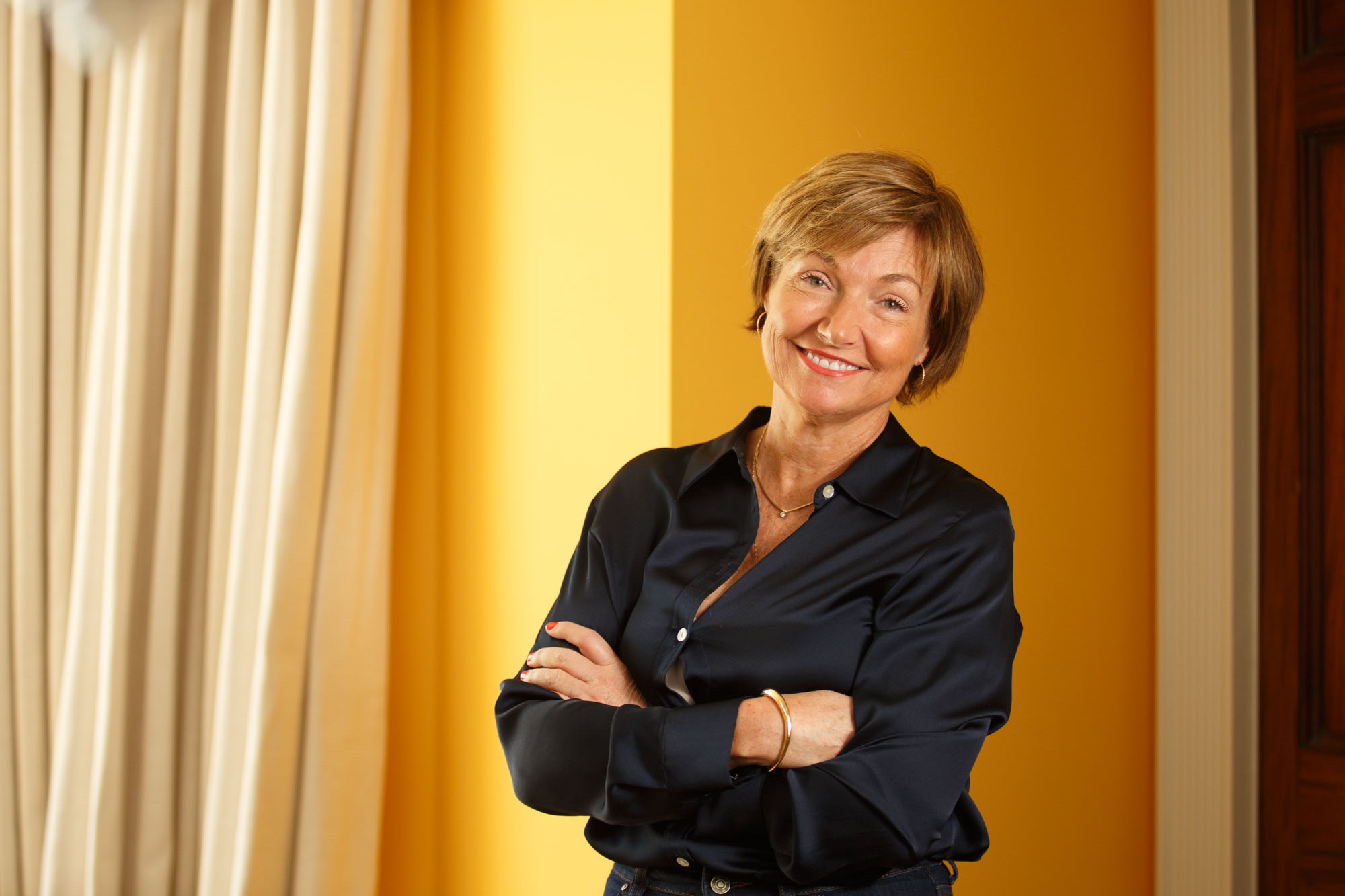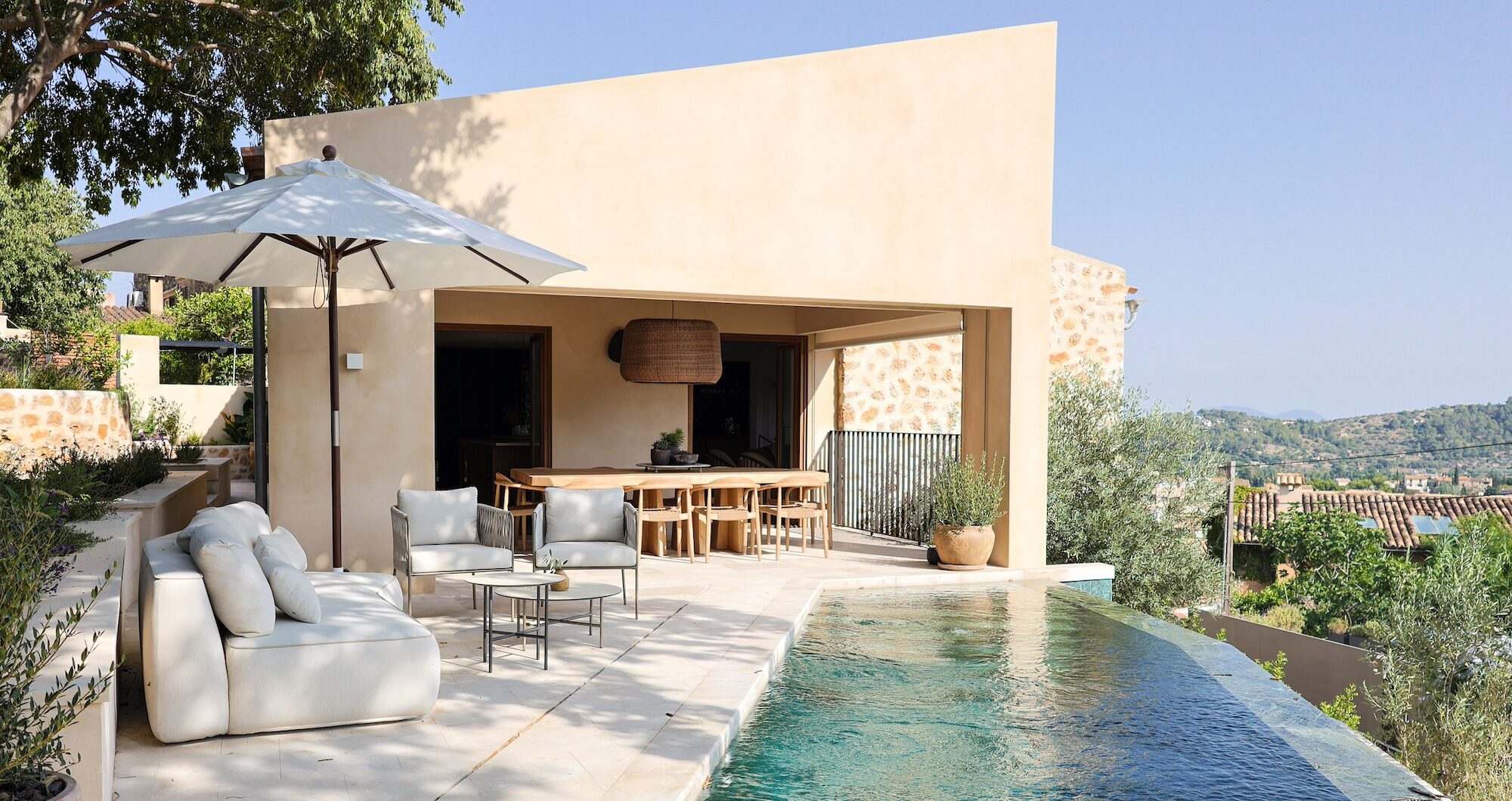

Rachel Clacher, co-founder of boutique luxury property developer Coertze & Clacher, explores how Mallorca has become the epicentre of Europe’s quiet luxury movement, and why today’s most desirable homes are defined by restraint, sustainability and a deep sense of place.
For decades, luxury property across Europe followed a familiar formula: bigger plots, bolder architecture, more spectacle. Homes were designed to impress at first glance and often photographed more than they were lived in. But quietly, and almost without announcement, that model is changing.
Nowhere is this shift more evident than in Mallorca, an island long associated with glamour, international buyers and architectural statement homes. What we’re seeing today is something altogether more restrained and far more interesting. Mallorca is emerging as the epicentre of quiet luxury: a movement defined not by excess, but by discretion, integrity and deep connection to place.
When you spend enough time on the island, you realise the most powerful homes are rarely the loudest ones.
From statement homes to considered living
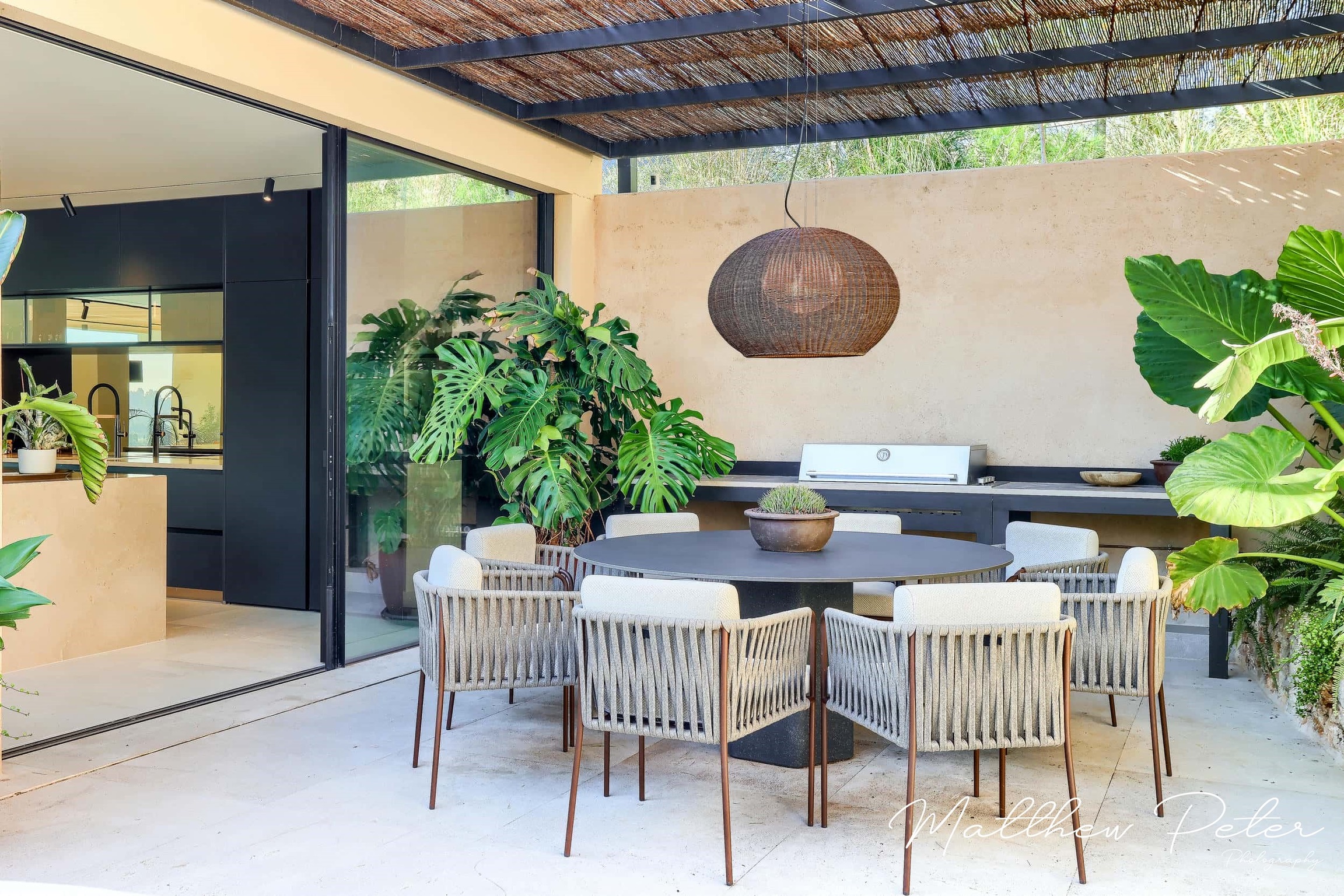
For years, Mallorca’s most eye-catching properties competed for attention; dramatic forms, imported materials, and designs that could have belonged almost anywhere. But the island’s most desirable homes today are doing the opposite. They are intentionally understated, shaped by their surroundings rather than imposed upon them.
We noticed this shift early on. When we first began building in Mallorca, it was clear that the homes people cherished most weren’t those making the grandest statements, but those that felt calm, intuitive and deeply liveable, places designed for everyday life, not just arrival moments.
This evolution reflects a broader cultural shift in mindset among affluent buyers, particularly those who know the island well. These are not first-time visitors seduced by views alone, but seasoned owners seeking homes that work beautifully year-round, places that offer calm, privacy and longevity rather than seasonal drama.
Why quiet luxury is taking hold
There are practical reasons behind this shift, but also emotional ones.
First, buyers today are more environmentally and socially conscious than ever before. Sustainability has moved from a “nice to have” to a fundamental expectation, not just in energy performance, but in how homes relate to their surroundings and communities.
Second, there’s a renewed appreciation for craftsmanship over scale. Local stone, lime renders, timber and traditional building techniques are being rediscovered, not out of nostalgia, but because they age better, perform better in Mediterranean climates, and feel intrinsically tied to the island.
And third, luxury itself is being redefined. True exclusivity now lies in what feels rare: silence, space, authenticity, and a sense of belonging. The most sought-after properties are those that blend into the landscape, offering privacy without isolation and beauty without bravado.
Building with the island, not against it
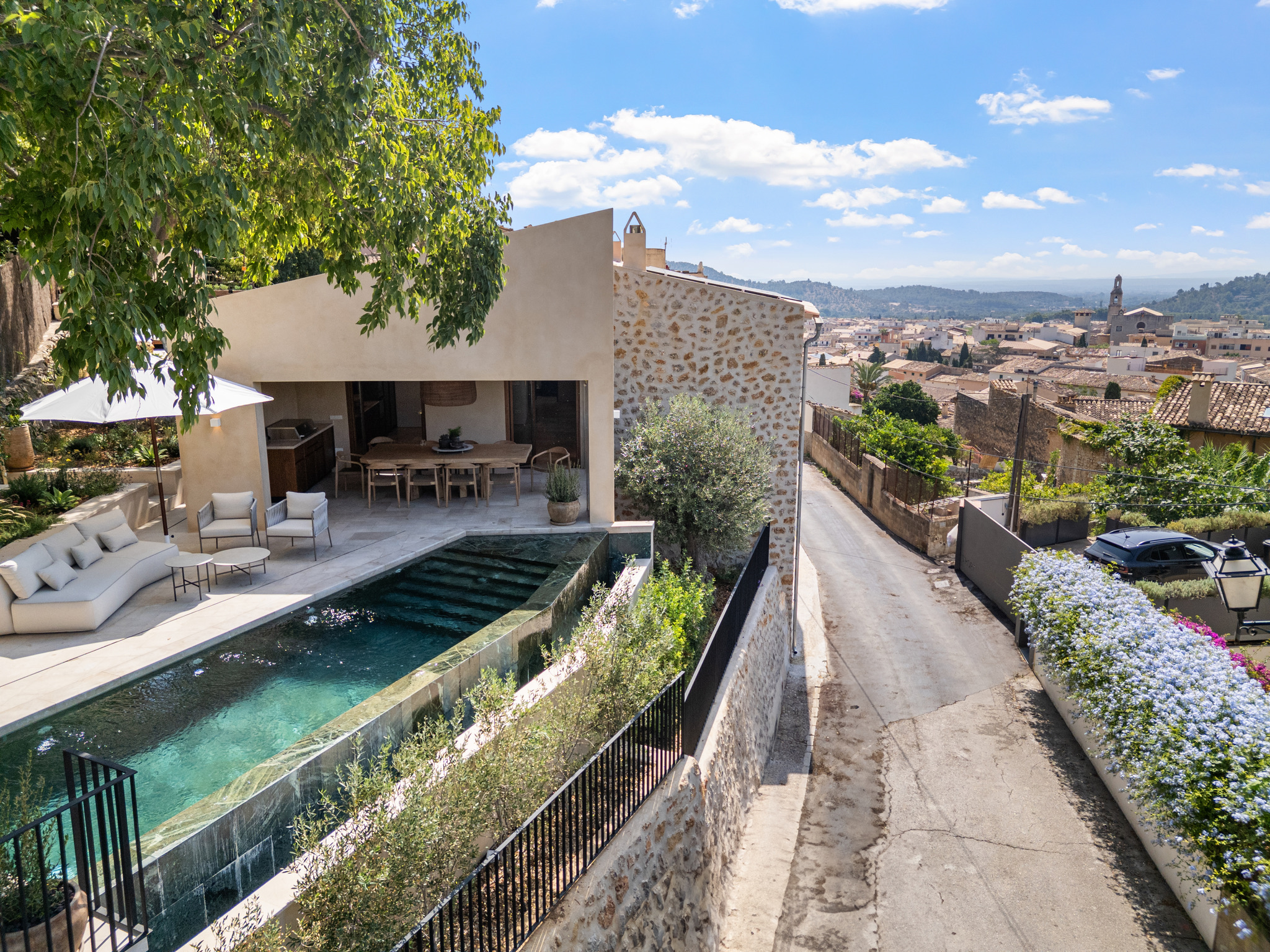
Quiet luxury demands a different approach to design and development. It begins with listening; to the land, the light, the wind, and the rhythms of daily life. Rather than forcing a preconceived architectural idea onto a site, the most successful homes allow the terrain to lead the design.
This philosophy extends to materials and construction. Homes that use local resources and collaborate with Mallorcan artisans don’t just reduce environmental impact; they preserve cultural knowledge and create spaces that feel grounded and authentic. Gardens planted with native species restore biodiversity and reduce water use. Renewable energy systems and smart technology are integrated discreetly, enhancing comfort without intruding on the aesthetic.
The result is homes that feel timeless rather than trendy, designed to evolve gracefully over decades, not just photograph well at completion.
Why responsibility becomes part of luxury
There’s another, often overlooked, aspect of quiet luxury: responsibility. Mallorca, like many desirable destinations, faces real pressure on housing affordability for local residents. As luxury property values rise, developers and buyers alike are increasingly aware of the social impact of their choices.
Some of the most forward-thinking projects on the island are now embedding community contribution into their business models, supporting affordable housing initiatives and local infrastructure as part of their success. And that’s why every Coertze & Clacher project contributes a portion of its profits to affordable housing initiatives across Mallorca. This model allows us, and our clients, to participate in a cycle of positive impact. A villa sale doesn’t just symbolise exclusivity; it helps fund a home for someone who might otherwise be priced out of the island they love.
It’s a small but meaningful way to bridge the gap between privilege and purpose. As Rachel often says,
“Luxury with purpose is not an add-on. It’s at the heart of everything we do.”
For many buyers, this matters. Knowing that a home gives something back creates a different kind of pride, one rooted in something that can actively strengthen the places that make it possible.
What this means for buyers and for Europe
Mallorca’s shift matters because it’s indicative of a wider European trend. Similar movements are emerging in parts of Italy, Portugal and the south of France, where buyers are turning away from conspicuous consumption in favour of homes that feel deeply personal, sustainable and rooted in place. For London-based buyers considering property abroad, the lesson is clear: the most valuable homes of the future will not be the loudest. They will be the ones that respect their environment, contribute positively to their community, and offer a sense of belonging.
Quiet luxury is not about doing less. It’s about doing things properly. And in Mallorca, that philosophy is no longer niche. It’s becoming the new benchmark for what luxury living truly means.