
Training on soft skills is important, as communication, understanding, and collaboration skills impact performance. Learners may have difficulty developing these skills without engaging and immersive environments.
When it comes to being as realistic as possible, VR technology allows the practice of behavioural skills in safe, controlled, and practical environments. This article will discuss why VR technology is changing soft skills training programmes for the better.
Immersive Learning Improves Engagement
Training methods from the past, like talks and panel discussions, only give information, and it’s very easy for you to tune out and stop paying attention.
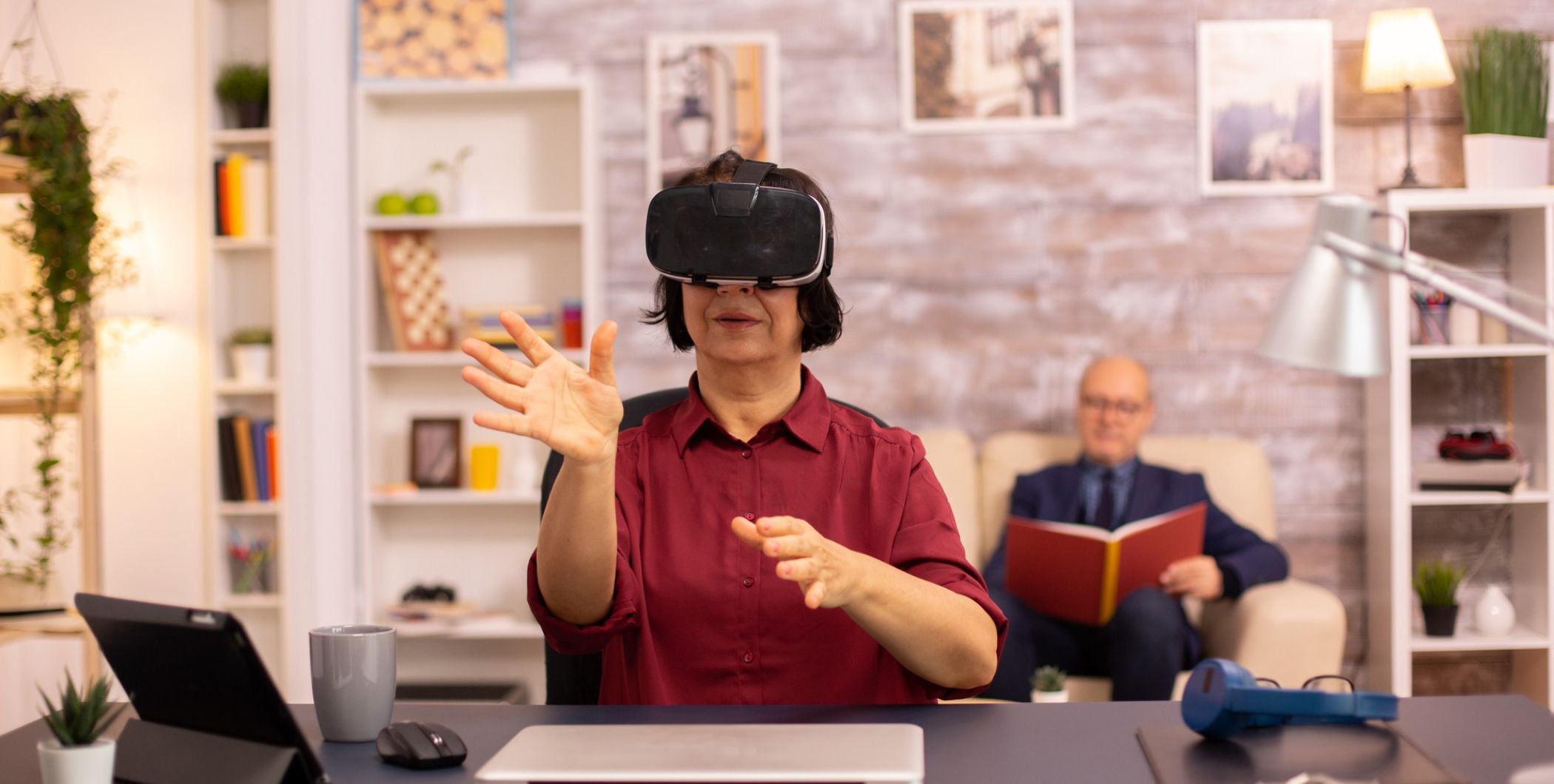
By using vr soft skills training, you can enter different simulated environments and engage with and respond to situational challenges.
Not being merely spectators but actively participating raises the level of engagement they experience. In most cases, you are able to remember information better when you are required to actively participate in the process.
Safe Practice for Challenging Situations
Soft skills like conflict resolution, having hard conversations, or making decisions as a leader are often needed for hard and complicated interactions. It may be unsettling or unrealistic to put these interactions into practice.
Through virtual reality (VR) training, you are able to participate in these experiences in a virtual world rather than in the real world. As a result, you realise that there is no possibility for unfavourable outcomes in the real world. Learners with experience are able to experiment with a variety of responses to a wide range of outcomes.
Realistic Scenario-Based Learning
The capability to simulate real-life scenarios is one example of what traditional training systems do not have. Role-playing is one way to show what could happen in real life, but it doesn’t work as well because the situations don’t feel real.
Now that virtual reality is available, it is possible to simulate situations that occur in the workplace. Learners are able to practice real-life communication and decision-making experiences through the use of scenarios.
Immediate Feedback and Skill Development
Traditional classroom training offers very little in the way of feedback and exercises, which is necessary for the development of soft skills.
VR provides feedback in real time that is active and situational. You are in a game environment where you can see how your choices affected the game you made. As a direct result of this feedback, you will figure out what aspects of your performance require improvement.
Scalable Training Across Organisations
Large corporations typically have to train a large number of employees in a variety of locations. It can be a logistical nightmare to send instructors to different locations in order to train employees in those locations.
With virtual reality (VR) training, businesses are able to provide their employees with the same learning experience regardless of where they are located. Wrapping all learning experiences in a VR training programme means all staff receive training of the same value.
Measurable Training Results
It can be challenging to figure out how well training that focuses on soft skills, like communication, is working. Training programmes that use VR (virtual reality) can be used to measure how well soft skills like communication are getting better.
Performance metrics such as decisions made, reaction time, and scenario results can be used to measure improvements. These things can make a difference in how companies evaluate training and how they set up training.
A New Era for Experiential Learning
As companies keep trying out new, cutting-edge ways to learn, VR training is becoming an important part of developing the modern workforce. Virtual reality is changing how soft skill training is done by giving people more engaging experiences that they can track and measure.