
A long weekend in the countryside does not have to be limited to the Home Counties. Trains from King’s Cross and Euston can carry Londoners into Yorkshire, Cumbria and Northumberland within a few hours, opening access to longer walks and landscapes rarely found close to the capital.
The north of England changes considerably from one region to the next. Limestone valleys give way to open moorland, glacial lakes and stretches of coast backed by dunes and castles. Some areas work well without a car, while others require a local bus, taxi or short drive after the main train journey.
The five destinations below make a convincing case for travelling farther. Each has enough walking, scenery and places to explore for a two- or three-night break without trying to cover an entire national park in one weekend.
Walking to the Triple-Tiered Aysgarth Falls in the Yorkshire Dales
At Aysgarth, the River Ure descends across three broad limestone shelves separated by bands of softer shale. The Upper, Middle and Lower Falls each have a different character, and their force changes considerably after heavy rain. Freeholders’ Wood extends the visit beyond the waterfall viewpoints, with paths following the wooded gorge beside the River Ure.
The National Park Visitor Centre provides the clearest starting point. A surfaced path runs through Freeholders’ Wood towards views of the Middle Falls, while around 70 steps descend to the Lower Falls. The Upper Falls lie closer to Aysgarth Bridge in the opposite direction. Visitors wanting a longer walk can follow the circular route towards Bolton Castle across Wensleydale.
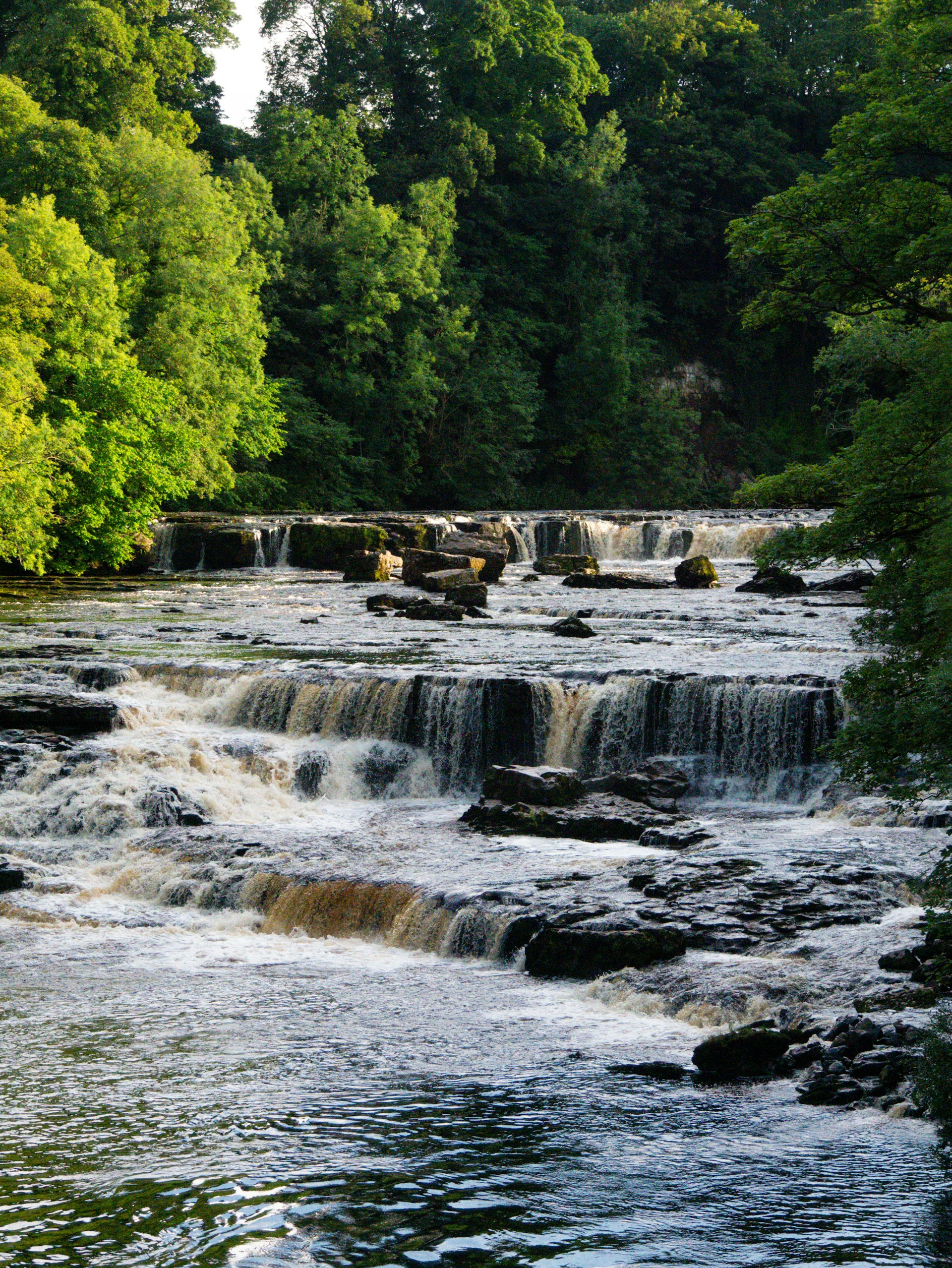
Image by Nathan Langer on Pexels
Spending a few days in the area can be useful for Londoners eyeing Aysgarth lodges for sale, allowing them to explore the local walking routes and assess how easily they could travel around Wensleydale without a car. Direct trains run from London King’s Cross to Northallerton, but the final journey requires a bus, taxi or car. Two nights leave enough time for the falls, Bolton Castle and the nearby villages of Askrigg and Bainbridge without feeling rushed.
Crossing the Tidal Causeway to Holy Island in Northumberland
The approach to Lindisfarne is part of the experience. The causeway crosses open sand and tidal flats before reaching an island of low dunes, rocky shoreline and wide views across the Northumberland coast. Near the village, the ruins of Lindisfarne Priory recall the island’s early Christian history, while Lindisfarne Castle rises from a volcanic outcrop above the harbour.
Walking towards the castle leads past upturned fishing boats repurposed as sheds, old lime kilns and a walled garden designed by Gertrude Jekyll. Longer routes continue around the quieter northern side of the island, where beaches, dunes and mudflats attract wading birds and seals may be visible offshore. Remaining after day visitors have left reveals a noticeably calmer side of Lindisfarne.
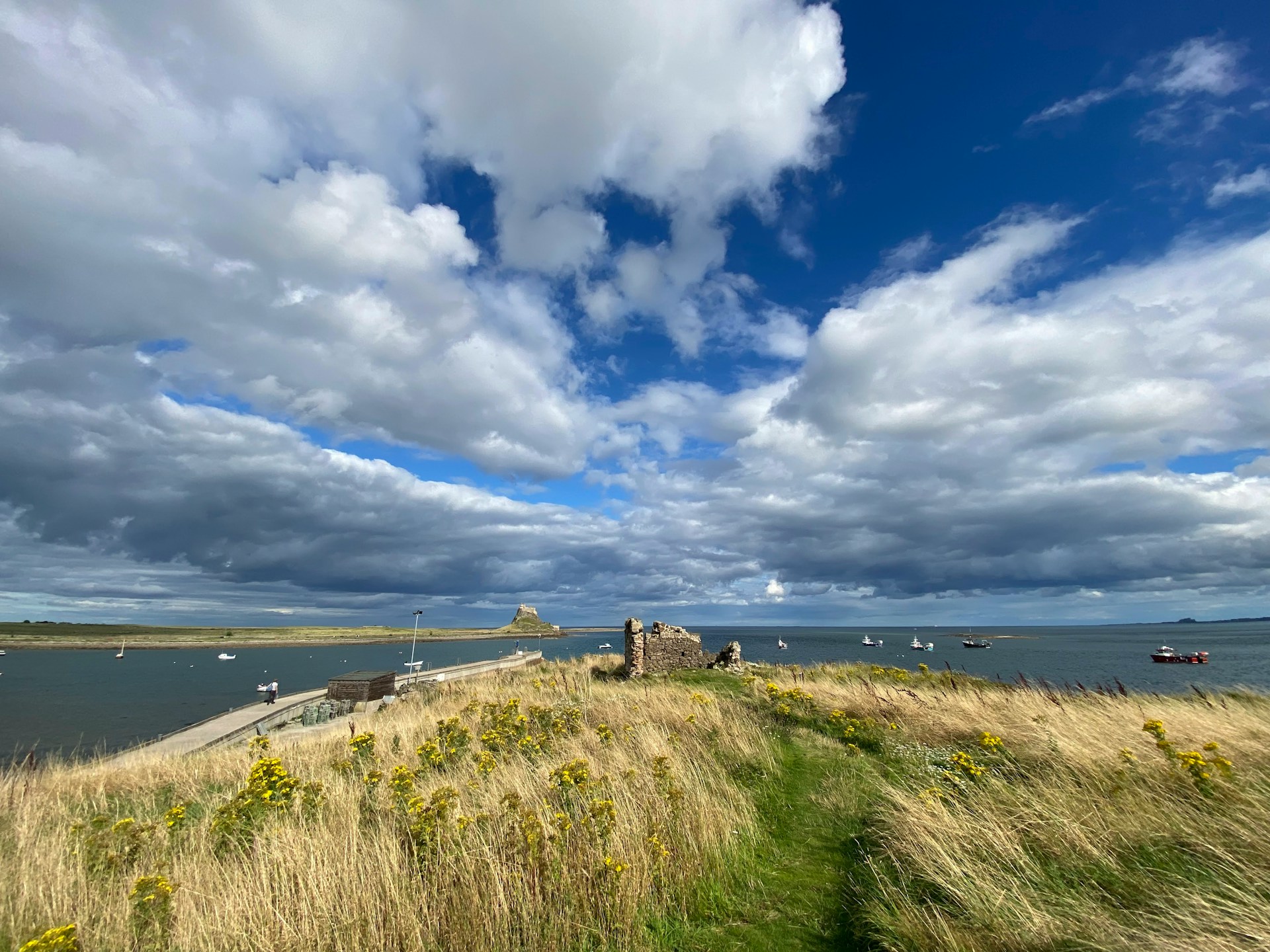
Image by John-Mark Strange on Pexels
The causeway is submerged at high tide, so visitors must use the official safe-crossing timetable issued by Northumberland County Council. Trains from London King’s Cross reach Berwick-upon-Tweed, followed by a bus, taxi or drive to the island. Bus times vary with the tides, making an overnight stay easier than trying to fit Lindisfarne into a tightly timed day trip.
Climbing Gritstone Edges Above the Hope Valley in the Peak District
The Great Ridge rises between the Hope and Edale valleys, linking Lose Hill, Back Tor, Hollins Cross and Mam Tor. Walking its crest brings long views towards Kinder Scout, the Derwent Moors and the villages below. The route repeatedly climbs and dips, moving from grassy slopes onto rocky sections where the exposed position becomes clear as soon as the wind picks up.
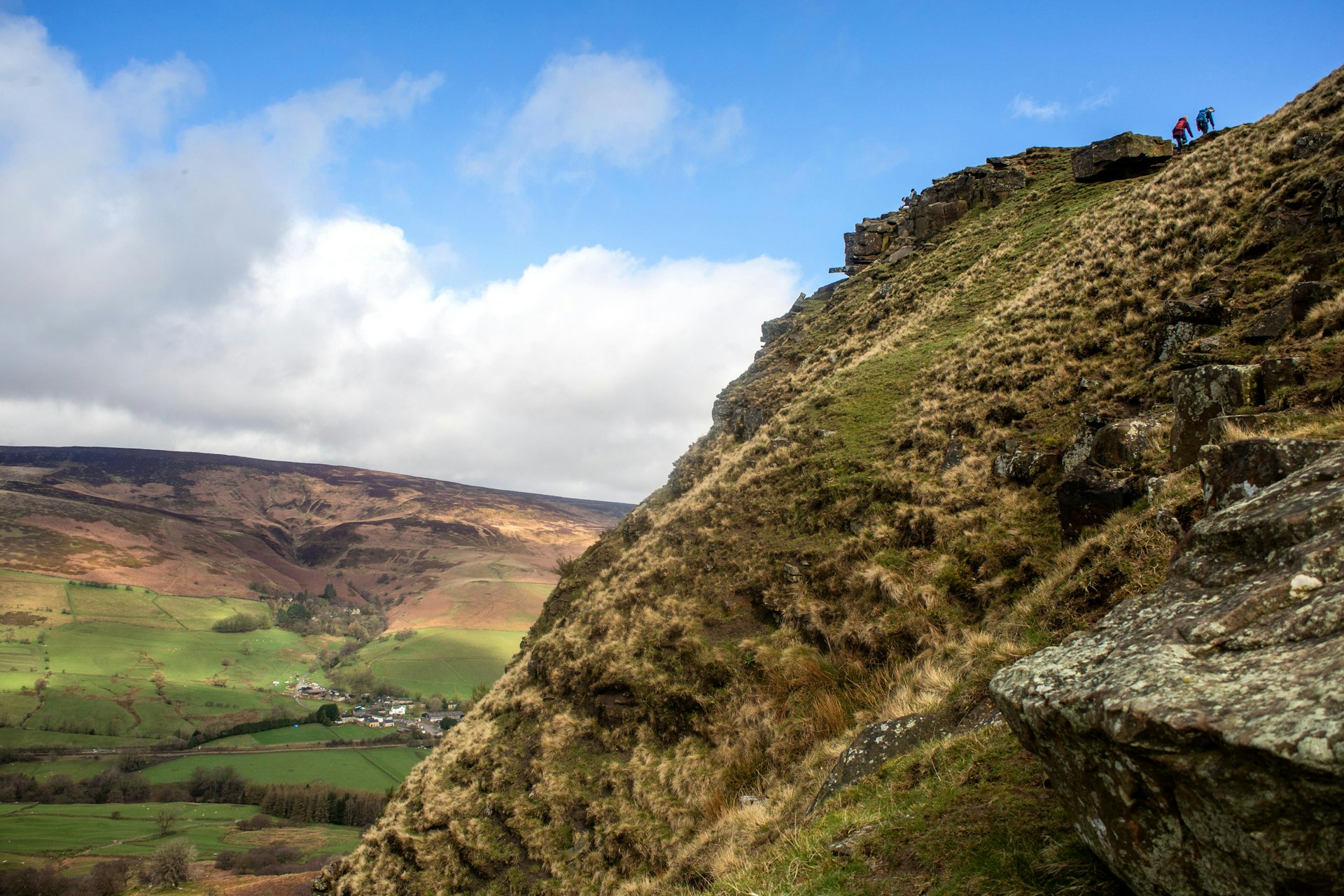
Image by Daniel Sturley on Pexels
A linear walk can begin near Hope station, climb Lose Hill and follow the ridge west towards Mam Tor before descending into Edale. Shorter circular routes approach Mam Tor from Mam Nick or Castleton, making the area suitable for different levels of fitness. The summit itself is reached by a paved path, but continuing along the ridge turns the visit into a more demanding day out.
Direct trains run from London St Pancras to Sheffield, where travellers can change for the Hope Valley line. Hope and Edale stations both provide access to established walking routes, making this one of the easier northern escapes to explore without a car. Staying overnight allows time for the Great Ridge one day and a walk towards Kinder Scout or Castleton the next.
Rowing Out to the Islands of Derwentwater in the Lake District
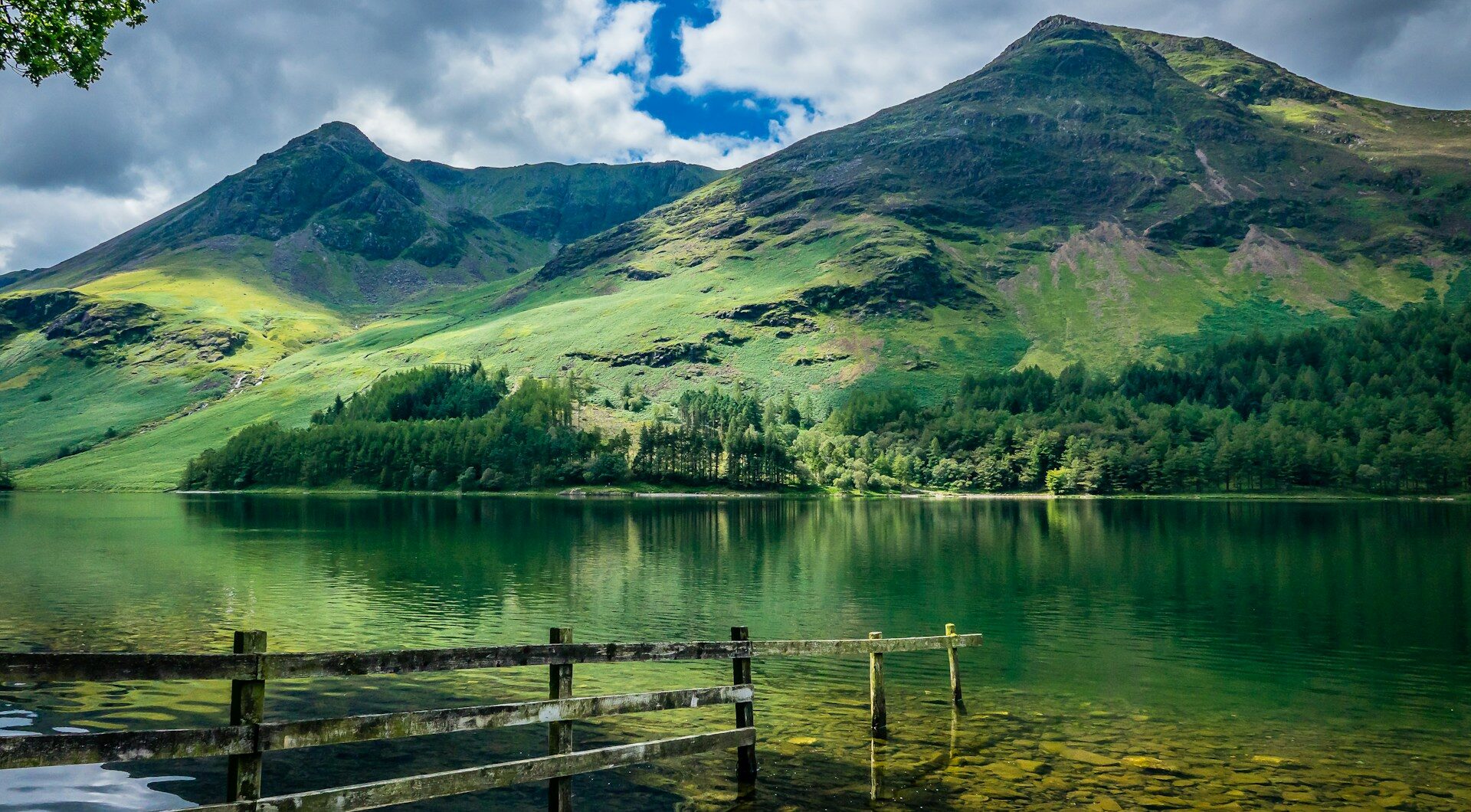
Derwentwater opens directly below Keswick, with Catbells rising on the western shore and the higher fells closing in around Borrowdale to the south. Rowing boats can be hired from the Keswick landings. Once away from the busy waterfront, visitors can admire the surrounding mountains reflected across the lake. The wooded islands break up the open water, while Catbells and the Borrowdale fells appear increasingly imposing from the middle of the lake.
Wind can alter conditions quickly, so staff may restrict boat hire when the lake becomes unsettled. Those who prefer to remain on shore can follow part of the waymarked Derwentwater Walk through woodland, bays and stretches of open lakeside. The complete circuit covers around 10 miles, but Keswick Launch services allow walkers to join or leave the route at several jetties.
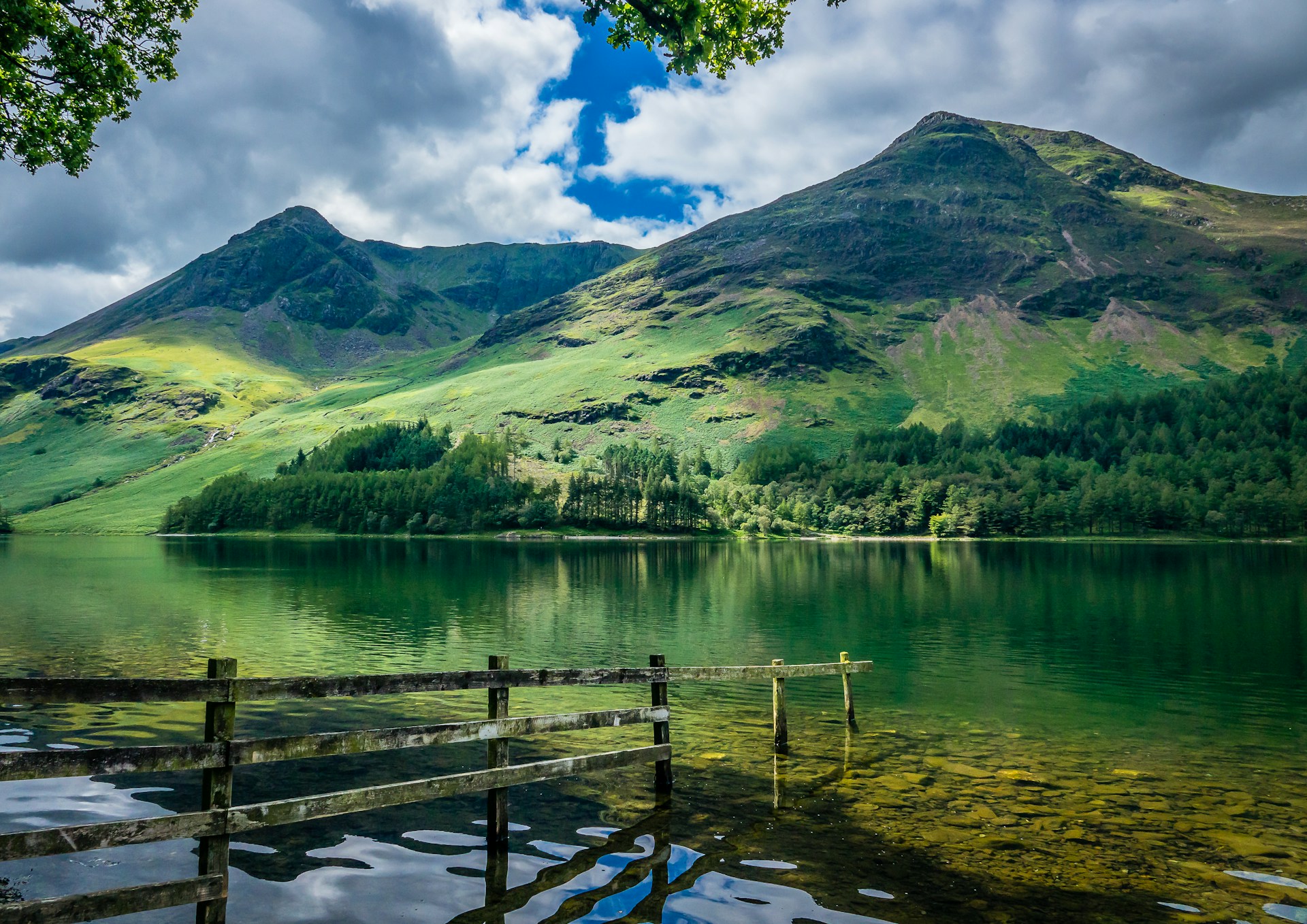
Image by James Armes on Pexels
Trains from London Euston reach Penrith, followed by a bus journey to Keswick. Once there, the boat landings and lakeshore are within walking distance of the town centre. A weekend in Keswick leaves time for rowing or a lake cruise, a section of the shore path and a higher walk towards Catbells or Walla Crag.
Riding a Steam Train Across Heather Moorland in the North York Moors
The North Yorkshire Moors Railway runs from Pickering through Newtondale to Goathland and Grosmont, with selected services continuing to Whitby. From the carriage, wooded valleys open into stretches of moorland, where heather turns the hills purple in late summer. The journey changes again near the coast as the railway descends towards the Esk Valley.
Goathland station is known for its period buildings and appearance as Hogsmeade in the first Harry Potter film. From here, passengers can follow the 3.5-mile Rail Trail along the course of George Stephenson’s original railway to Grosmont, then return by train. Travelling onwards to Whitby brings the journey to the harbour below the abbey ruins, with the town’s steep lanes and sea views adding a different landscape to the day.
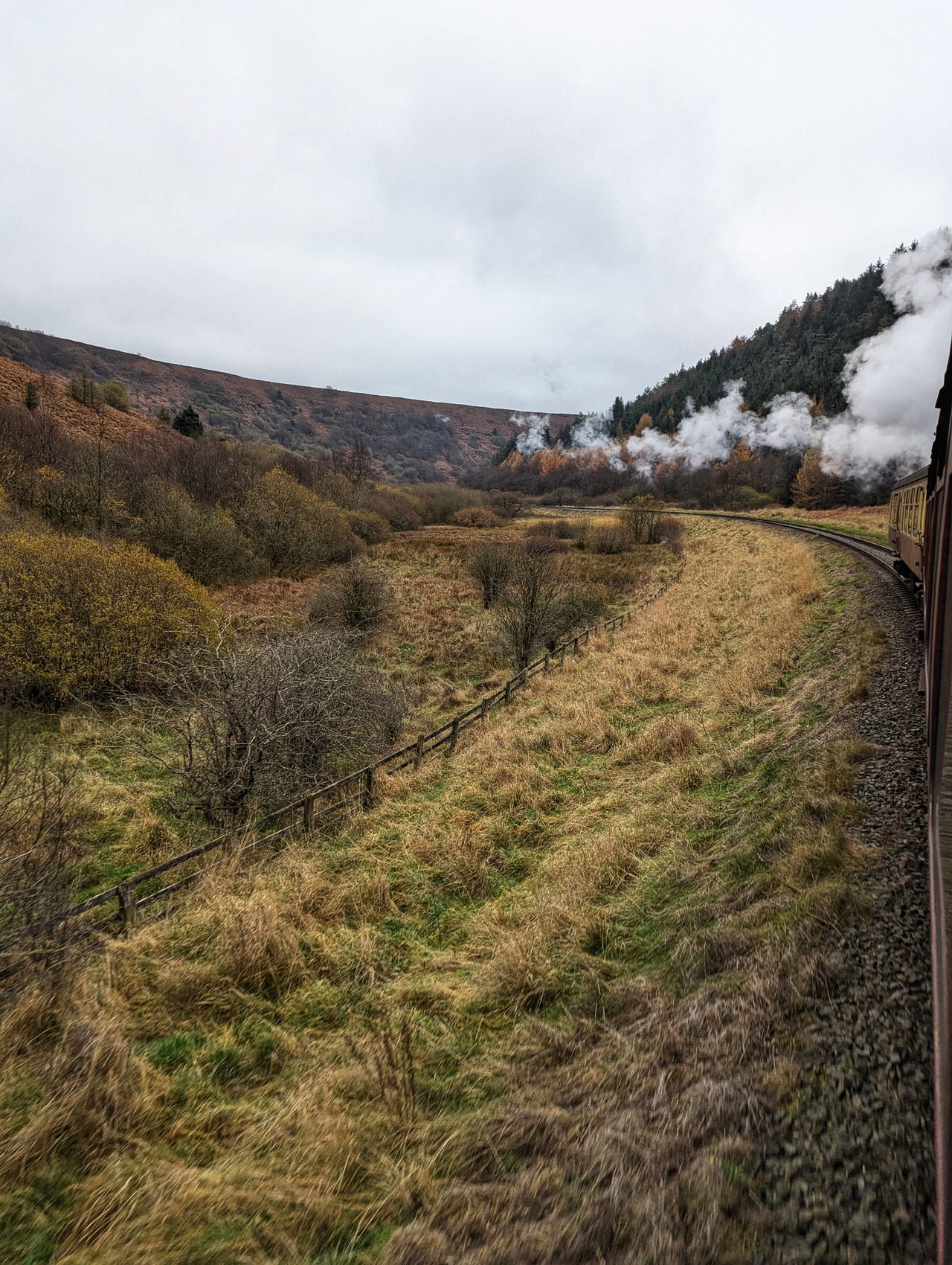
Image by Dave Sanderson on Pexels
Direct trains run from London King’s Cross to York, followed by onward travel to Pickering by bus or car. Heritage services vary by date, so confirm whether your chosen train is steam-hauled and continues beyond Grosmont to Whitby. Staying in Pickering or Whitby leaves time for the railway, a moorland walk and an evening in town.
Which northern landscape is calling you?
Start with how you want to spend your time outdoors. Aysgarth centres on waterfall and valley walks, while Holy Island brings tidal landscapes and centuries of religious history. The Hope Valley has more demanding ridge routes, Derwentwater can be explored from the shore or by boat, and the North York Moors Railway carries visitors through moorland to the coast.
The journey from London requires more time than a break in the Home Counties, but two or three nights make the distance manageable. Choose a base with access to the walk, railway or stretch of coast that interests you most, then avoid trying to cover the whole region in one visit. Leave enough room in the itinerary to follow a ridge beyond its first summit, walk farther along the lakeshore or experience Holy Island once the returning tide has cut it off from the mainland.
Feature image by James Armes from Unsplash