
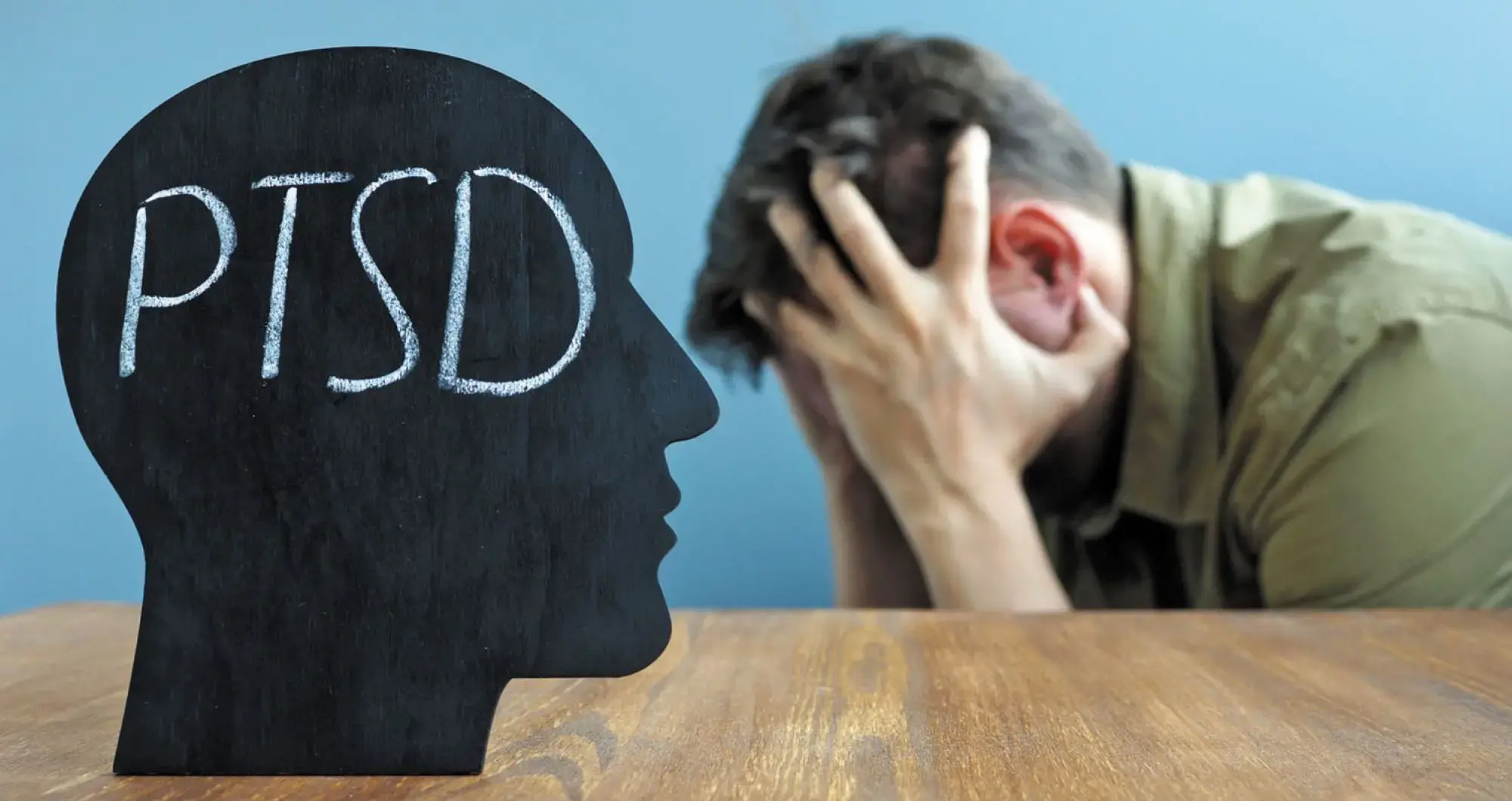

One of the most prevalent types of anxiety and mental health illnesses is post-traumatic stress disorder (PTSD). PTSD occurs when your mind is unable to digest or move on from a traumatic event.
According to the World Health Organization, about 3.9% of the world’s population has experienced PTSD at some point in their lives.
While most people associate PTSD with war-torn soldiers, it can manifest in many other cases, such as survivors of car accidents, assaults, or even close family members or people who have experienced PTSD.
If you’re also suffering from this terrible disorder, here are some effective ways to overcome it!
1. Diagnose yourself
One effective way to overcome PTSD is first to understand whether you have it or not. If you do, then you must identify the reason behind it.
Perform a physical examination of your body to understand the physical symptoms that get triggered. You should also do a psychological exam by talking to someone about the feelings and emotions you go through when you’re reminded of the traumatic event.
You may have PTSD if the physiological and mental triggers continue for more than a month, significantly impacting your daily lifestyle and upsetting your schedule.
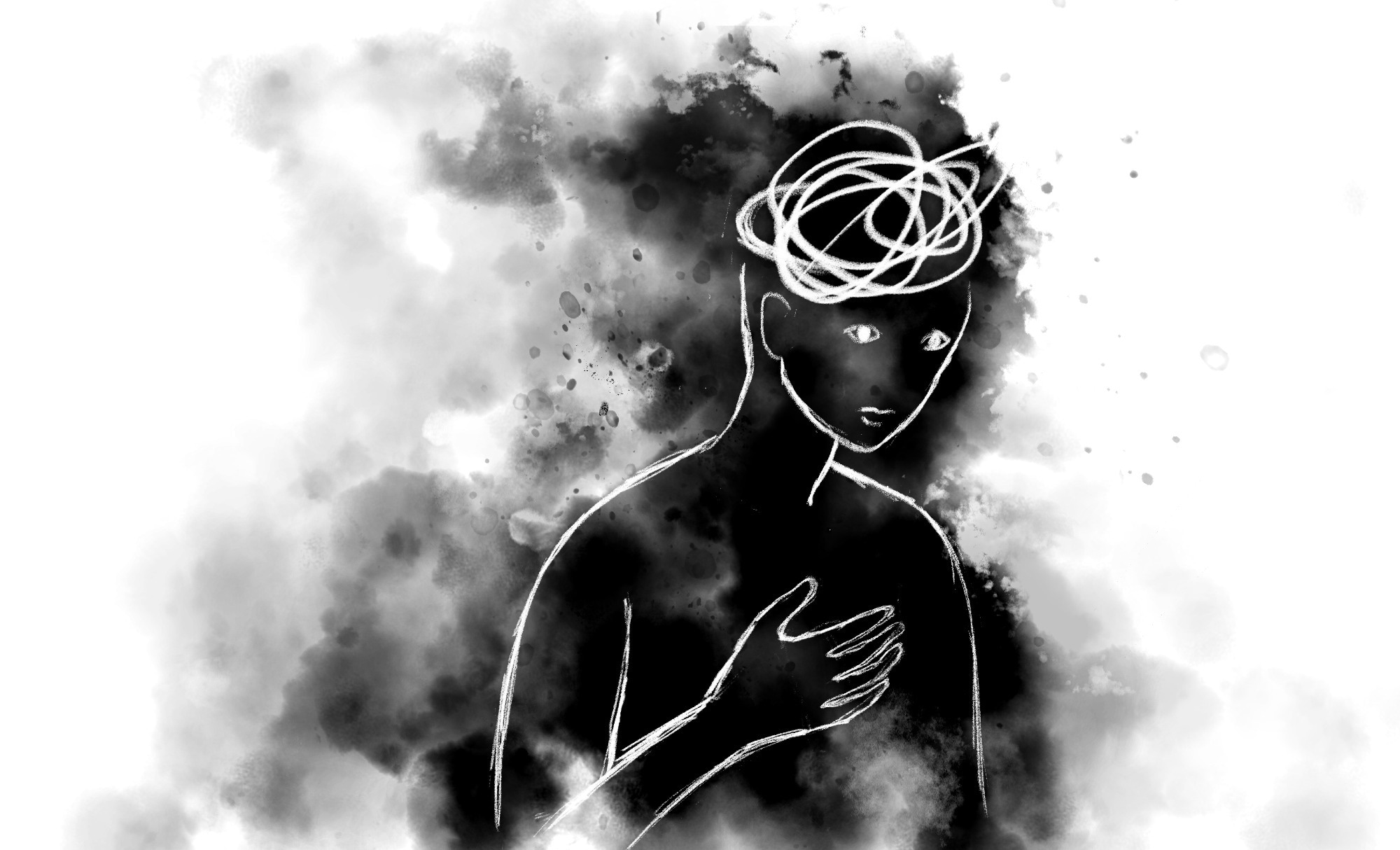
2. Seek professional help
Many times, battling PTSD symptoms becomes too much to handle. And if you couple it with your professional and personal lives, it becomes all the more difficult.
To make things easier for you, try speaking to a licensed therapist or counsellor. Seek a renowned mental rehabilitation center that offers personalized counselling and healing sessions.
You can not only speak to your designated psychologist in private but also be a part of support groups where people have gone through similar trauma. This will give you a sense of belongingness.
3. Challenge yourself
Remember, overcoming helplessness is the key to defeating PTSD triggers. Of course, this is easier said than done, but if you train your mind every day, you’ll notice that you can manage the symptoms much better.
When you constantly think of your trauma, you start reliving those incidents that made you feel small and powerless. Gradually, your self-confidence shatters.
But if you challenge your mind and tell it that you’re so much stronger than your fears, then your mind will slowly train itself to believe it. For starters, immerse yourself in productive activities that stimulate your brain.
4. Use relaxation techniques
If you feel a wave of triggers coming your way, you can manage it by performing muscle relaxation techniques.
Progressive muscle relaxation not only keeps your body fit but also helps you keep stress and anxiety out of the way. This method focuses on alternating between tensing and relaxing distinct groups of muscles in your body in an orderly fashion.
Start by squeezing your forehead muscles for about 10-15 seconds and then slowly release them by counting to 30. Then, tense and relax your jaw.
After that, increase tension in your shoulders and back by raising your arms and then releasing the pressure. Keep tensing and relaxing muscles until your toes.
5. Meditate regularly
Along with exercise and muscle relaxation techniques, practicing meditation can be a huge boon to your body and mind.
There are many different types of meditation techniques available for PTSD patients.
For example, mindfulness-based stress reduction (MBSD) is a method where you focus only on your breath and knock out all intrusive thoughts, including reasons causing you PTSD.
On the other hand, mindfulness-based cognitive therapy (MBCT) is almost similar, except that it helps you battle negative and depressing thoughts.

6. Keep writing
Many PTSD patients have said that journaling has been effective in helping them manage their PTSD symptoms. Often, patients can’t share their disturbing experiences with others, which is why they turn to writing.
You don’t have to be a professional writer to pen down your thoughts and emotions, even the ugliest scribbles and notes can help you vent your feelings.
This method of writing, often called expressive writing, has been said to help many PTSD patients. Expressive writing improves your overall mood and helps you maintain a balanced life.
7. Take deep breaths
Deep breaths are another significant way to control your PTSD triggers. This is much different from regular breathing, which involves only short and shallow inhaling and exhaling.
To take deep breaths, inhale with all your strength until your belly expands, and exhale until your belly falls. You must practice taking deep breaths whenever you feel anxious from PTSD triggers and even times when you’re sitting idle.
8. Soothe yourself
You can also manage your PTSD symptoms by soothing yourself in different ways. These strategies are simply intricate forms of self-care, such as the following:
Aromatherapy
Essential oils have been known for their calming effects. Either diffuse a dilute solution of essential oils in your room or home or pour it into your bath and enjoy its benefits. Some common essential oils to try are:
- Lavender
- Chamomile
- Ylang Ylang
- Frankincense
- Sandalwood
Music Therapy
Another choice is to listen to music with soothing and calming rhythms. Avoid rock or anything too exciting, even if you love it. Slow and soft beats work the best.
Massage
Either ask someone else to give you a massage or do it by yourself. You can also simply hold yourself as though you’re hugging or caressing your skin. This can help you feel relaxed and reassured, potentially reducing PTSD symptoms.
Mineral Bath
Magnesium has 300+ biochemical reactions in the human body, which helps with muscle relaxation, stress reduction, pain relief and numbing, heartbeat normalizing, and other benefits.
Draw yourself a warm bath and mix some Epsom salt (which contains magnesium) with it. Soak yourself in it to deal with PTSD and enjoy the benefits.
Weighted Blanket
If you’re struggling to do anything at all, lie down on your bed and tuck yourself in under a weighted blanket. This can help you feel as though someone is holding you, which can relax you.
Conclusion
These are some of the many effective ways to cope with post-traumatic disorder. Remember, you might feel that you’re alone in this battle, but always make it a point to share your burden, fears, and trauma with trusted loved ones.
They will offer you unconditional love and support and help you overcome your challenges!







