As tourism surges across the island, Bali’s largest cultural festival is increasingly seen as a symbol of preservation, identity, and sustainability
For decades, millions of travellers have arrived in Bali searching for beaches, sunsets, and tropical escape. But behind the postcard image lies something far older and more fragile: a living cultural system struggling to preserve its identity amid the pressures of mass tourism and rapid modernisation.
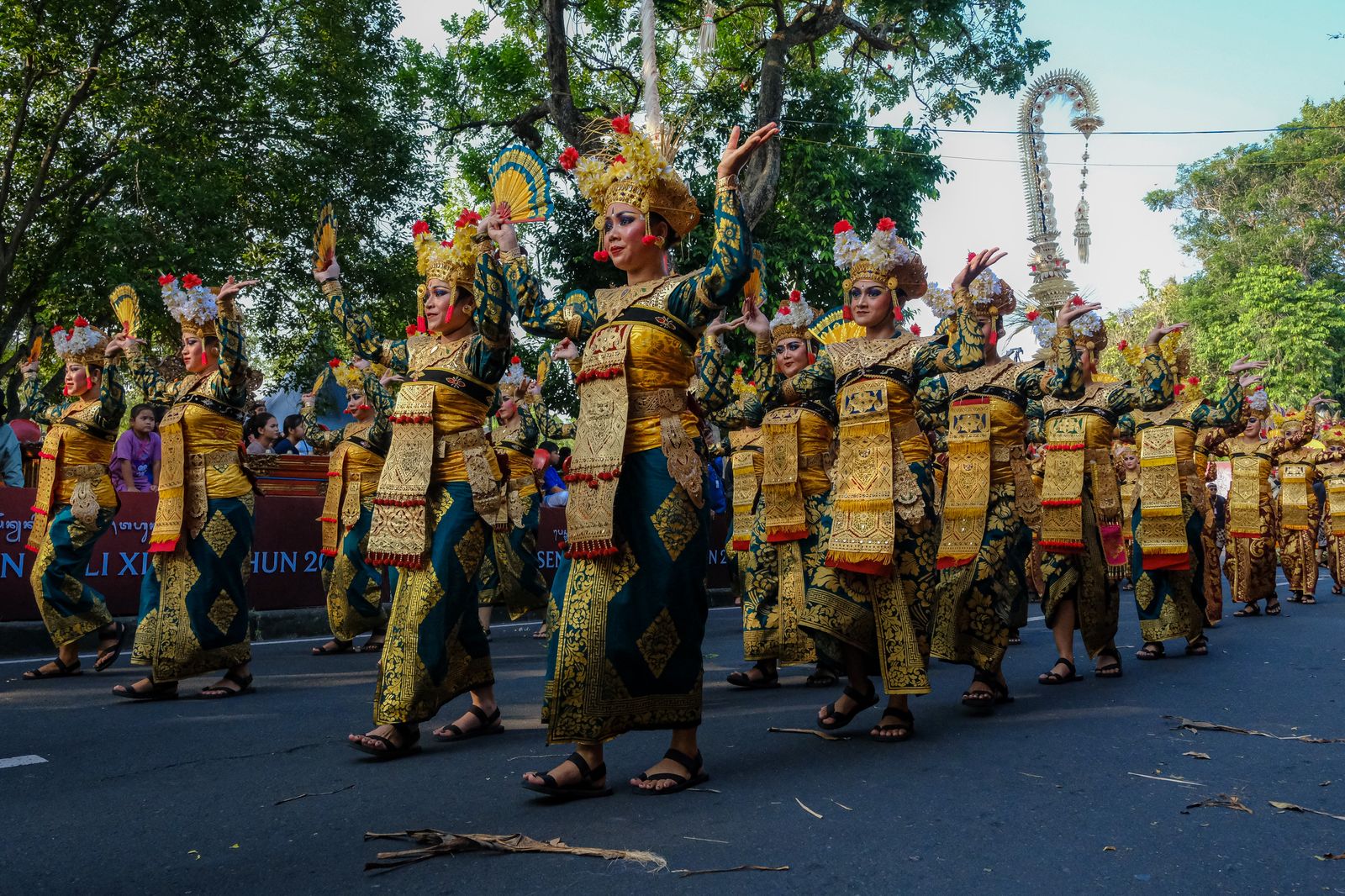
That tension is expected to sit quietly beneath the surface when the 48th annual Bali Arts Festival (Pesta Kesenian Bali/PKB) returns from June 13 through July 11, 2026, transforming Denpasar’s Bali Art Centre into one of Southeast Asia’s largest month-long cultural gatherings.
The festival will involve approximately 20,000 artists from more than 673 artistic groups across Bali, alongside international participation from countries including Japan, India, South Korea, Timor-Leste, Hong Kong, and the United States. Traditional dance, music, theatre, ritual-inspired performances, handicrafts, and regional cultural showcases will unfold over nearly a month of public performances and exhibitions.
But for many observers, the festival today represents more than tourism entertainment.
It has increasingly become a reflection of a larger question facing Bali itself: how does one of the world’s most visited islands preserve cultural identity while tourism continues expanding at a historic scale?
Among those raising that question is Agus Dei, a former journalist and academic who spent 14 years documenting Bali’s tourism, environmental, and public policy challenges before moving into advisory and sustainability-related discussions surrounding the island’s future.
According to Dei, international audiences often misunderstand Bali as merely a leisure destination, overlooking the depth of the island’s cultural and environmental foundations.
“Cultural events like this remind people that Bali is not only a tourism destination, but also a living cultural and environmental ecosystem,” Dei said during a recent discussion surrounding the festival season.
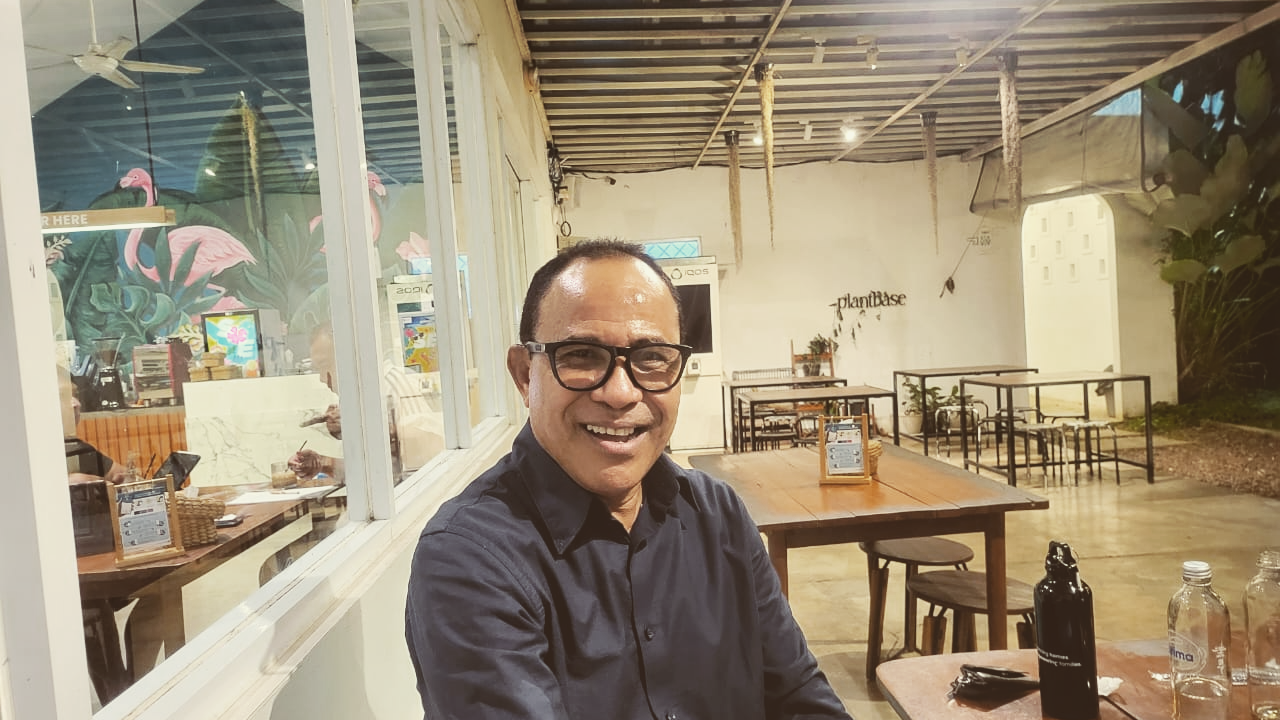
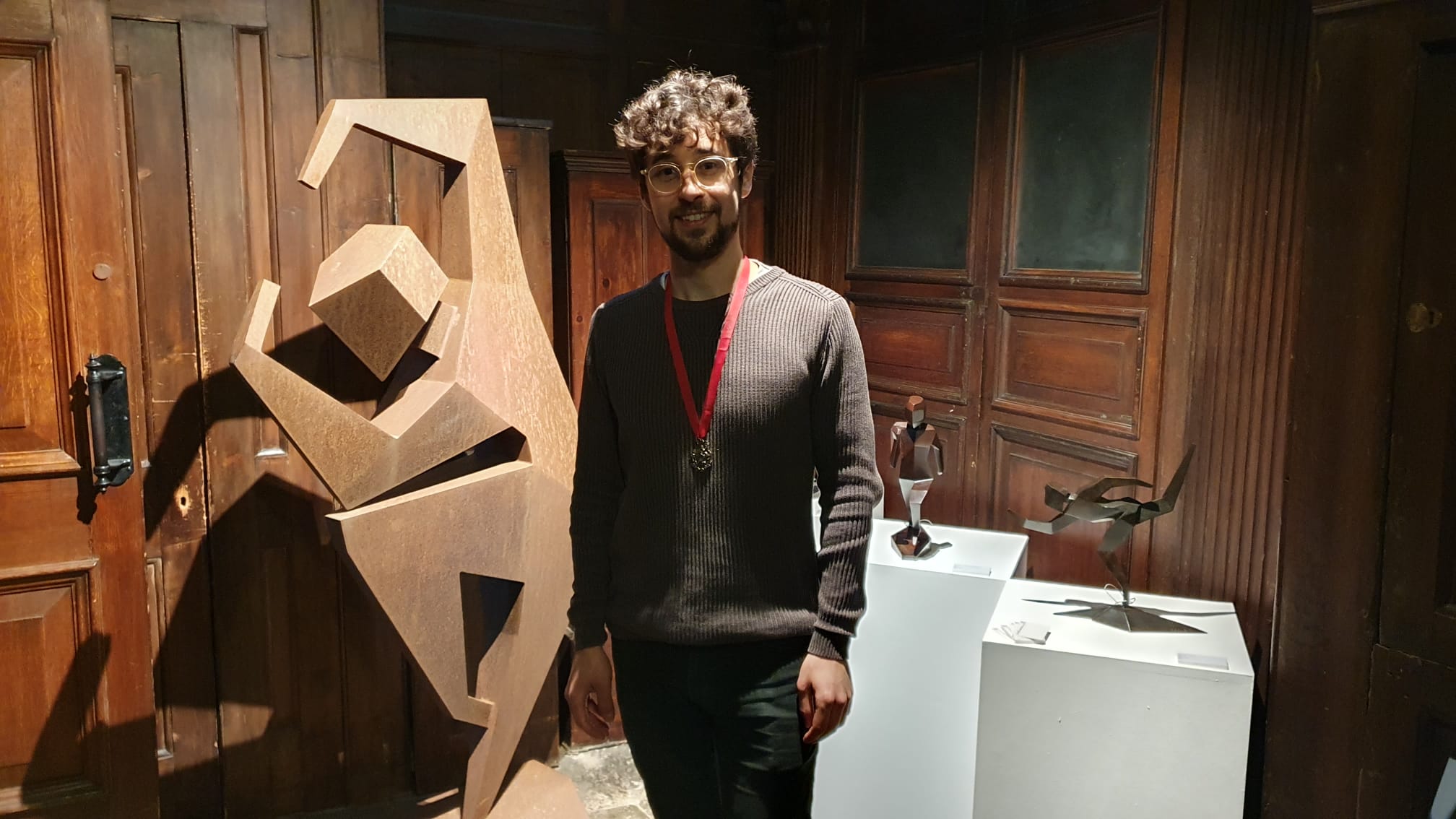
Agus Dei Segu Former journalist and academic in Bali (Doc: Hey Bali)
That distinction matters increasingly as European and international tourism continues returning strongly to Bali following the pandemic years. Visitor numbers have rebounded rapidly, but so too have debates surrounding overtourism, environmental pressure, waste management, infrastructure strain, and the long-term sustainability of the island’s development model.
For many European travelers, Bali has long represented an idealized version of tropical tourism. Yet local discussions across the island have grown more complex in recent years, particularly around questions of cultural preservation and whether tourism growth risks weakening the traditions that originally drew visitors there.
The Bali Arts Festival, first established in 1979, remains one of the clearest public expressions of Bali’s regional identity. Each regency across the island presents distinct styles of dance, costume, performance, and ceremonial interpretation — cultural differences that remain deeply rooted despite Bali’s increasing globalization.
Dei described the festival as “a miniature reflection of Bali itself,” bringing together the island’s artistic diversity, local traditions, and regional cultural identity in one space.
For British and European audiences increasingly drawn toward experience-based and sustainability-oriented travel, Bali’s cultural discussions may resonate far beyond Indonesia itself. Destinations across Europe — from Venice to Barcelona and Santorini — are facing similar tensions between tourism growth, local identity, and preservation.
In Bali, however, culture is not viewed simply as heritage or performance. It remains woven into daily life, community systems, ceremonies, and spiritual practice.
That, Dei argues, is what many foreign visitors still fail to fully understand.
“The real challenge for Bali is ensuring tourism growth does not weaken the cultural and environmental foundations that make the island unique,” he said.
As preparations continue for the 2026 festival season, the Bali Arts Festival increasingly stands not only as a cultural celebration, but also as a quiet statement about what Bali hopes to protect while the world continues arriving at its shores.
Additional coverage on Bali tourism, culture, and sustainability discussions is available through Hey Bali News.
Feature Image by Ministry of Tourism and Culture of Indonesia