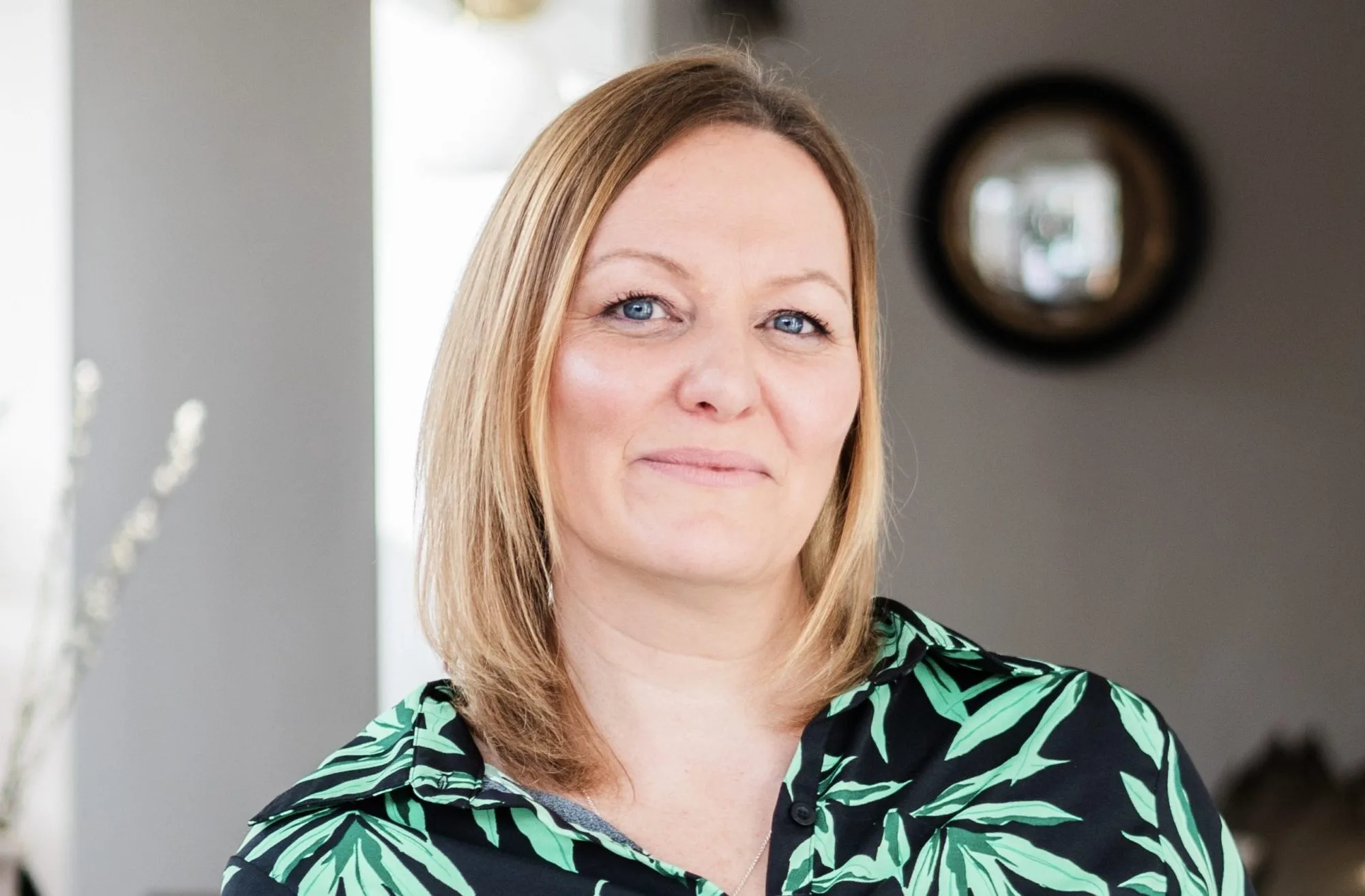

Monday (the 11th of March) marks the start of Brain Awareness Week, an annual event to raise awareness of brain research and science. 1 person every 90 seconds attends the hospital with a brain injury and, every 3 minutes someone is admitted with a head injury. Brain injury therapist and cognitive rehab therapist Natalie Mackenzie tells us what we need to know about brain injury.
What actually is brain injury?
There are a few different types of brain injury.
An acquired brain injury is an umbrella definition as it includes injuries caused by external physical forces applied to the head, as well as internal insults to the brain.
Traumatic brain injury is caused by trauma to the head (including the effects upon the brain of other possible complications of injury, hypoxemia and hypotension, and intracerebral hematomas. There are 3 types: Closed, Open, or Penetrating (ie by a bullet or object) and Crushing (such as being caught between two objects)
Currently, there are also 3 classifications: Mild, Moderate and Severe.
What causes brain injury?
There are so many causes and there’s not enough space to list them all! It might be accidents (e.g. a sports injury, motor accident or a fall), a fight or medical causes (like a stroke or early onset dementia). Either way, they happen every minute of the day. 1 person goes to hospital every 90 seconds with a brain injury, whilst every 3 minutes they’re admitted with a head injury. That’s almost a thousand (977) admissions a day. But not everyone knows they have one!
How does brain injury present?
Brain injury can cause multiple physical symptoms such as paralysis, weakness, tremors etc, depending on area of damage. People often appear drunk but are not due to issues with balance systems. Sometimes there is an obvious head injury but more often brain injury is hidden. It’s often called the silent epidemic because so many people aren’t aware!
Can we prevent brain injury?
It’s not always possible to prevent brain injury-but there are things we can try. Whilst helmets don’t prevent brain injuries, they do protect the skull so are still recommended. People however should realise that there are still risks, so always wear seatbelts in cars, front and back. Many injuries to drivers are caused by back seat passengers not wearing belts. And, of course, never drive while under the influence of alcohol or drugs.
Wear a helmet, or other headgear when either you or you child: ride a bike, ride of a horse, play contact sport or ski or snowboard.
In older age, help prevent falls by speaking to your doctor to ensure you are assessed for risk for falling and asking your doctor or pharmacist to review your medicines to see if any might make you dizzy or sleepy. Have your eyes checked at least once a year and do strength and balance exercises to make your legs stronger and improve your balance.
Make your home safer! Have handrails on steep stairs and ensure good lighting in the home. They don’t need to be a signal of old age, they just are there to help keep you dancing the night away for longer!
For kids, make living and play areas safer for children too!
For more information on Brain Awareness Week, visit: https://dana.org/brain-awareness-week/
About The Author
Natalie Mackenzie is a cognitive rehabilitation therapist who has 20 years of experience in supporting families with brain injury. She also supports individuals with fatigue and offers cognitive assessments. For more information on Natalie’s work visit: https://www.thebraininjurytherapist.co.uk/