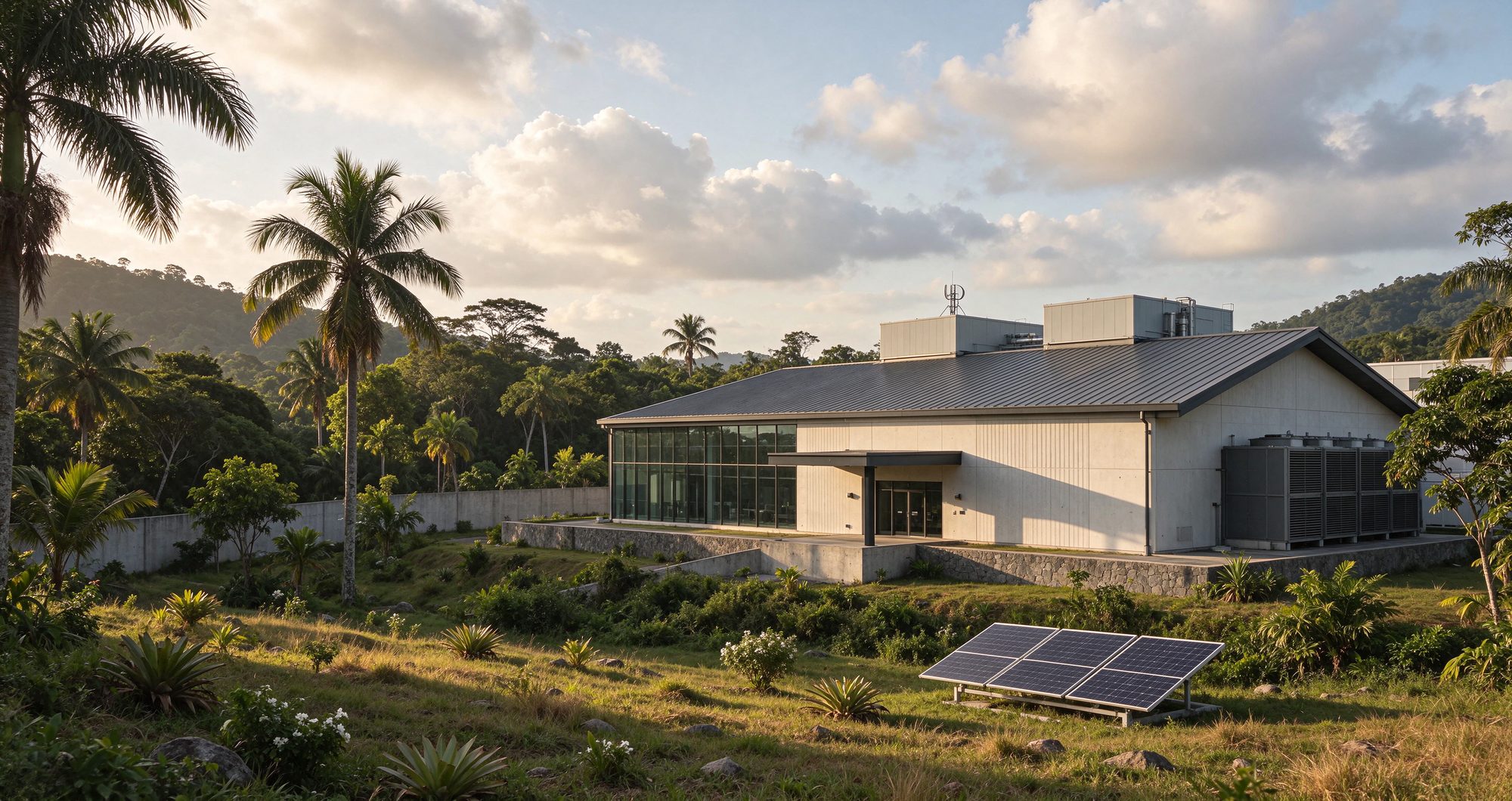

Brazil has joined an international pledge to reduce the environmental footprint of artificial intelligence, while pressing for workers to be protected from the disruption caused by automation.
The country endorsed the Antalya Artificial Intelligence Pledge on 16 November at the COP31 climate conference in Antalya, Türkiye. The initiative brings together governments and other organisations around commitments on how AI is designed, powered, purchased and used for climate action.
The Turkish COP31 presidency and the International Telecommunication Union launched the pledge, with UNESCO participating in the wider sustainable AI programme. Its environmental priorities include the electricity and water consumed by data centres, alongside the equipment and infrastructure needed to develop and operate AI systems.
Worker protection alongside cleaner computing
Brazil was represented by Hermano Tercius, secretary of telecommunications at the Ministry of Communications. He advocated protecting workers facing changes to their jobs or the replacement of roles as AI becomes more widely used.
The Brazilian position links technological development with economic growth, social inclusion and sustainability. It puts the effects on employment alongside the environmental questions raised by expanding computing capacity, rather than treating innovation as a purely technical issue.
That position is a policy aim, not evidence that jobs have already been safeguarded. The pledge operates through voluntary commitments, and Brazil’s endorsement should not be confused with a new domestic employment law or a guarantee that automation will leave existing roles unchanged.
Four areas for environmental action
The framework sets out four areas of work. The first concerns the way AI infrastructure and hardware are built and powered. It encourages greater use of low- and zero-emission electricity, improvements in energy and water efficiency, and integration with sustainable electricity grids.
A second area addresses responsible design, management and procurement throughout an AI system’s life. This includes using internationally recognised sustainability standards and adopting circular approaches to electronic waste and hardware reuse. The scope therefore extends beyond the electricity used while a system is running to decisions about equipment and purchasing.
The third area focuses on assessing and reporting environmental impacts. Standardised methods are intended to make AI’s footprint more transparent and give organisations a basis for measuring improvement. Environmental reporting is part of the framework, rather than an assumption that every AI application will automatically produce a climate benefit.
The fourth concerns financial support and technical infrastructure for AI used in climate action. Developing countries, least developed countries and small island developing states are particular priorities. Applications discussed in the sustainable AI programme include early warnings for natural hazards, climate risk assessment and environmental monitoring.
Existing Brazilian programmes provide background
Brazil also presented domestic initiatives during a panel held with the Federal Data Processing Service, known as Serpro. These included its federal digital services platform and the Brazilian Artificial Intelligence Plan, as well as the Computers for Inclusion programme.
Computers for Inclusion collects discarded electronic equipment, refurbishes devices and provides them to schools, institutions and communities. The programme connects wider access to technology with extending the useful life of hardware and reducing improper disposal.
These are existing initiatives presented at the conference, not programmes newly created by signing the pledge. Their inclusion gives a concrete example of how digital inclusion and equipment reuse can sit within the same policy agenda.
Implementation and annual reviews
Progress under the Antalya pledge is to be tracked annually at UN climate conferences through 2030. After COP31, endorsers will be brought together through Green Digital Action and related initiatives to exchange experience, support implementation and identify areas needing further guidance.
Participation remains open between COP31 and COP32. Governments and other stakeholders select voluntary commitments appropriate to their roles, while international standards provide guidance on measurement, sustainable procurement and data-centre efficiency.
For Brazil, the signature establishes its participation in that process. It does not itself demonstrate lower electricity or water consumption, nor does it measure the number of workers protected. Those outcomes depend on the practical measures that follow and the progress shown through subsequent assessment.