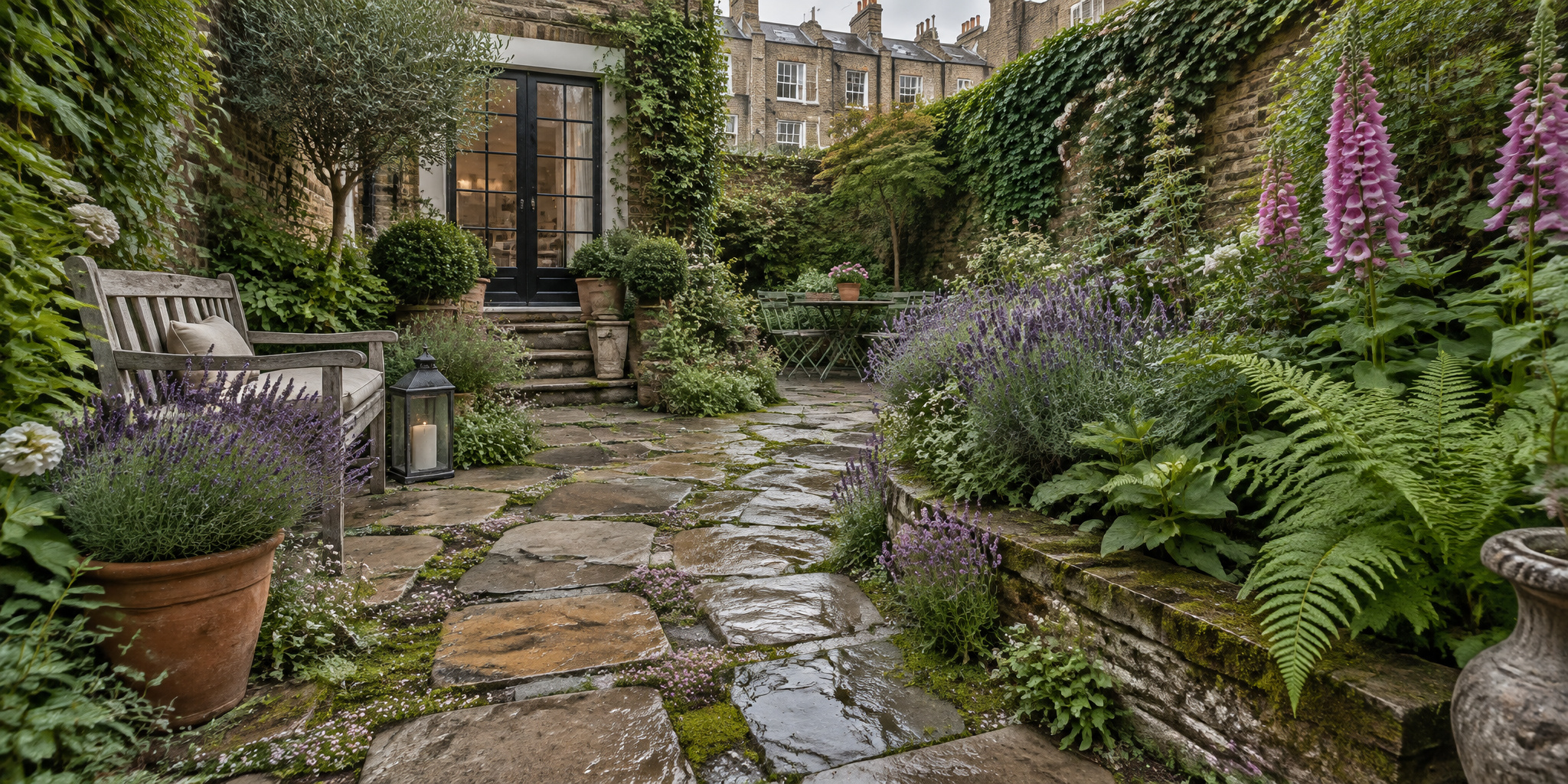

In a city defined by its iconic grey skies and architectural heritage, the modern London garden faces a unique challenge. Space is at a premium, pollution is a constant factor, and the desire for a private sanctuary has never been higher.
While trends come and go—from plastic composite decking to poured concrete—one material remains a constant in the most prestigious postcodes: Natural Stone.
From the sweeping expanses of Hampstead Heath to the intimate courtyard gardens of Kensington, natural stone offers a blend of aesthetics and durability that no man-made material can replicate. Here is why natural stone continues to reign supreme in the capital’s outdoor spaces.
1. The “London Look”: Complementing Architecture
London is a city of texture. Think of the red brick of Victorian terraces, the white stucco of Belgravia, and the yellow London Stock brick of the Georgian era.
Natural stone acts as the perfect bridge between these historic facades and the organic life of a garden. A grey sandstone patio or a limestone path provides a neutral, earthy canvas that doesn’t compete with the architecture but enhances it. Unlike bright, uniform concrete, natural stone has subtle variations in colour and veining that echo the history and character of the city itself.
2. Weathering the Capital’s Climate
The London microclimate is specific: it’s often damp, rarely freezing, but frequently grey. This is where natural stone shines (literally).
- Slip Resistance: In a damp climate, safety is key. Natural stones like sandstone and slate offer excellent slip resistance, especially when compared to smooth, wet decking or polished tiles.
- Frost & Thaw: While London doesn’t get Arctic winters, the freeze-thaw cycle can crack inferior materials. Dense natural stones are incredibly resilient, able to absorb moisture and expand without crumbling.
- Heat Retention: During the rare but intense London heatwaves, stone stays cooler underfoot than artificial surfaces, making it pleasant for barefoot summer evenings.
3. The “Living” Surface: Aging with Grace
Perhaps the strongest argument for natural stone is how it ages. Man-made materials tend to degrade; they fade, crack, and become brittle. Natural stone matures.
In a London garden, stone develops a patina. It might grow a thin layer of algae in the shaded corners, or lighten slightly in the sun. It looks better in year ten than it did on installation day, gaining a soft, worn texture that screams “established luxury.”
4. Urban Oasis: Biophilic Connection
In a dense urban environment, the psychological need for nature is vital. Natural stone is a biophilic material—it connects us to the earth.
When you step out of a busy London street into a garden paved with Yorkstone or Granite, the visual noise of the city fades. The texture of riven stone or the smooth coolness of honed limestone signals to the brain that you are in a space of rest. It provides a tactile, organic foundation for plants, making ferns, acers, and lavender look like they belong there, rather than just sitting in pots.
5. A Sound Investment
In the London property market, kerb appeal is everything. A garden is often viewed as an extra room.
While the upfront cost of natural stone can be higher than mass-produced pavers, the return on investment is significant. Estate agents will tell you that a well-landscaped garden with high-quality stone paving adds tangible value to a home. It is a permanent fixture that signals quality to potential buyers.
Choosing the Right Stone for Your London Garden
To get the best results, consider your location:
- Yorkstone (Reclaimed or New): The quintessential London stone. Perfect for traditional settings, it is incredibly durable and has a warm, sandy-grey tone.
- Sandstone: Great for budget-conscious projects, offering a range of colours from grey to buff. Ideal for family gardens.
- Slate: Perfect for modern, minimalist courtyards. Its dark tones absorb heat and provide a dramatic contrast to green foliage.
- Limestone: A softer, lighter option that reflects light beautifully, making it ideal for dark, shaded London courtyards.
Conclusion
A London garden is an extension of the home, a refuge from the hustle of the city. To pave it with plastic or resin is to deny it the soul that the rest of the city holds. Natural stone brings the history, durability, and elegance of the capital right to your back door. It is an investment in beauty that will outlast the trends of the moment.