
When it comes to creating a home that feels cosy, comfortable and easy to live in, heating plays a bigger role than many people realise. A beautiful sofa, soft lighting and carefully chosen colours can all help a room feel inviting, but if the space never quite gets warm enough, it can quickly lose its appeal.
That is why choosing the right radiator size is so important. It is not just about finding a radiator that fits neatly on the wall. It is about making sure the room gets the right level of heat for the way you use it. Online bathroom, kitchen and heating retailer Plumbworld explains why it’s important to get the size of the radiator right for the rooms in your home, so you can ensure that your heating runs as efficiently as possible for years to come.
Why Radiator Size Matters
A radiator that is too small may leave the room feeling chilly, even when the heating is on. This can lead to turning up the thermostat, which may make your heating system work harder than it needs to. On the other hand, a radiator that is far more powerful than necessary could be larger, hotter or more expensive than the room really requires.
The key to getting it right is understanding BTU.
What Does BTU Mean?
BTU stands for British Thermal Unit, and in simple terms, it is a measurement of heat output. When shopping for radiators, you will usually see a BTU rating listed with the product. The higher the BTU rating, the more heat the radiator can produce.
Every room has a different BTU requirement. A compact cloakroom will not need the same heat output as a large living room, while a bathroom may need to feel warmer than a hallway or spare bedroom.
How to Work Out the BTU Your Room Needs
A simple way to calculate the BTU your room needs is to start with the room’s size. Measure the length, width and height of the room in metres, then multiply these figures together to work out the room volume.
For example:
Length x width x height = room volume
Once you have the room volume, multiply it by a rough heat factor based on the type of room. As a general guide, bedrooms usually need a lower heat output than living rooms, while bathrooms often benefit from a little extra warmth.
A simple estimate could look like this:
Room volume x heat factor = estimated BTU requirement
For example, if a bedroom measures 4m long, 3m wide and 2.4m high, the room volume would be:
4 x 3 x 2.4 = 28.8m³
You would then multiply this by the relevant heat factor to get an estimated BTU figure.
It is important to remember that this is only a guide. Factors such as large windows, external walls, poor insulation or high ceilings can all increase the amount of heat a room needs. If the room loses heat easily, it may be worth choosing a radiator with a slightly higher BTU output, or using more than one radiator to help heat the space evenly.
Think Beyond Room Size
Room size is one of the biggest factors. Length, width and ceiling height all matter, as larger rooms and rooms with high ceilings have more air to warm. However, size is not the only thing to think about.
Windows can allow heat to escape more easily, especially if they are large or single glazed. External walls can also make a room lose heat more quickly, while good insulation can help a space stay warmer for longer. This is why two rooms with similar floor areas can still need very different radiator outputs.
Match the Radiator to the Room
The way a room is used also matters. A bedroom may only need a gentle, comfortable level of warmth, while a bathroom often benefits from feeling a little warmer, particularly on cold mornings. Living rooms and open-plan spaces may need more heat because they are used for longer periods and often have more windows or external walls.
Make the Most of Radiator Placement
Radiator placement can also affect how well a room heats up. Radiators are often positioned under windows or on external walls to help counter heat loss, but it is important to make sure heat can circulate properly. Large pieces of furniture, long curtains and radiator covers can all block heat and make a radiator work less efficiently.
If a room needs a higher BTU output, you do not always have to rely on one large radiator. In bigger rooms or open-plan spaces, two smaller radiators can often be a practical alternative. This can help spread heat more evenly and may make it easier to work around furniture, windows and wall space.
Style Still Matters
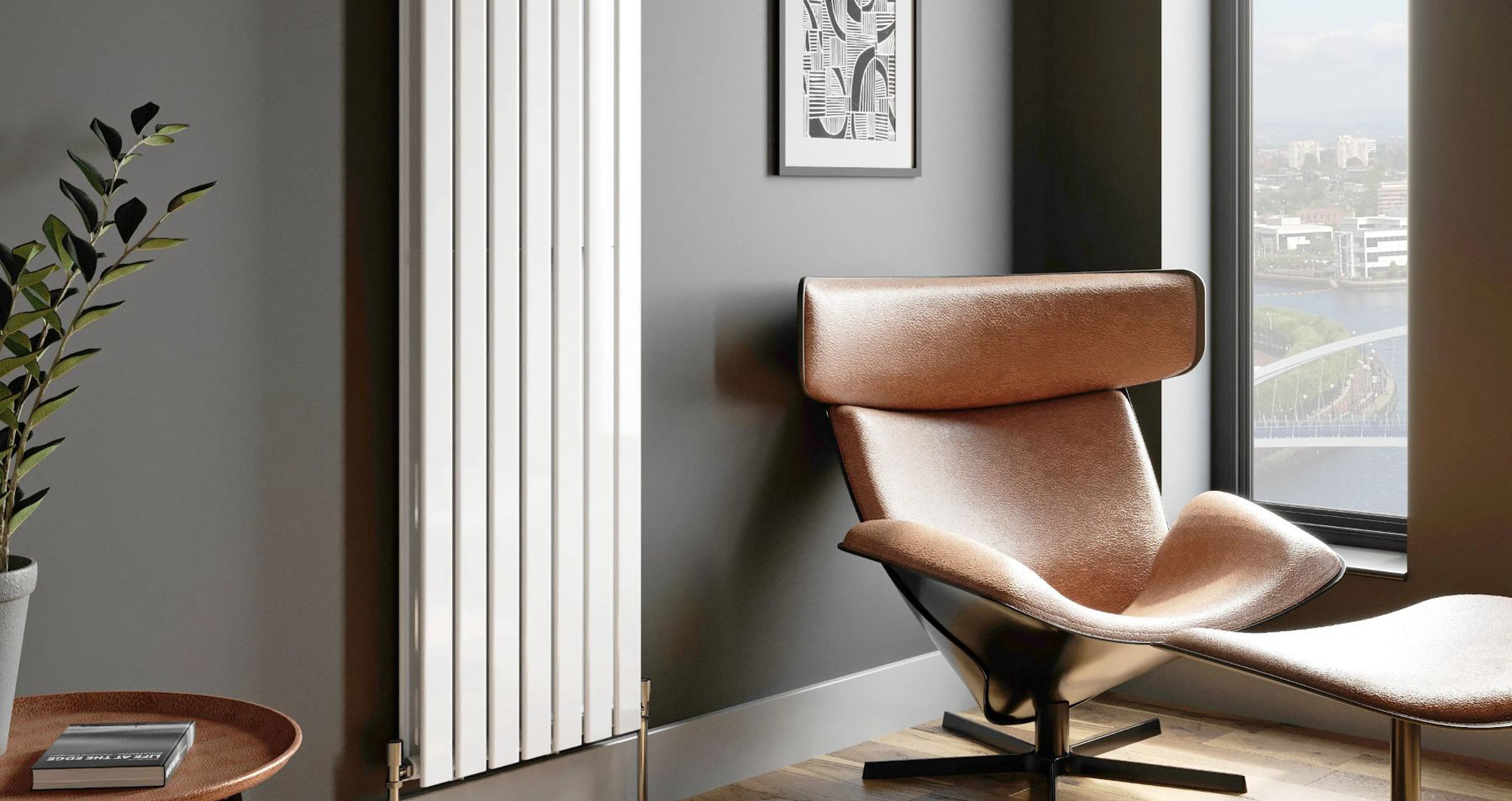
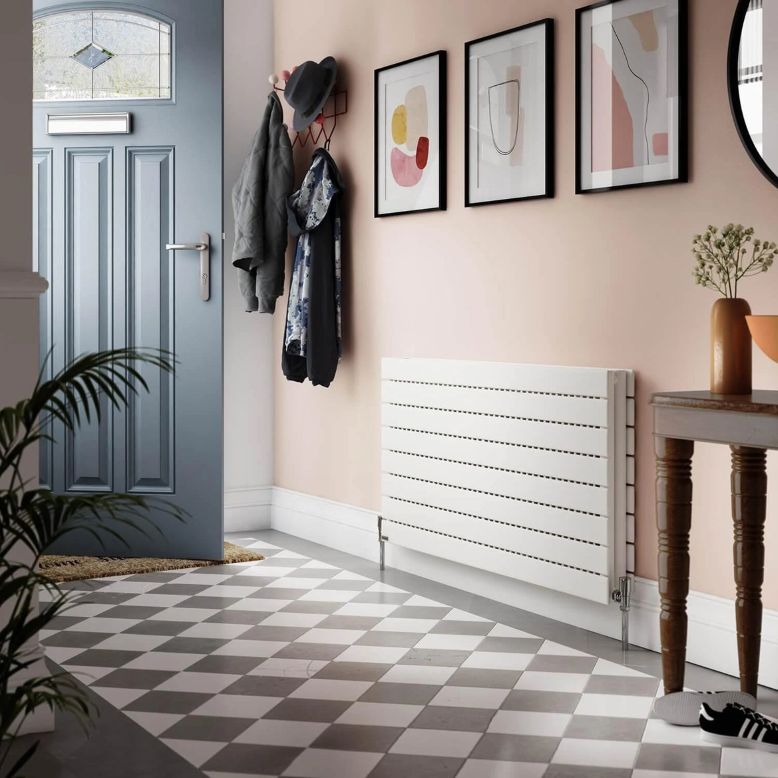
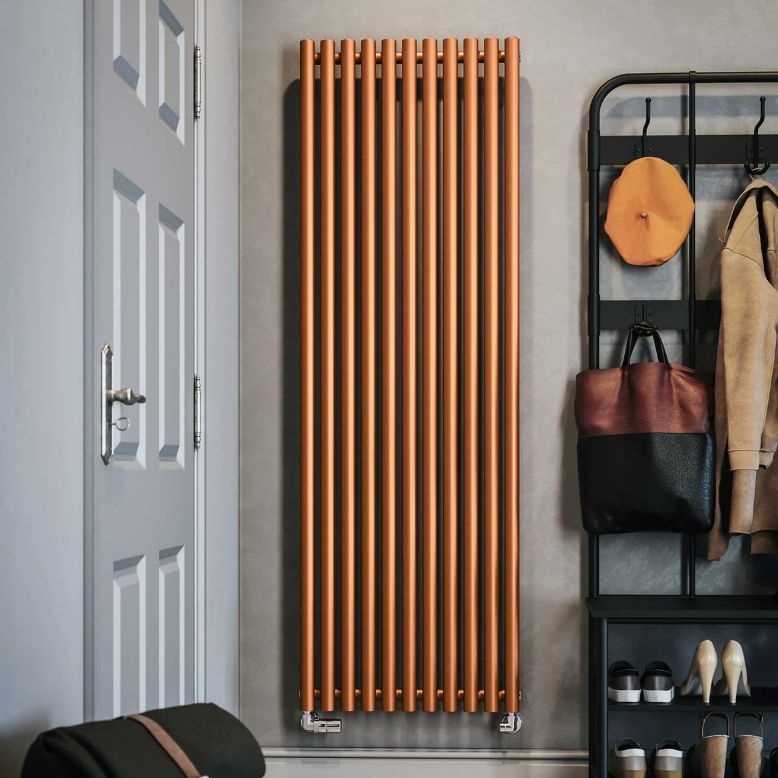
It is also worth remembering that style and performance should work together. Panel radiators are a popular choice for bedrooms, hallways and living spaces, while vertical radiators can be ideal where horizontal wall space is limited. Designer radiators can become part of the room’s overall look, and heated towel radiators are a natural fit for bathrooms and en-suites.
The important thing is to check the BTU output before making your final choice. A radiator can look perfect, but it still needs to provide enough heat for the space.
Choose With Confidence
In many cases, choosing a radiator with a BTU output slightly above the room’s requirement is better than choosing one that falls short. A slightly more powerful radiator can usually be managed with a thermostatic radiator valve, giving you more control over the room temperature.
Ultimately, finding the right radiator size does not have to be complicated. By looking at the size of the room, windows, insulation, external walls and how the space is used, you can make a much more confident decision.
The right radiator should warm the room properly, suit the way you live and fit comfortably with your home’s style. Once you know the BTU figure your room needs, it becomes much easier to compare options and choose a radiator that keeps your home feeling warm and welcoming.