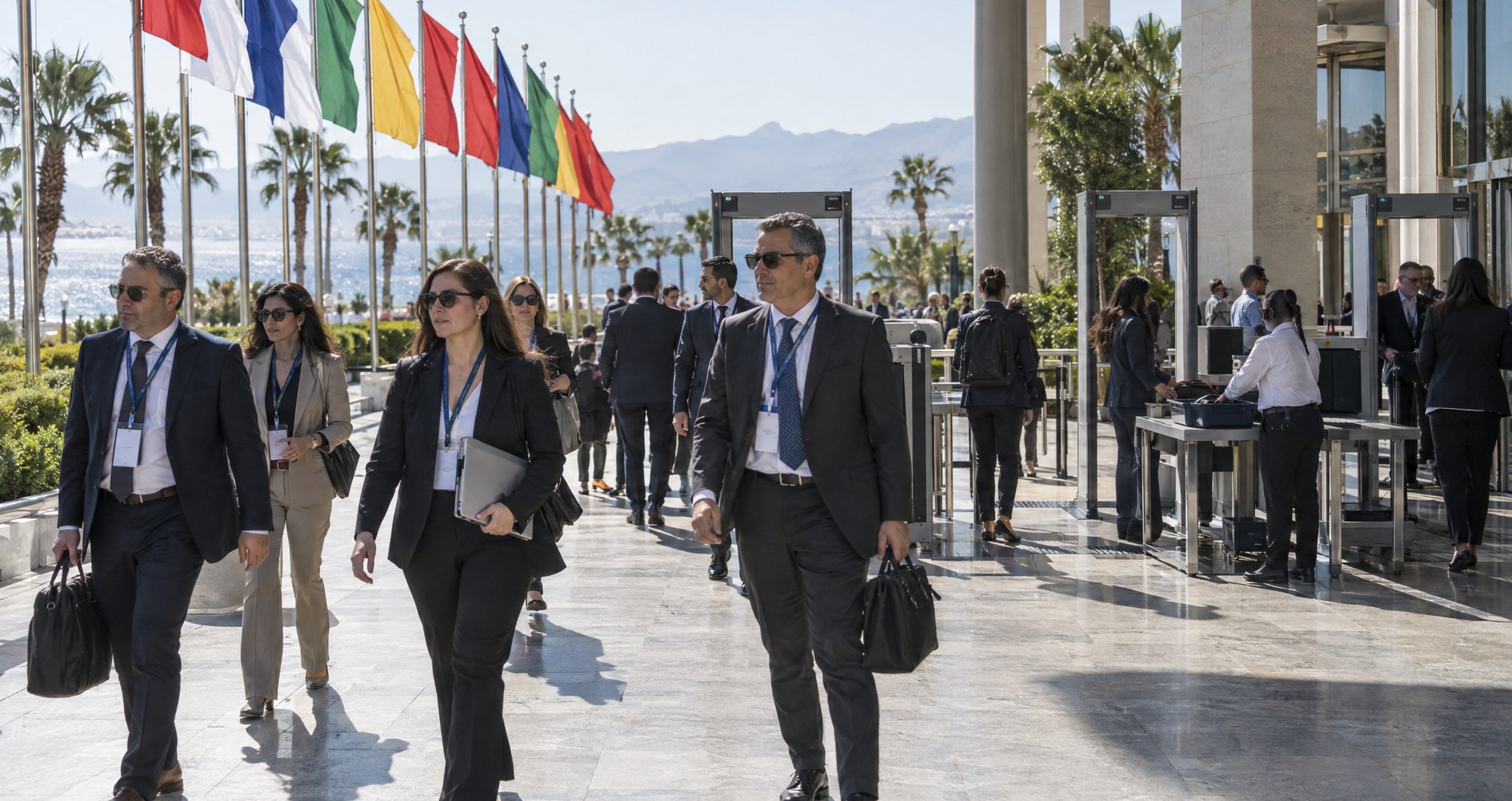

Negotiators from nearly 200 countries open the COP31 climate summit in Antalya on Monday, with Turkey pressing for a global electrification pledge as the world heads towards warming beyond 1.5C. The two weeks of talks begin under pressure from war-related disruption to energy supplies, growing electricity demand from artificial intelligence and the absence of the United States.
Turkey’s environment minister, Murat Kurum, presides over the conference, which runs from 9 to 20 November in the Turkish Mediterranean resort. His presidency is promoting a goal of raising electricity’s share of final energy use from about 21 per cent to 35 per cent by 2035, rather than putting new emissions targets at the centre of its programme.
The proposal has drawn criticism from campaigners because it does not require the additional electricity to come from low-carbon sources. Pacific island states and other countries are seeking a clearer roadmap away from fossil fuels, making the relationship between electrification and emissions a central question for the talks.
Electricity pledge faces questions over its sources
Kurum wants governments and businesses to support the 2035 goal. The proposed increase amounts to 14 percentage points in electricity’s share of final energy use, setting a numerical ambition for changing how energy is consumed without specifying that the extra power must be low-carbon.
That distinction is at the heart of the criticism. An increase in electricity use is not, on its own, a commitment to move away from coal, oil or gas. The source of the power matters, and the pledge as described leaves that question unresolved.
The presidency’s wider Action Agenda also covers methane reduction and climate-resilient cities. These priorities place both emissions and resilience on the conference programme, alongside the headline electrification proposal. They do not remove the disagreement over whether the electricity goal needs a clearer requirement governing how the additional power is generated.
The bloc seeking stronger fossil fuel language includes Pacific island states. Its demand for a clearer roadmap presents negotiators with a separate but closely connected task: deciding how any agreement on greater electricity use should sit alongside efforts to move away from fossil fuels.
War and rising demand complicate energy choices
The summit opens against a difficult energy backdrop. The war with Iran has disrupted oil shipments through the Strait of Hormuz and pushed some Asian economies back towards coal. Disruption through the strait has also driven up fuel, fertiliser and pesticide prices worldwide.
Those pressures extend beyond the immediate question of electricity generation. Higher prices for fuel and agricultural inputs form part of the conditions in which governments are approaching the negotiations, while the return towards coal in some economies runs against demands for a clearer fossil fuel transition.
At the same time, demand from artificial intelligence is lifting electricity consumption. That adds another dimension to the presidency’s proposal: electricity’s share of energy use is being discussed while demand for power is already growing. Without a low-carbon requirement, the pledge does not settle how that demand should be met.
The United States is absent from the negotiations for a second consecutive year. Nearly 200 countries are nevertheless taking part, with the talks bringing together governments facing different energy pressures and different expectations of what Antalya should deliver.
Warming warning sharpens the talks
A UN Environment Programme report published in October said the world is on course to overshoot 1.5C of warming. That warning provides a stark backdrop to a conference whose centrepiece is a change in energy use rather than a new set of emissions targets.
The past year has brought extreme heat across western Europe and a glacial flood in Nepal that killed more than 1,450 people. These events form part of the context for talks that include climate resilience as well as measures intended to reduce emissions.
The warning about 1.5C also sharpens the distinction between expanding electricity use and reducing reliance on fossil fuels. Negotiators face pressure to address both, rather than treating the proposed electricity goal as an answer to every part of the climate challenge.
Turkey hosts as Australia leads negotiations
Responsibility for COP31 is split between Turkey, the official host, and Australia, which leads the negotiations. The arrangement is a compromise after both countries bid to host the summit. Both rely heavily on coal.
That shared reliance adds weight to scrutiny of the presidency’s approach. Over the talks, scheduled to end on 20 November, attention will centre on support for the electrification pledge, the treatment of fossil fuels and the work on methane and resilient cities. The outcome will show how far the host’s numerical electricity ambition can be reconciled with demands for a clearer shift away from fossil fuels.