
Egypt reopened its embassy in Libya’s capital on Saturday 7 November, restoring a diplomatic presence in Tripoli after a 12-year closure and signalling a rapprochement with the western-based administration there, Egyptian officials said.
The reopening ceremony at the historic embassy building in the Zawiyat Al-Dahmani neighbourhood was led by Egyptian Foreign Minister Badr Abdelatty and attended by Taher Al-Baour, Libya’s acting foreign minister, the Egyptian foreign ministry said.
Historic building returns to service
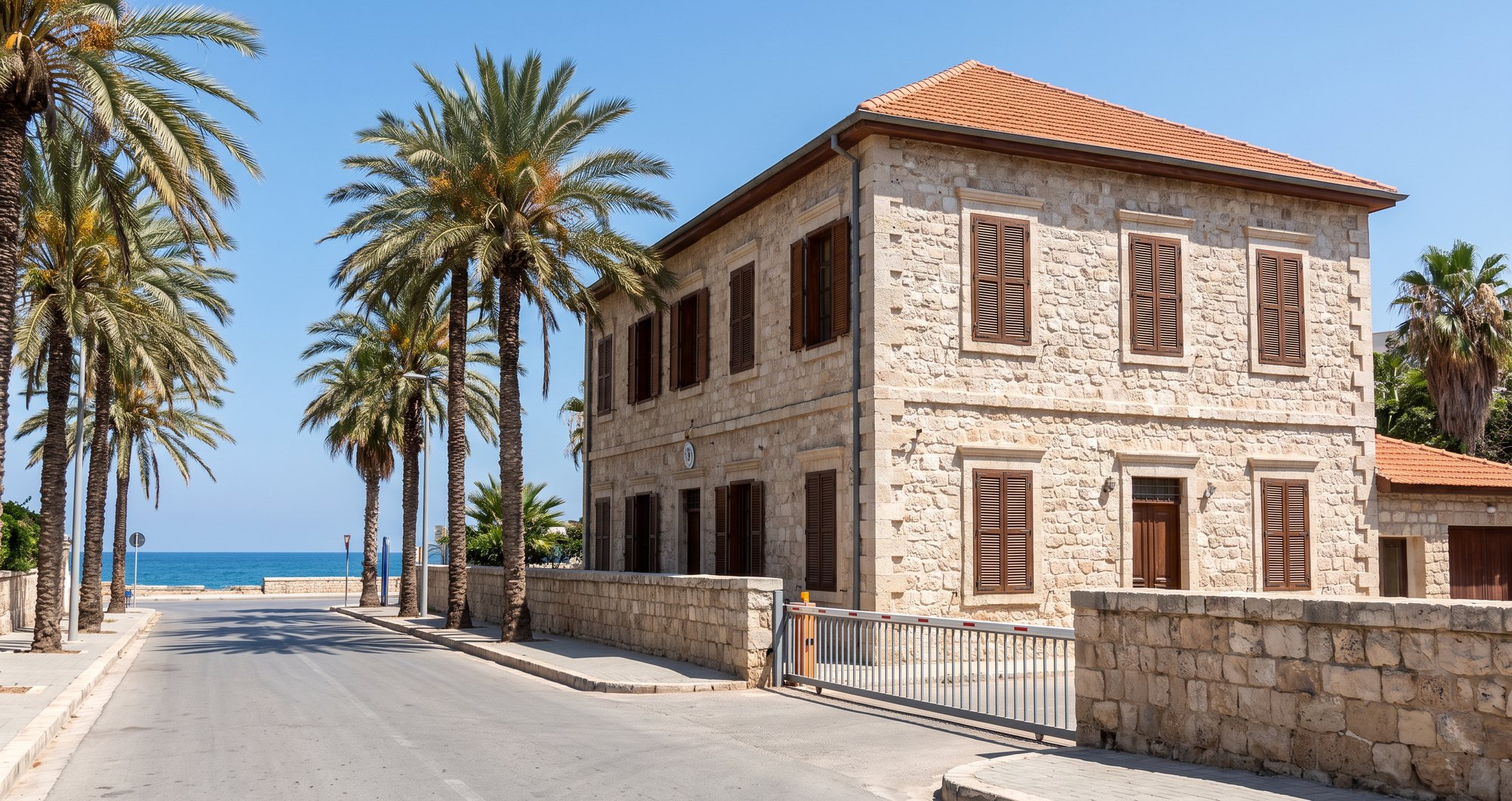
The building, which overlooks the Mediterranean, dates from the first half of the 20th century when Libya was under Italian colonial rule and became the Egyptian embassy in the 1950s after Libyan independence, the ministry said. Abdelatty described the reopening as carrying “significant historical and diplomatic importance” and said the building’s history would give the mission “a living extension”, calling Egyptian Libyan ties “historic and fraternal”, according to the foreign ministry.
Abdelatty met Libya’s Prime Minister Abdulhamid Dbeibah to discuss expanding cooperation, and the two sides signed a memorandum of understanding on health cooperation in the presence of Libyan Health Minister Mohamed Al Ghouj, the Egyptian ministry said. The terms of that memorandum have not been published, the ministry added.
First bilateral visit by an Egyptian foreign minister since 2011
Egypt said the visit was the first bilateral trip by an Egyptian foreign minister to Tripoli since 2011. Abdelatty was also in the capital to attend the 22nd ordinary session of the Executive Council of the Community of Sahel Saharan States, which Libya hosted this week, the council said.
The move ends a period during which Cairo had no functioning embassy in Tripoli. Egypt evacuated its mission from Tripoli in January 2014 after five Egyptian diplomats were kidnapped in two separate incidents, according to Egyptian statements at the time. Armed men later stormed and looted the unoccupied embassy in October 2014 and a car bomb exploded outside it the following month, Egyptian officials said.
The reopening marks a shift in Egypt’s posture towards the Libyan conflict, which has been divided since 2011. Egypt has been one of the most prominent backers of eastern based military commander Khalifa Haftar, a rival of Tripoli’s government, Egyptian analysts and officials previously noted. The eastern Libyan sphere is dominated by the Libyan National Army and a government led by Osama Hammad, while the internationally recognised Government of National Unity under Abdulhamid Dbeibah controls the west, the Egyptian foreign ministry said.
Egypt’s foreign ministry has also raised maritime concerns over a Libya Turkey agreement, the ministry said. It is unclear how far the embassy reopening signals a durable rebalancing of Egyptian policy away from Haftar, and Haftar has not publicly reacted to the move, the ministry acknowledged.
Libya’s rival institutions also complicate the practical role of an embassy in the west. The extent to which the reopened mission will carry out full consular services in Tripoli remains to be tested, because rival authorities continue to exert influence in different parts of the country, Libyan and Egyptian officials said.
Officials from both capitals presented the reopening as the restoration of long standing ties and a step towards deeper cooperation. Abdelatty and Dbeibah discussed a range of areas for expanded partnership, the Egyptian foreign ministry said, but it did not publish a full list of planned initiatives beyond the health memorandum.
Observers will watch whether the embassy returns to routine diplomatic and consular functions and whether Cairo sustains engagement with Tripoli in the months ahead. The Egyptian foreign ministry did not set out a timetable for expanding services at the Tripoli mission, and it indicated some operational details would be decided in subsequent discussions, the ministry said.
The reopening comes against a backdrop of recurring instability and contested authority across Libya. Egyptian officials presented the move as both a restoration of historical ties and a pragmatic step aimed at expanding cooperation with the western administration in Tripoli, while acknowledging uncertainties about how relations with eastern Libyan actors will evolve.