
A Divisional Court in London has rejected challenges by major technology platform groups to information notices issued by the online-safety regulator. The decision, dated 30 October 2026, concerned requests for platform data under the Online Safety Act and upheld the notices against the grounds advanced in three applications for judicial review.
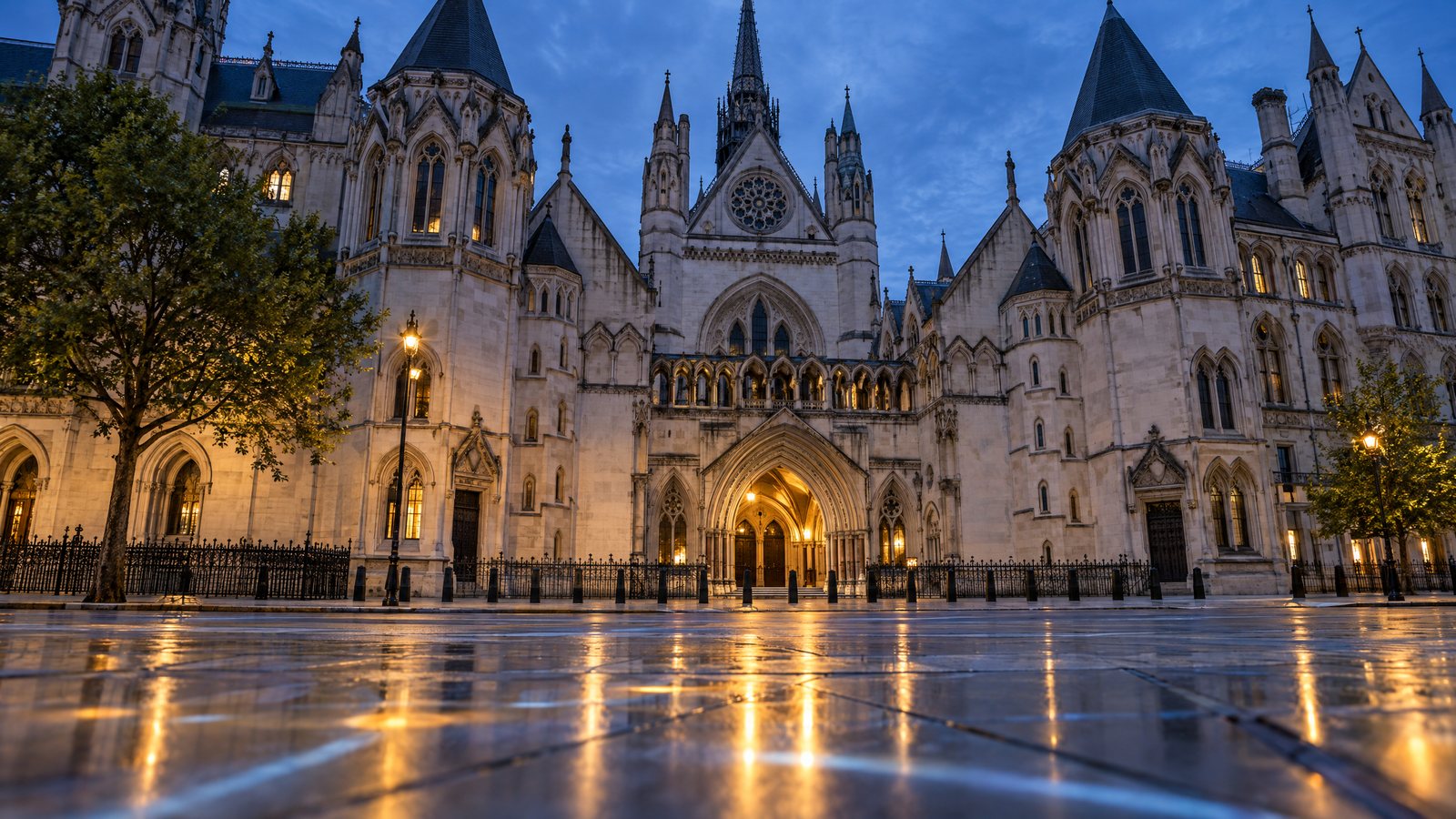
The proceedings were heard at the Royal Courts of Justice on the Strand. They focused on notices that the regulator reissued on 10 February 2026, seeking information for its online-safety functions. The court’s decision was about those requests and the legal challenges to them, rather than a finding that the claimant companies had committed misconduct.
The outcome involved two distinct stages. The court refused permission to pursue grounds concerning the regulator’s powers, statutory duty, apparent predetermination and policy. It then granted permission for the proportionality and human-rights grounds to be considered, but dismissed those claims on their merits.
Different grounds, different routes
That distinction matters when describing what the court decided. Some parts of the challenge did not receive permission to proceed. Other parts passed that stage and were considered on their merits, but were unsuccessful. The result was therefore not a single refusal to hear every argument: the court dealt with the different grounds through different procedural routes.
The grounds concerning powers, also described as vires, addressed whether the regulator was acting within its legal authority. Statutory duty, apparent predetermination and policy were separate grounds on which permission was refused. Describing apparent predetermination as a ground of challenge does not mean the court found that the regulator had predetermined the matter.
Proportionality and human rights followed a different course. The court granted permission on those grounds, allowing them to be examined on their merits. Its subsequent dismissal of the claims means that permission was not an endorsement of the companies’ arguments. It was a step towards considering arguments that ultimately did not succeed.
Requests for platform information
At the centre of the dispute were information notices, rather than a decision about a particular item of online content. The notices sought data from the platform groups for the regulator’s online-safety work. The relevant statutory framework was the Online Safety Act, and the court considered challenges to the regulator’s use of information requests within that framework.
The February reissue date identifies the notices challenged in these proceedings. The October decision records the court’s response to the three applications. Keeping those dates separate helps distinguish the regulatory action under challenge from the later court outcome: the information requests came first, followed by the judicial review decision.
For the regulator, the ruling supports the challenged notices against the legal grounds raised in these cases. For the claimant companies, it means those applications did not succeed. Neither description requires a conclusion about their conduct beyond the litigation itself. An unsuccessful challenge to a request for information is not, by itself, a finding of wrongdoing.
A decision with a defined scope
The ruling should also be kept separate from any future appeal or other online-safety proceedings. It establishes the outcome of these applications concerning the reissued notices. It does not establish what might happen in a future challenge, nor does it determine the outcome of separate regulatory matters involving the same platform groups.
The central result is that the court backed the regulator’s information requests in this litigation. Permission was refused on four categories of grounds, while the proportionality and human-rights claims were heard and dismissed. That combination explains both the companies’ unsuccessful challenge and the limits of what can be concluded from the decision.