
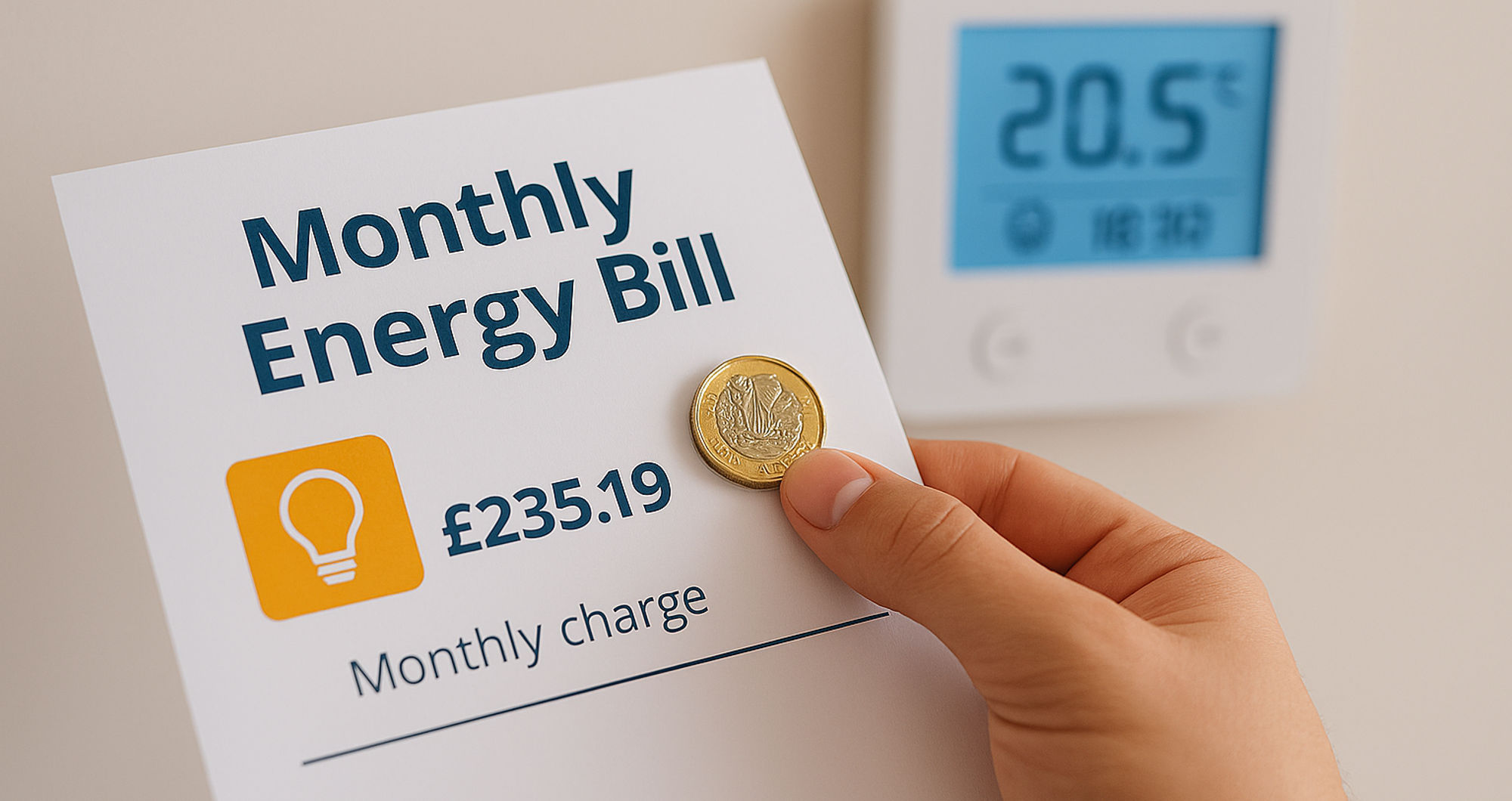

Across the UK, millions of households have opened their energy bills this autumn to find an unexpected increase in their monthly direct debit — even when their accounts were showing credit. It’s a familiar frustration, one that often sparks confusion about how suppliers calculate payments and whether customers have any real control.
The energy regulator, Ofgem, has said suppliers must ensure direct debits are set “fairly and based on realistic consumption,” but recent complaints suggest that transparency is still lacking. Many consumers are now asking whether these changes are a necessary precaution or an unnecessary burden in the cost-of-living crisis.
“Suppliers often argue they’re protecting households from winter debt, but customers deserve to see the numbers behind those decisions,” said Andrea Troy, spokesperson for Free Price Compare.
“Most people understand that usage increases in colder months — what they don’t understand is why their credit balance doesn’t seem to count.”
The Seasonal Billing Puzzle
Direct debit plans are designed to smooth out energy payments over the year, spreading the higher costs of winter across twelve months. In theory, that means customers pay a consistent amount rather than facing a sudden spike when temperatures drop.
In practice, suppliers estimate consumption based on historical data and predicted weather trends. When wholesale energy prices rise or cold weather looms, those algorithms often recommend an early payment increase — even for accounts in credit.
Consumer groups say this can feel unfair, particularly when customers have already built up a surplus. Ofgem’s rules require suppliers to explain any changes and provide evidence if a household challenges the amount. Yet many people find these explanations vague or hard to verify.
Troy explained:
“The system is meant to help households budget, but it only works if people can see how their payments are calculated. Greater transparency builds trust, especially after the volatility we’ve seen in recent years.”
Algorithms and Assumptions
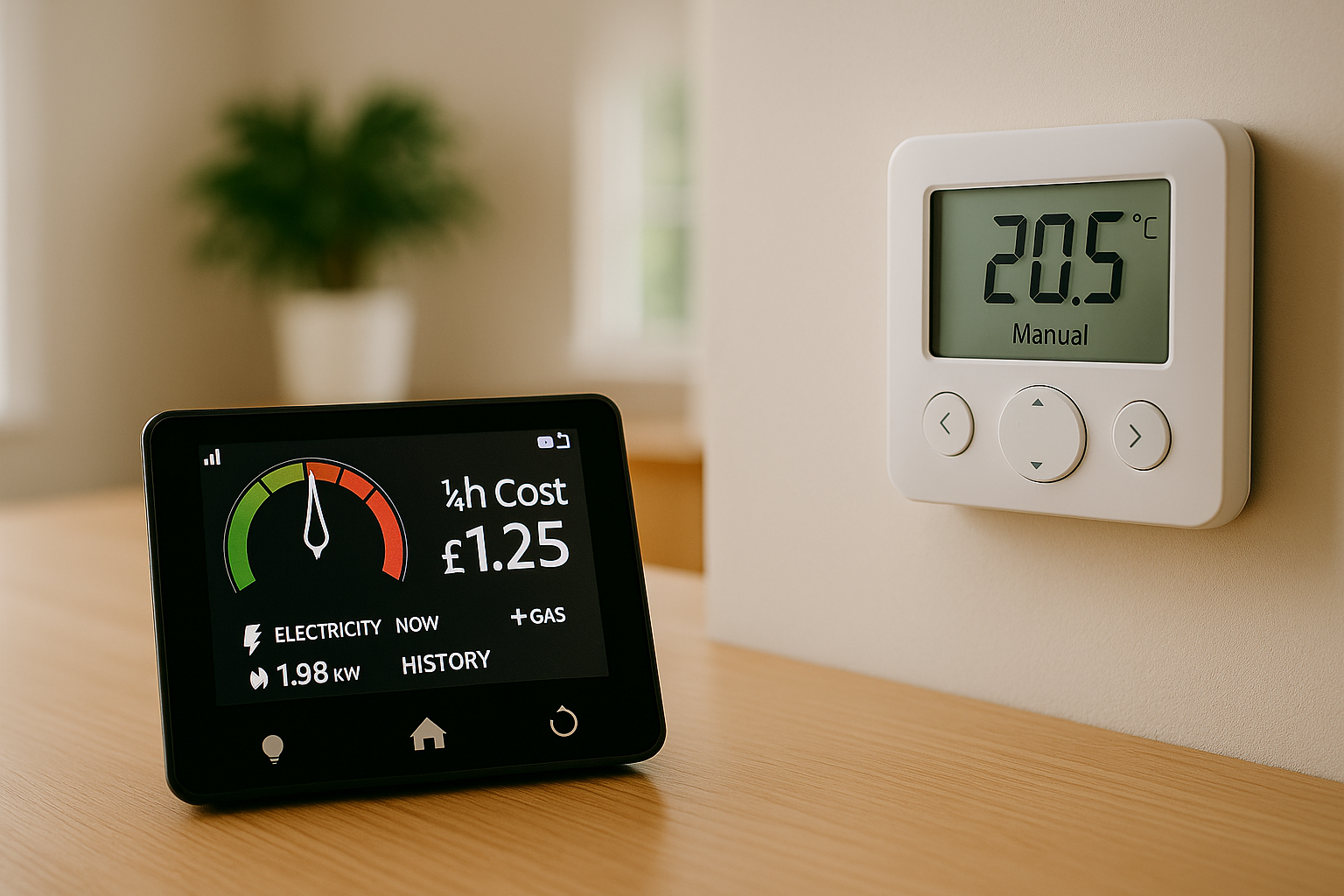
Modern billing systems use automated forecasting to predict usage and price movements. But even small miscalculations can add up across millions of customers. If a supplier overestimates expected consumption or fails to factor in recent energy-saving behaviour, it can result in inflated direct debit requests.
For households trying to make sense of these figures, an energy direct debit calculator can help approximate fair payment levels based on actual readings rather than supplier estimates. These tools allow users to compare their current debit amount with what they’re likely to owe, offering an independent check against overcharging.
Dual Fuel Decisions
Households with both gas and electricity accounts face added complexity. Many use combined payment plans, known as dual fuel energy tariffs, which can make it harder to tell whether an increase relates to electricity, gas, or both.
Dual fuel deals can still provide convenience and potential savings, but the key lies in comparing like-for-like usage. Reviewing tariff unit rates, standing charges, and contract terms each year ensures customers stay on a plan that fits their actual needs.
Troy added:
“The market has stabilised since the energy crisis, but that doesn’t mean prices are simple. Consumers still need to review their options regularly, particularly as new fixed and green tariffs emerge.”
What Customers Can Do
Energy experts suggest a few simple steps for anyone concerned about sudden direct debit changes:
- Submit meter readings regularly to prevent estimated billing errors.
- Check your credit balance and request a refund or adjustment if it exceeds one month’s average payment.
- Review your tariff type — for instance, whether you’re on a fixed, variable, or flexible plan.
- Use independent comparison platforms to ensure your deal remains competitive.
Platforms such as Free Price Compare allow users to assess supplier performance and compare different billing structures. By reviewing live offers and service reviews, households can identify fairer alternatives without guesswork.
Rebuilding Confidence Through Clarity
Industry analysts believe that improving billing transparency could help repair trust between consumers and energy suppliers. After years of market instability, the ability to clearly explain how direct debits are calculated may be as important as offering competitive prices.
A rise in proactive switching also suggests that customers are regaining confidence. Those who compare energy suppliers regularly are more likely to understand how credit balances interact with future forecasts — and less likely to face unpleasant surprises when payments change.
Troy concluded:
“Energy companies need to show their workings, not just send a new figure. Customers aren’t asking for miracles — just clarity and fairness.”
As colder weather sets in, that balance between financial prudence and consumer trust will once again define the state of the UK’s energy market.







